Europe and the challenge of holding its diverse communities together
Celebrating Europe Day…
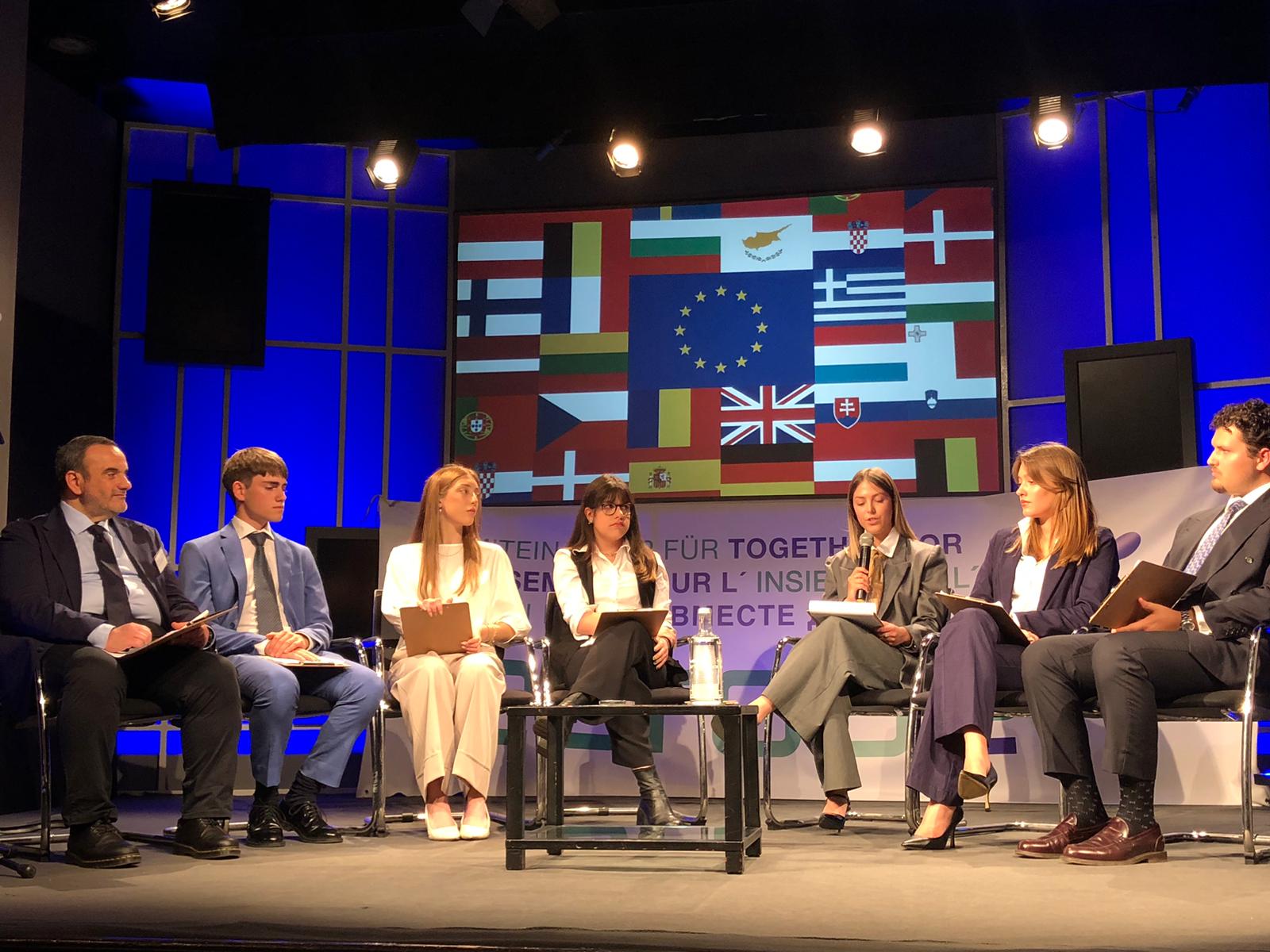
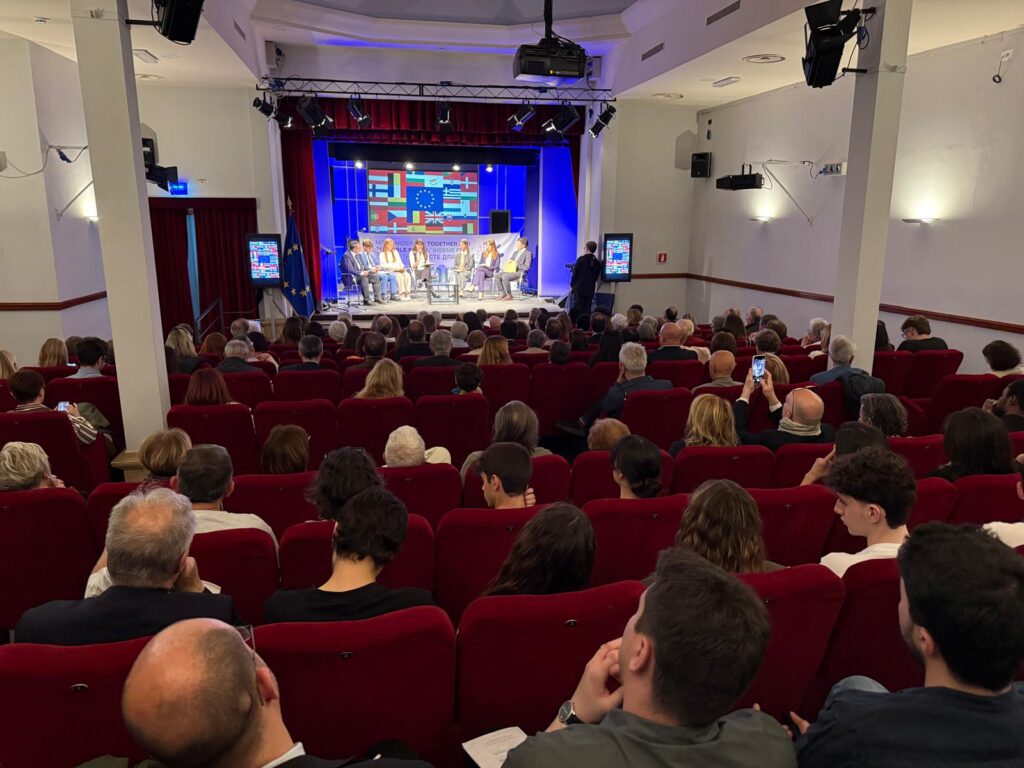
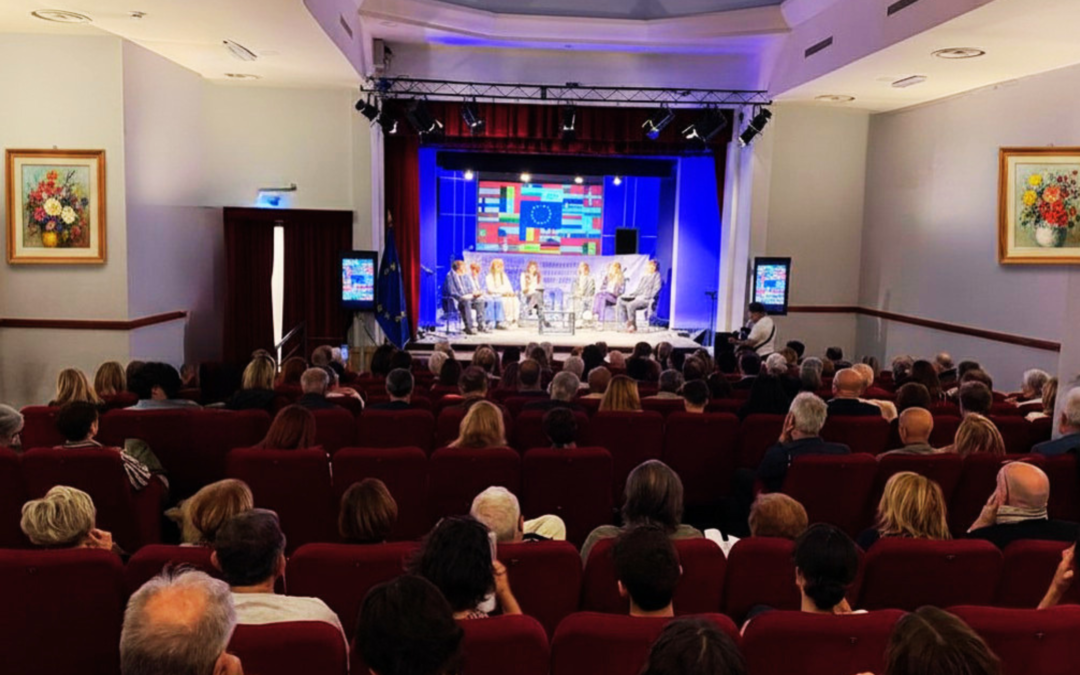
by reflecting on the identity of the European Union and the practical meaning of developing European citizenship. This is the proposal put forward by the ecumenical network Together for Europe, which on Saturday 9 May organised the event ‘A Light for Europe in a Global Twilight’ at the Teatro Rossini, the very venue from which Don Luigi Sturzo launched his ‘Appeal to the Free and Strong’ in 1919. The participants included young people and representatives from the academic and political worlds, called upon to reflect together on the founding values of the EU in the current global context. A “twilight” characterised by conflicts and crises
Leading the discussion…
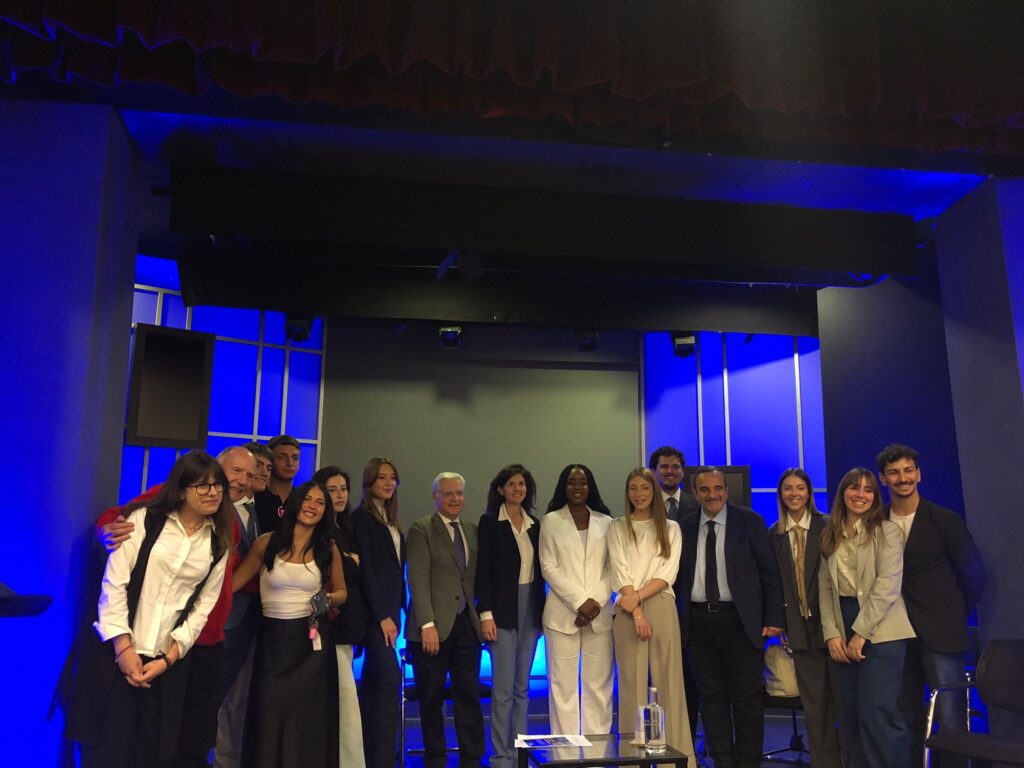
Amid live musical interludes, six young people from the group Ut Omnes – founded by a group of students from LUMSA University and now expanded to include students from other universities – who will be at the European Parliament in the coming days to meet with MEPs and sign an “Intergenerational Pact”. At the heart of the debate was the issue of European citizenship, not limited solely to the institutional dimension. After all, as the young Mattia Federici emphasised in his speech, over the past few decades the EU has built ‘an extraordinary legacy’ in economic, legal and institutional terms, without, however, managing to fully instil in its citizens a genuine sense of shared belonging. European citizenship, he observed, ‘exists only in the treaties and in voting rights’
Hence the proposal to…
revitalising the European project through a new narrative, by investing in civic education and greater citizen participation in decision-making processes. But this, as Alessandra Arcidiacono – another of the young people taking part in the debate – pointed out, is not enough: ‘Citizenship is made up of laws, cultures, languages and traditions, but it is the spirit that must hold it all together’. A spirit already present in the younger generations: “Young people are already living Europe even before they can define it,” she observed. “For them, Europe is not a destination but a starting point.”
Offering a geopolitical interpretation of the current historical moment…
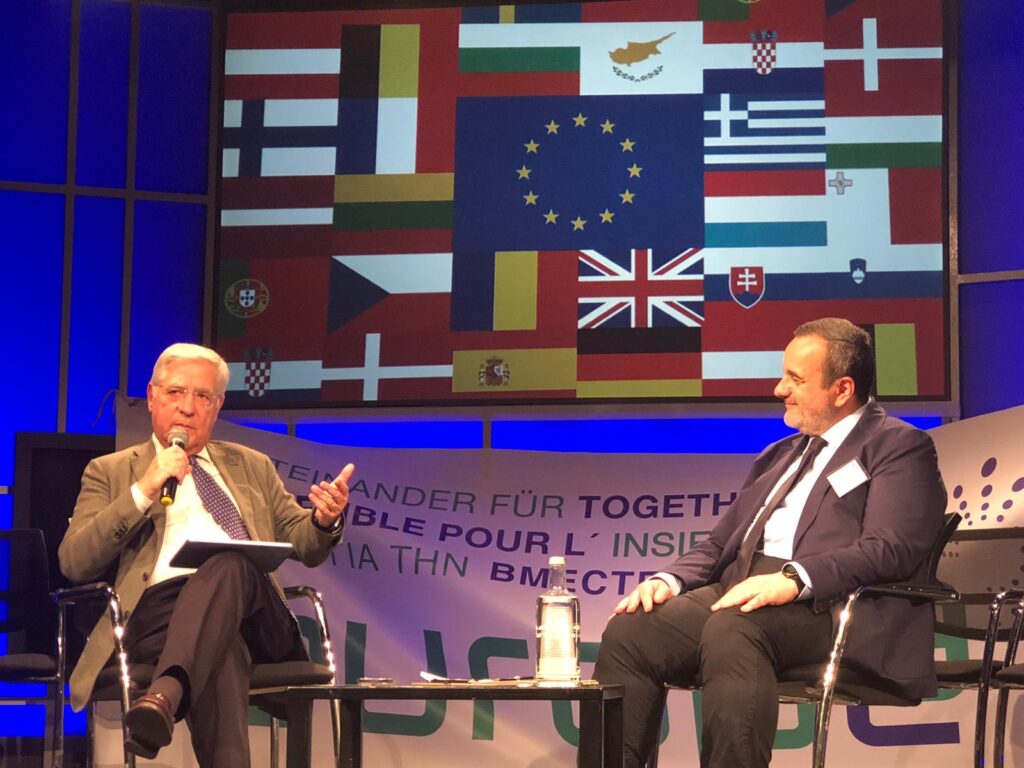
It was Pasquale Ferrara, ambassador and former political director at the Ministry of Foreign Affairs, who urged those present to rediscover Europe’s original vocation as a space for dialogue and coexistence. Starting with a critique of any ‘closed’ conception of European identity, arguing that citizenship cannot be based solely on blood or descent, and citing the jurist Luigi Ferrajoli and his idea of a Constitution for the Earth, Ferrara emphasised the need for European citizenship to be situated within a broader perspective of universal citizenship. This is an achievable goal if we move beyond the image of ‘roots’ to embrace that of a ‘river’: an identity that changes, grows and transforms without losing continuity. A metaphor which, for the diplomat, aptly describes the nature of Europe, called upon to hold together its many diverse elements. After all, Europe ‘has taught the world that conflicts can be managed through the rule of law and political dialogue’. That is why, in a scenario marked by the resurgence of military force, the Old Continent should distinguish itself as a ‘gentle force’, capable of governing without succumbing to the logic of violence.
The long afternoon has come to an end…
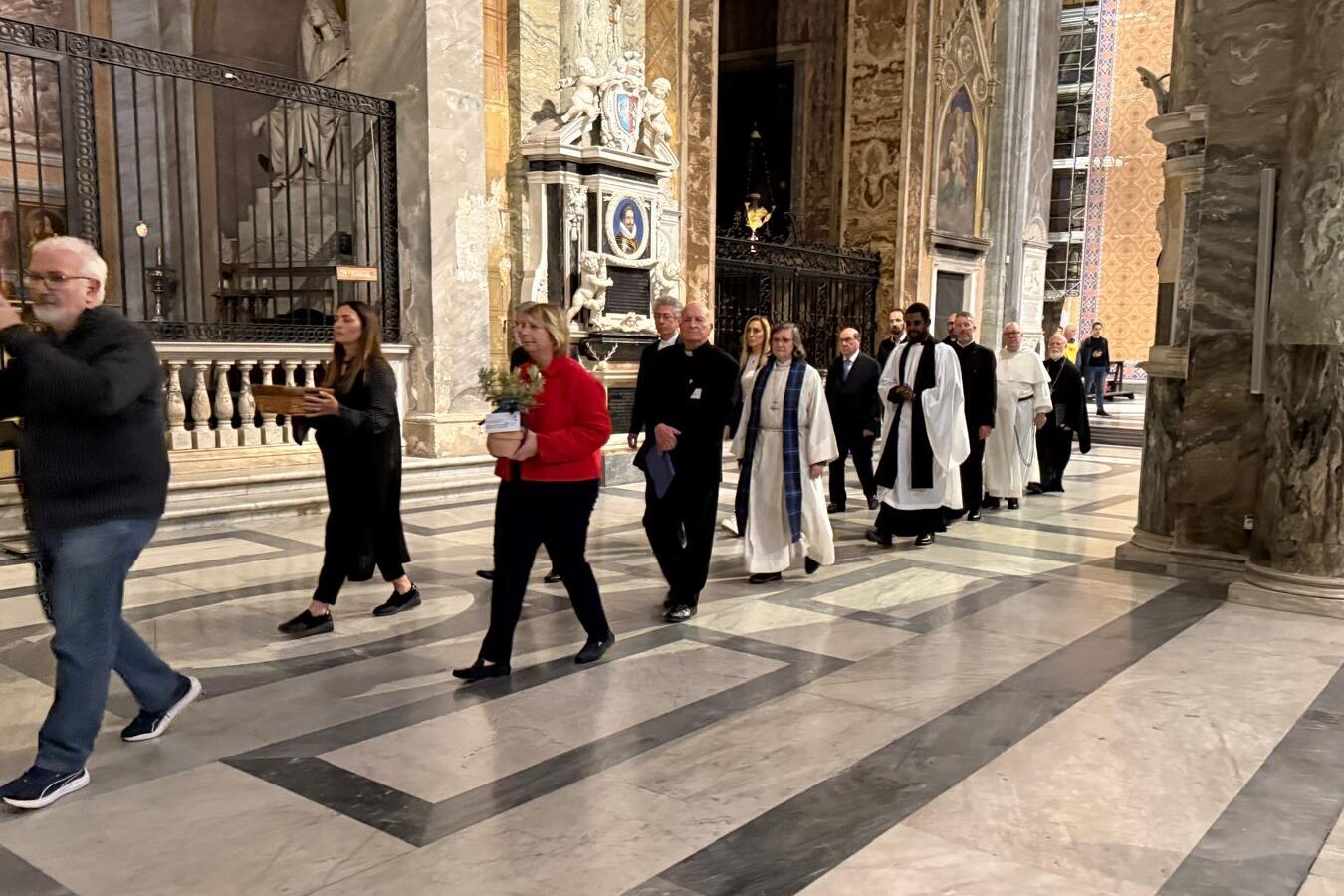
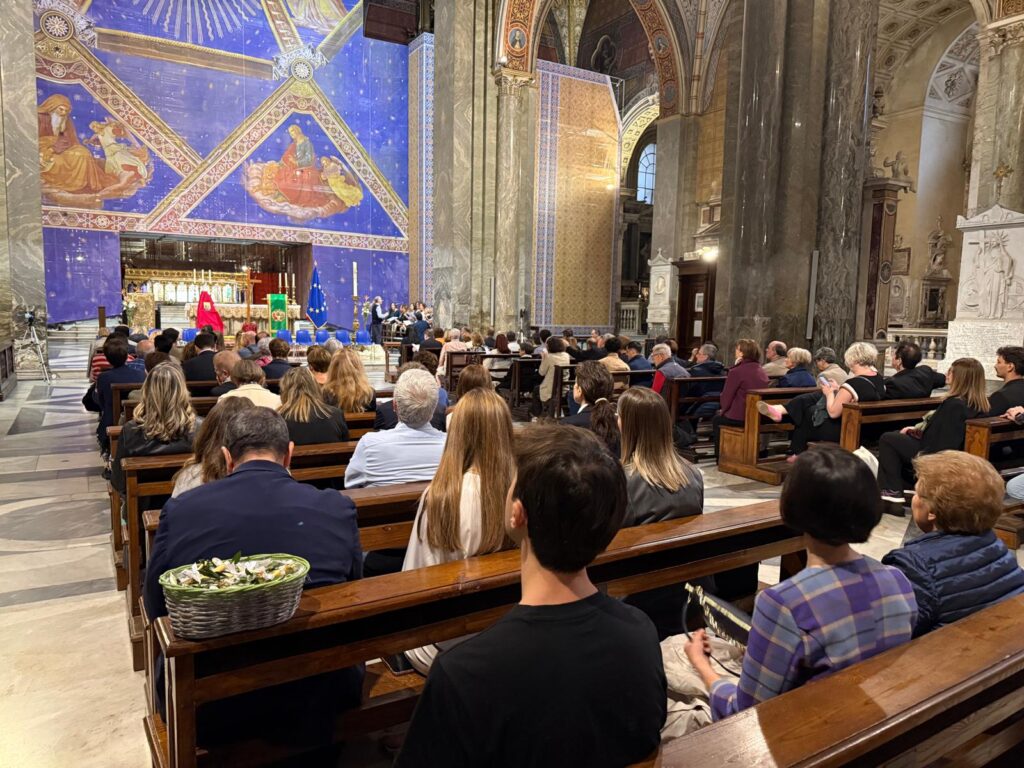
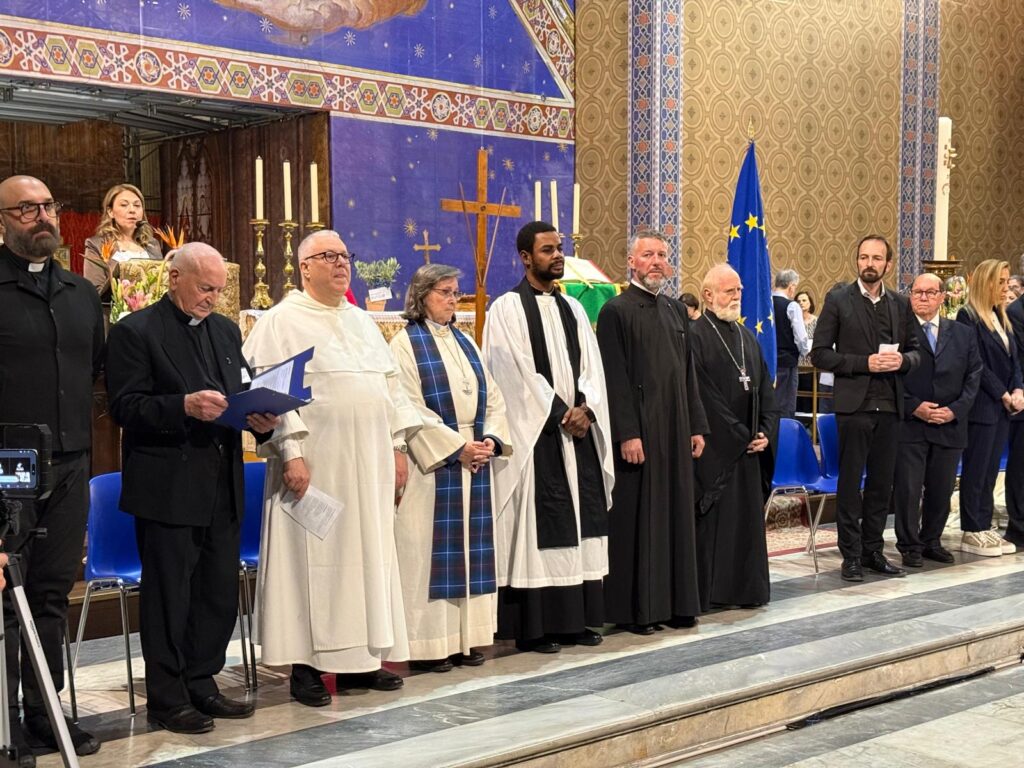
with an ecumenical prayer service in the Basilica of Santa Maria sopra Minerva, which began with opening remarks by Mons. Marco Gnavi, head of the Office for Ecumenism, Interreligious Dialogue and New Religious Movements of the Diocese of Rome, and featured prayers for peace led by Lutherans, Anglicans, Presbyterians, Evangelicals, Methodists, Orthodox and Catholic Christians.