by Together for Europe | 1 Oct 2026 | Experiences, reflections and interviews, Italy, Local Events, News
Europe: our choice
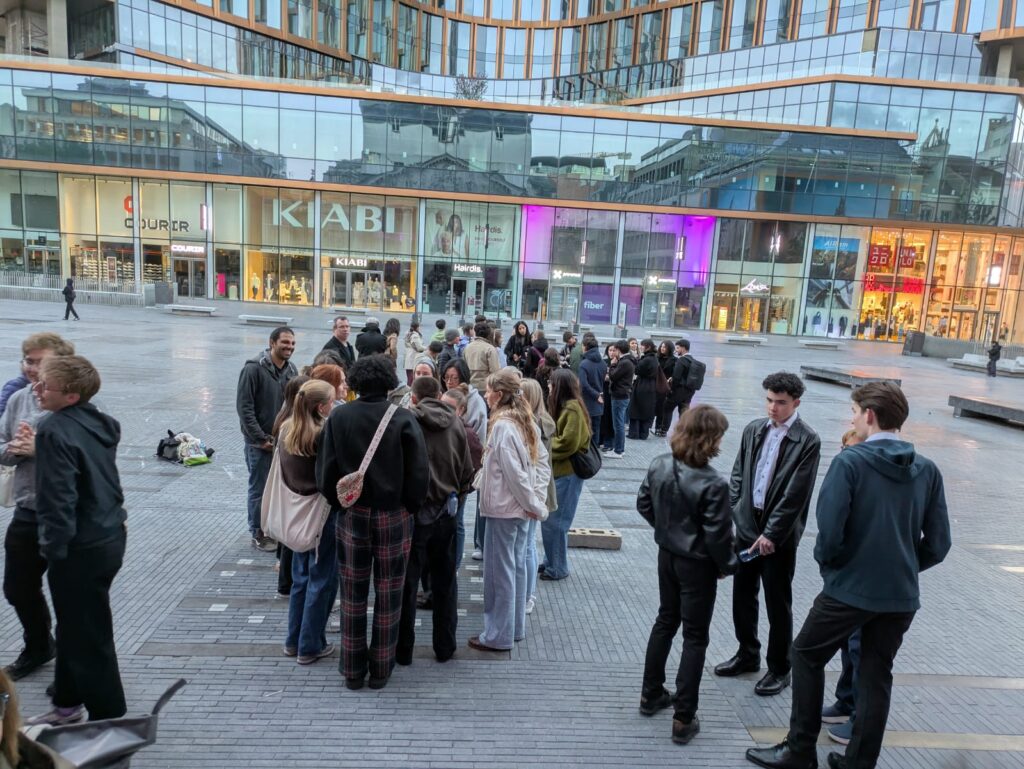
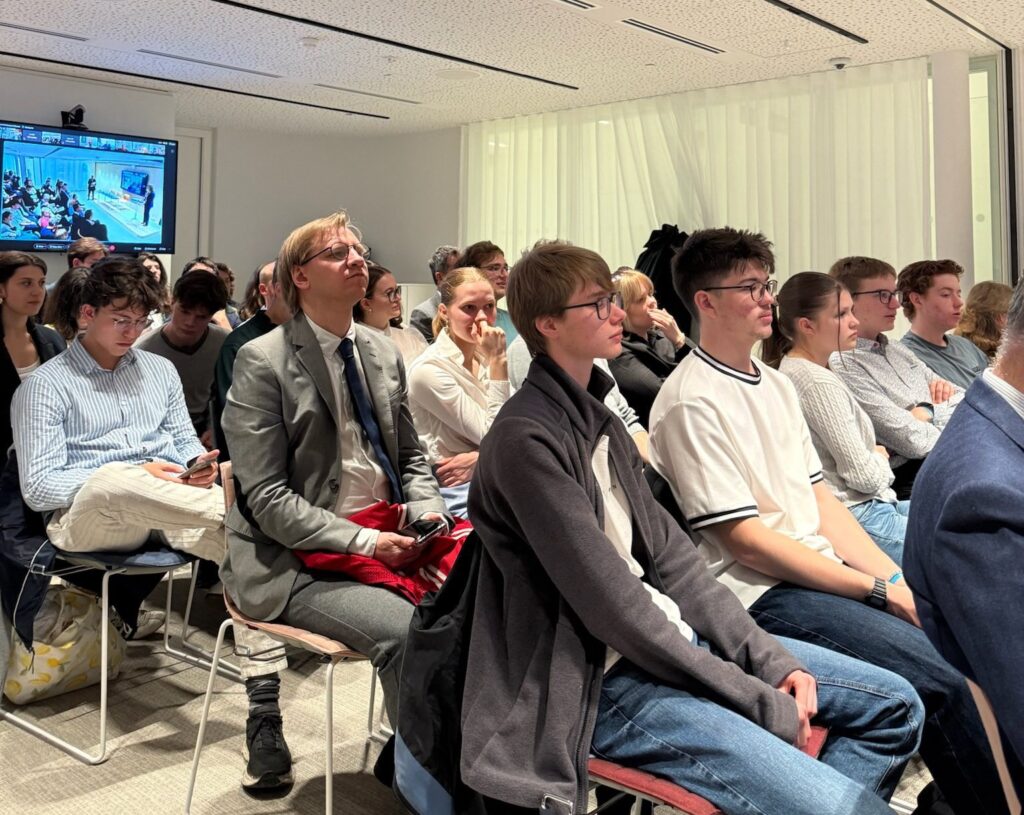
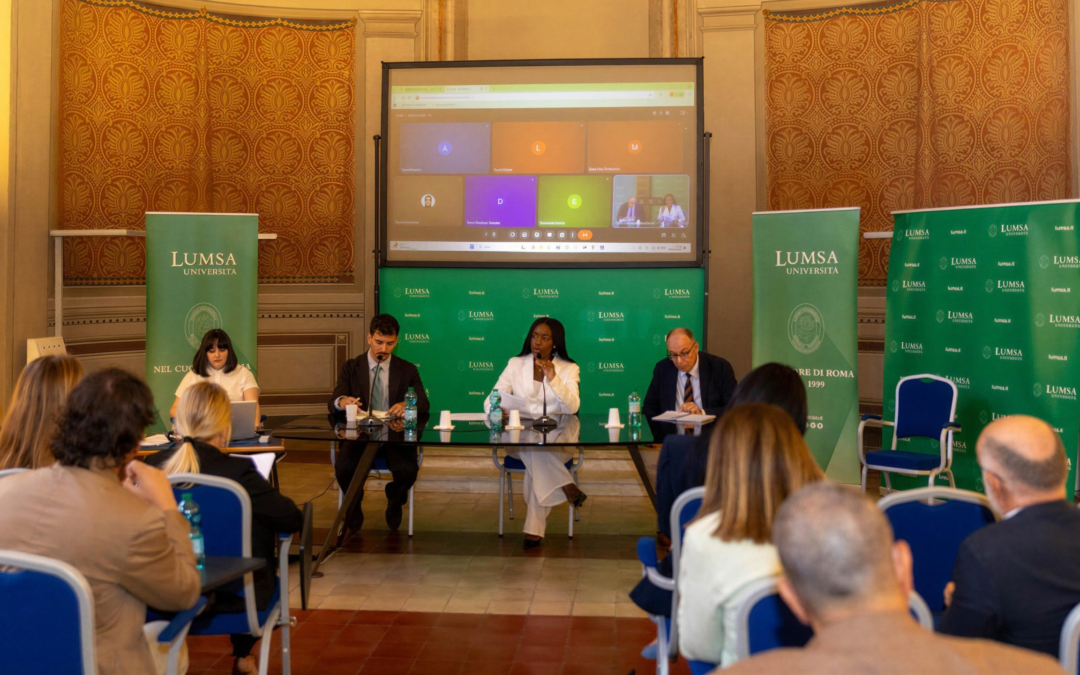
The Ut Omnes* group took part in the event ‘SOTEU 2026 – Europe: Our Choice’ at the Libera Università Maria Santissima Assunta (LUMSA) in Rome. The meeting, introduced by Professor Alberto Lo Presti, followed the broadcast of the speech by the President of the European Commission.
In her lengthy speech, she began by addressing the issue of the military defence of borders, opening with a quote from Charles Dickens: ‘It was the best of times, it was the worst of times’. This dichotomy captures the essence of today’s Europe: a Union that is strong in its achievements and potential, yet vulnerable in the face of external threats.
Distinguished guests
The SOTEU featured four symbolic figures: Canadian Prime Minister Mark Carney; the family of Danish pilot Rune Kyndal, who died whilst fighting wildfires in Europe; Sasha Paskal, a very young Ukrainian gymnast maimed by a Russian missile and a symbol of resilience; and the founders of a tech start-up, Rafa from Poland and Pekka from Finland, who are leading experts on artificial intelligence.
The President surprised the audience by making a historic proposal for Canada to become the first ‘associate member’ of the European Union, an initiative that draws on the ecumenical values of collaboration championed by Ut Omnes and the Together for Europe network. Another key issue was the safety of children online, with reference to the 14-year-old Belgian girl Oléa, a victim of cyberbullying. To tackle such tragedies, the EU Kids Act was announced – a package of laws designed to protect children online.
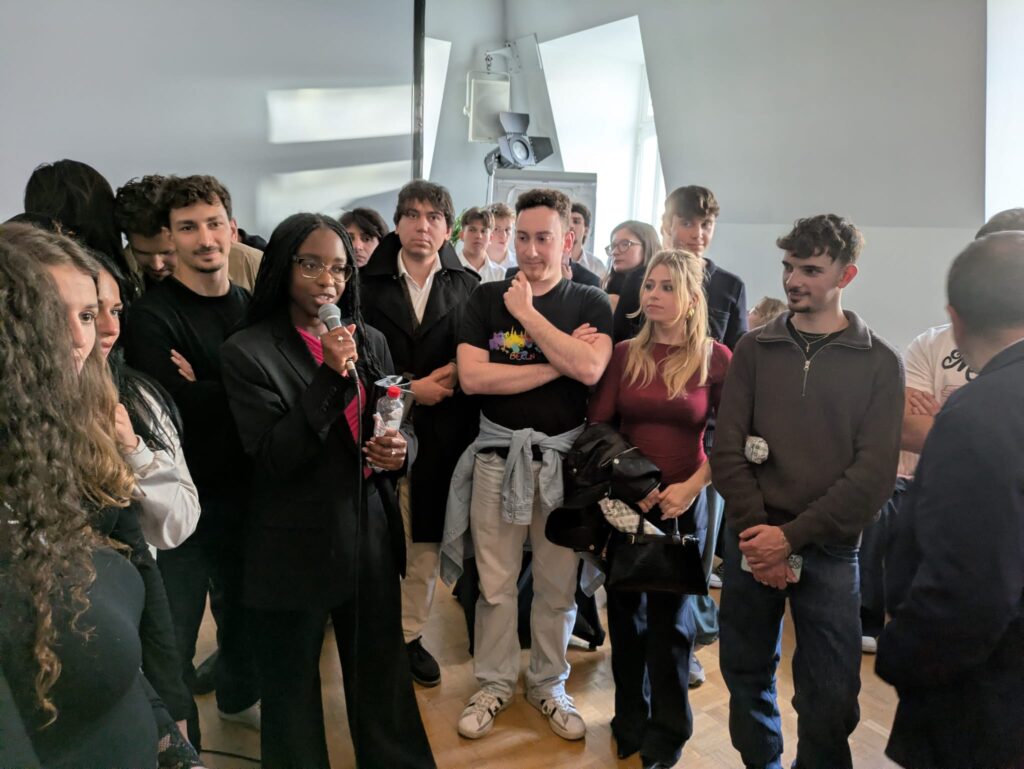
The members of Ut Omnes then opened the debate. Italian MEP Marco Tarquinio (S&D), who was unable to attend as he was in Strasbourg, sent a video message focusing on immigration and borders. On the subject of solidarity, Ut Omnes quoted St Paul (‘If anyone does not want to work, let them not eat either’), to emphasise everyone’s duty to contribute to society.
Homeland of Homelands
The debate highlighted how external forces are attempting to divide the Union by fuelling nationalism, which weakens peoples rather than protecting them. Europe is described as a ‘homeland of homelands’, a symbol that is both strong and fragile. Defending the Union and the sense of freedom is a global challenge that concerns every citizen, regardless of age or gender
From an (adapted) text by Livio Tetamo Zamparini, a young member of the Ut Omnes group
*Ut Omnes is a group of young people who are committed to European unity and who work within the Together for Europe network
by Liz Taite e Alberto Lo Presti | 24 Jul 2026 | Experiences, reflections and interviews, Italy, Local Events, News
The Pact
Tonadico is also known as the ‘City of the Pact’, because it was there, on 16 July 1949, that the Focolare Movement took shape. Chiara Lubich and Igino Giordani made a spiritual pact, one in which they resolved to live mutual love to the point of entrusting the future of the newly born Movement to Jesus in their midst (Mt 18:20). From that pact sprang many initiatives that have spread throughout the world, one of them being Together for Europe.
Together for Europe
It was through meeting other leading figures from European Christian communities and associations that, in 1999, Chiara Lubich was inspired to launch Together for Europe. Among these leaders was Gerhard Pross (YMCA, Esslingen, Germany), who was the moderator of the TfE network in the years that followed.
The Award
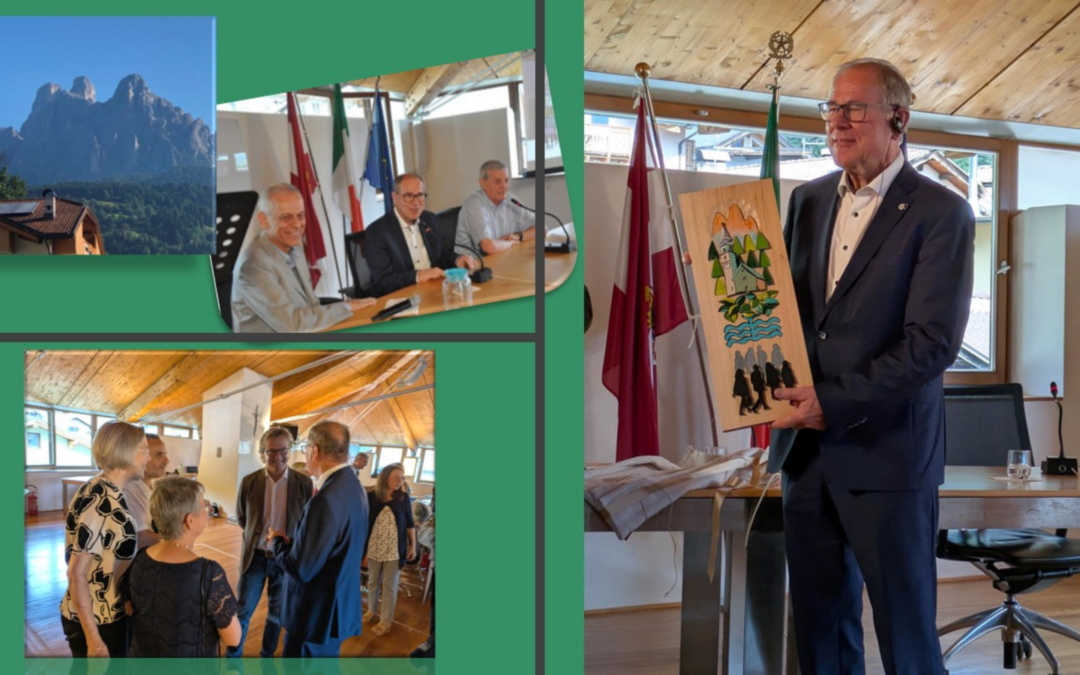
On 16 July, during the ‘Tonadico – City of the Pact’ event, Gerhard Pross was presented with an award by the same name for his invaluable and tireless work in giving witness – together with others – to unity amongst Christians in the service of the common good. The atmosphere of the event was festive, enriched by several intellectual and artistic contributions. It included an interview with Gerard, during which he looked back on some key stages of his spiritual journey and on the significant milestones of TfE.
Alberto Lo Presti, Liz Taite
You can watch the full event on the focolaritalia YouTube channel: www.youtube.com/watch?v=AvWSaiyTbwo
by Together for Europe | 18 Jun 2026 | Experiences, reflections and interviews, Local Events, News
“I am praying that we can extend the spirit of dialogue we experienced in Brussels to the whole world.” With these words, Luca, from Romania, speaks of that “something special, something great” which touched the hearts of those who took part in the Together for Europe events in Brussels from 11 to 13 May 2026.
We are compiling and making available various materials from the eventful days in Brussels, of which the morning at the European Parliament was just a part.
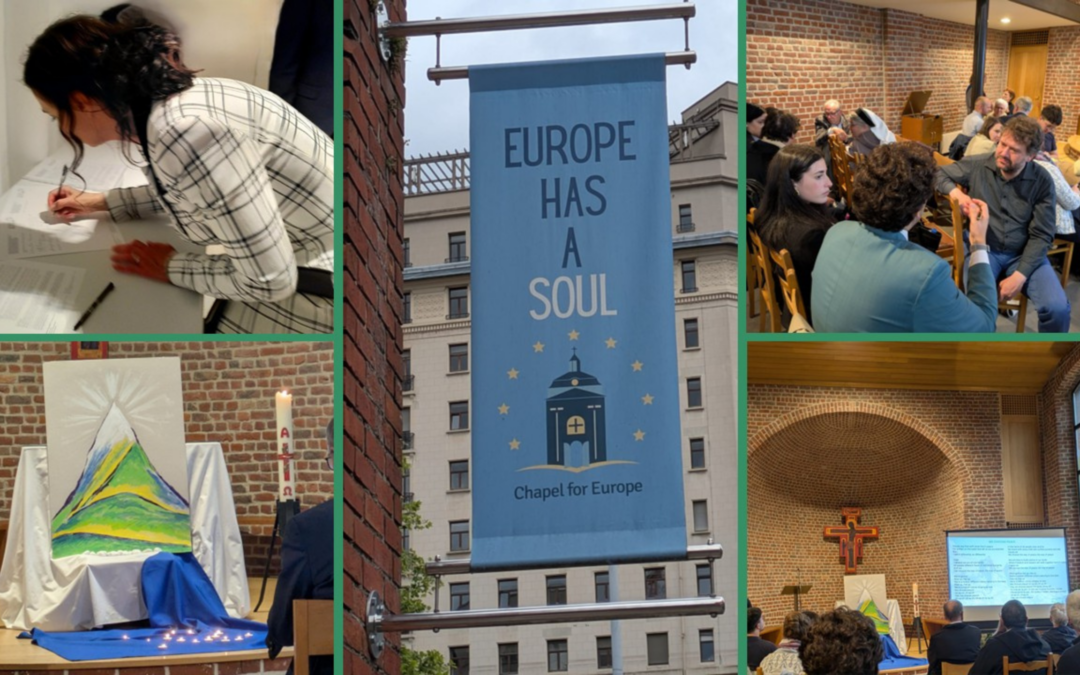
The day before, there was a packed afternoon programme of workshops, concluding with an ecumenical service at the Chapel of Europe, outside which the words “Europe has a Soul” are proclaimed.
The service was coordinated by the local Together for Europe group and opened with the song “We Choose Peace”. These were days in which peace was actively chosen and built.
As people were saying their goodbyes, some were repeating the phrase, “The Europe of tomorrow has already started to take shape. And it has the face of these young people.”
Materials
The links below lead to:
We will soon revisit this topic and publish additional contributions delivered during the meeting at the European Parliament.
by Alberto Lo Presti | 22 May 2026 | Experiences, reflections and interviews, Local Events, News
Young people from Together for Europe are livening up Brussels with their enthusiasm
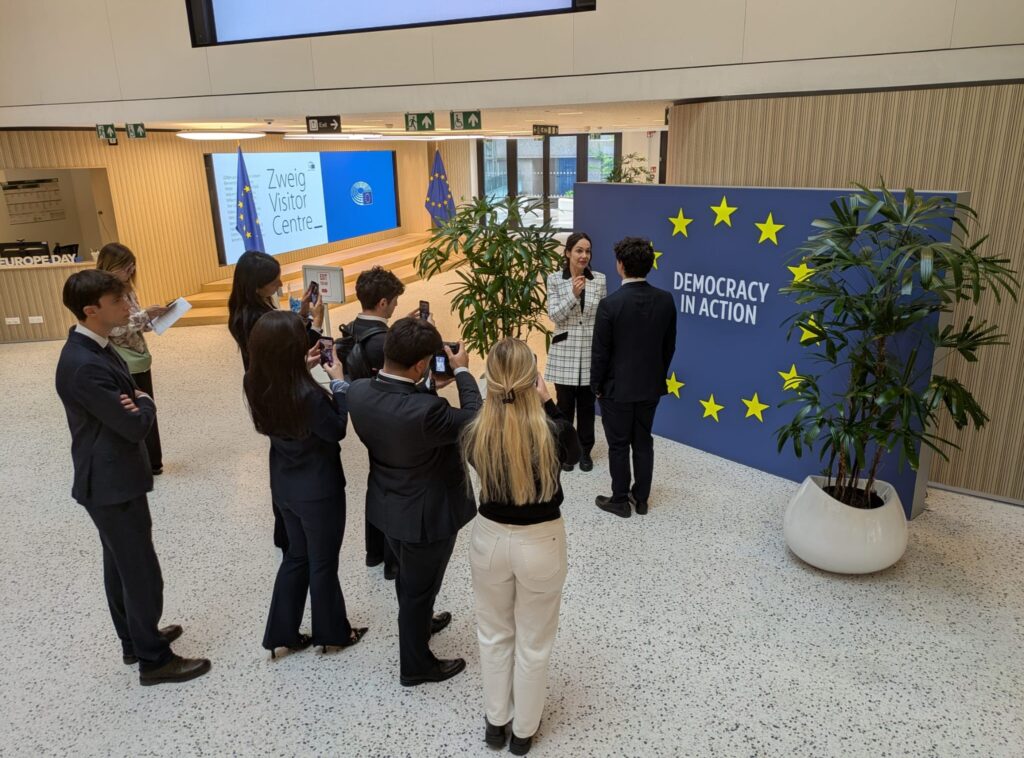
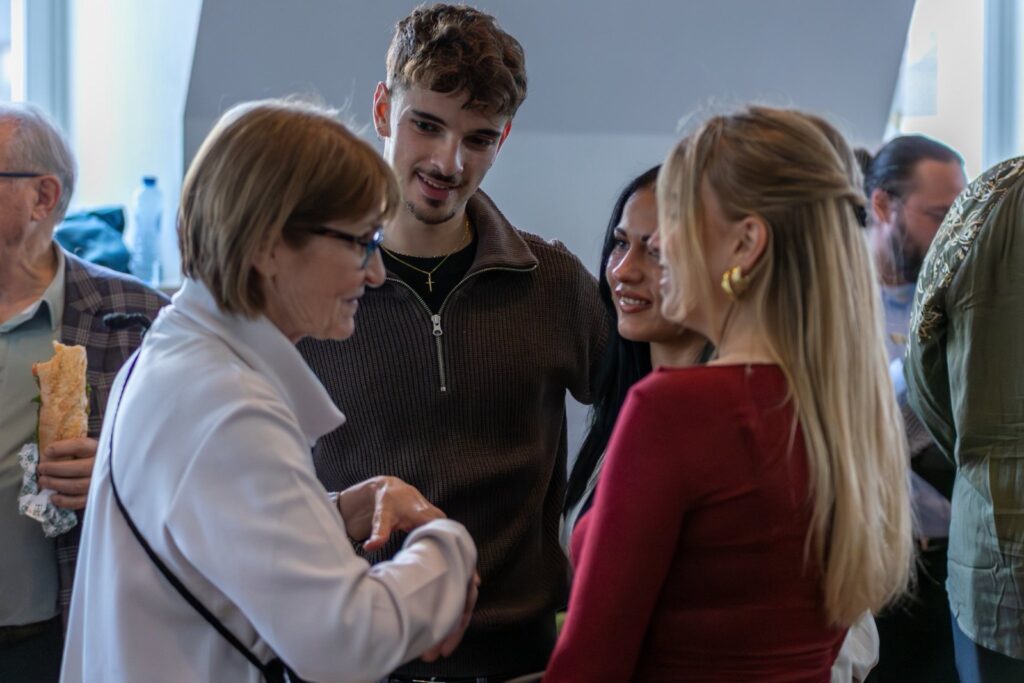
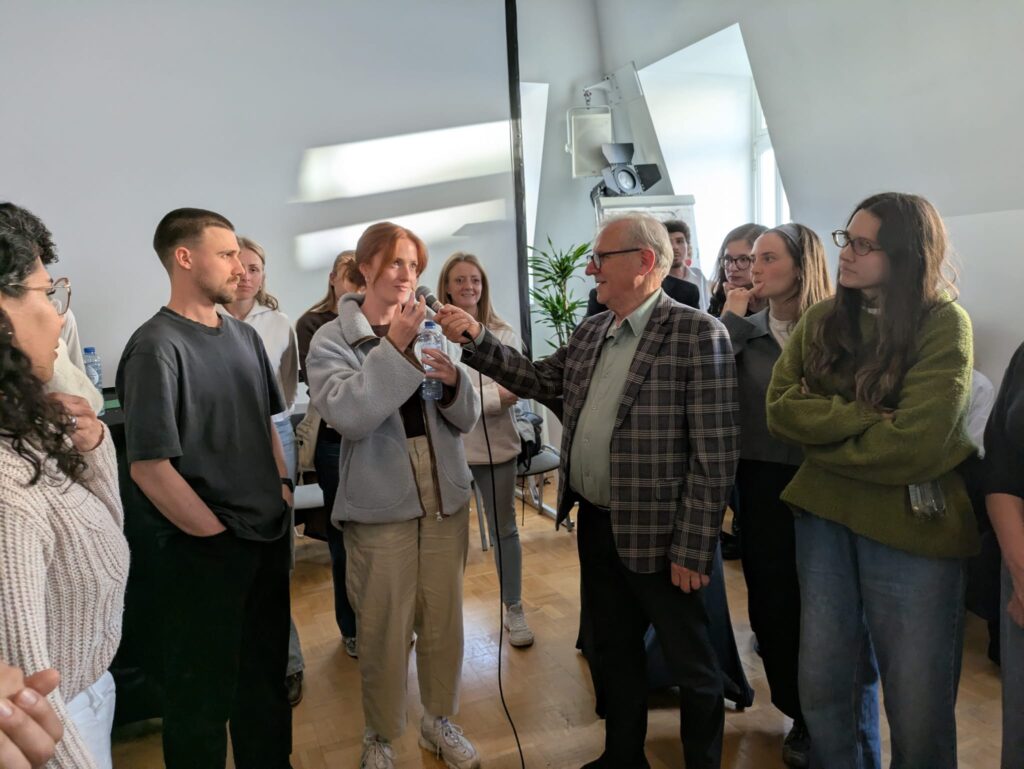
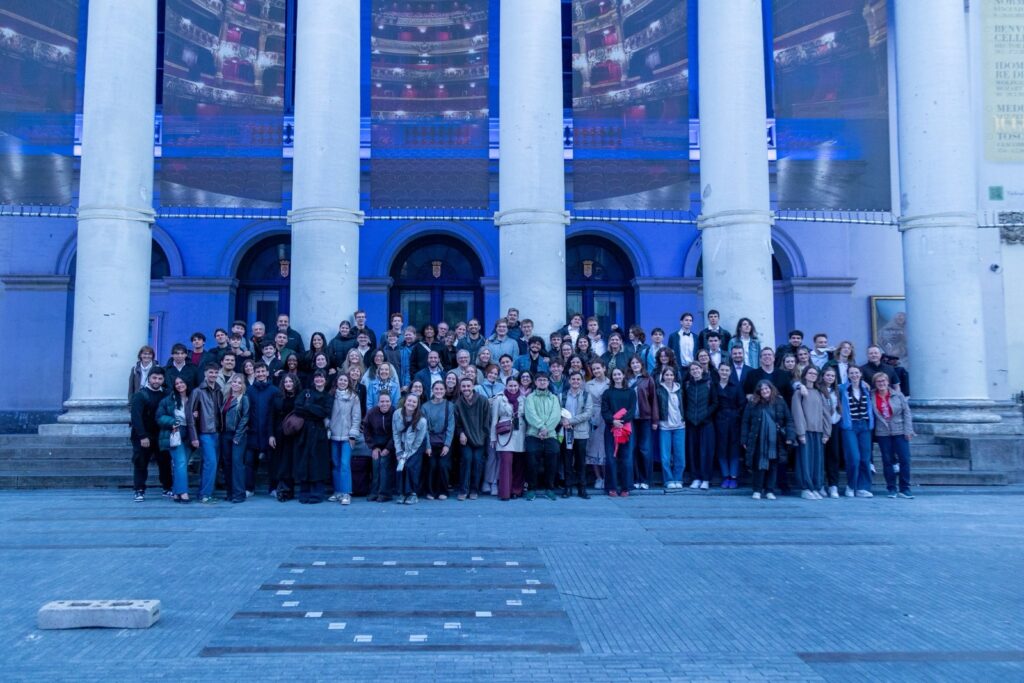
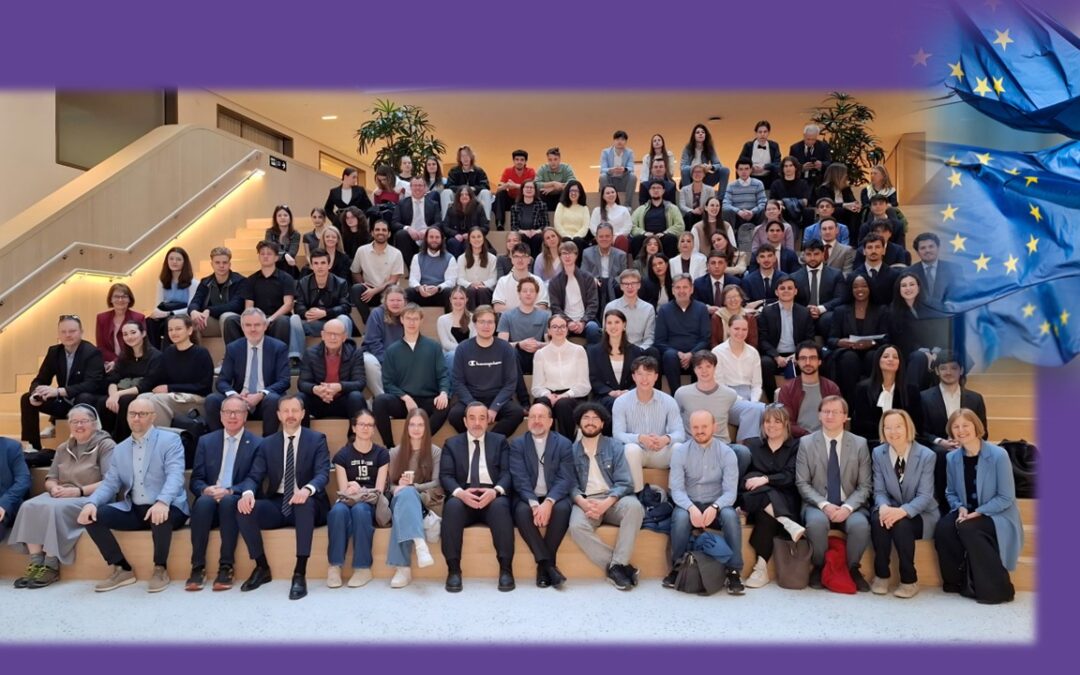
The European Quarter in Brussels is a maze of offices, headquarters and agencies operating within the European Union, whose acronyms sometimes sound like tongue-twisters. Serious-looking, professional officials and executives wander along its streets. As you walk through them, you hear different languages being spoken and encounter unusual customs. Yet, this variety does not give the impression of confusion, because the whole scene is underpinned by a great sense of composure. This sleepy routine was briefly disrupted between 11 and 13 May, when a group of around 100 enthusiastic young people made their way through the institutions of the European Union, bringing with them commitment and passion. They weren’t on a school trip, far from it! They were the young people of Together for Europe, well-prepared and inspired, who see Europe not as a goal to be achieved, but as their secure starting point from which to look out onto the whole world.
Dialogue in times of crisis
Joining them were a number of MEPs and other public figures: Andrea Wechsler, Antonella Sberna, Leoluca Orlando, Eduard Heger, Jeff Fountain, Giuseppe Lupo, Miriam Lexmann, Gerhard Pross, Nicole Grochowina… These are illustrious names: should we mention the countries they came from? Perhaps there is no need: they were Europeans. Adding that they were Italians, Slovaks, Germans, Dutch, Austrians… does little to help us understand the reasons that led all these people to meet with the young people. These reasons stem from the current crisis, in which there seems to be no room for unity among peoples and nations. No one can even guarantee peace anymore.
Unity rather than divisions and conflicts
Against this backdrop, Together for Europe has sought to demonstrate that unity is not merely an option, but rather the very fabric of the historical evolution of the European peoples. And if today this fabric seems buried beneath the rubble of ongoing conflicts, Together for Europe has set itself the task of bringing it back to light, offering its own experience of collaboration among Christians as a way to rebuild the European edifice on the foundations of unity. All together: members of different Churches, citizens of different countries and, above all, people of different generations. Young people, adults and the elderly inhabit this heart-wrenching present, and only by coming together can they resolve its contradictions.
Intergenerational Pact for a Global and United Europe
The challenge, therefore, is also intergenerational. This is why the young people from Together for Europe wanted to present the MEPs and other dignitaries present with an Intergenerational Pact >>, setting out a mutual commitment to work towards a Europe that is a beacon of peace and solidarity. Where did the 100 young participants come from? In addition to Europeans (and here too, it matters little whether they were Austrian, Belgian, Finnish, Italian, Dutch, Romanian, Scottish, Slovak, Swedish, German or Hungarian…), there were Brazilians, Canadians, Chinese, Colombians, South Africans, Mexicans and Americans… For Europe does not exist in isolation, since its vocation is to extend its reach globally, offering its set of values forged in Christianity, lived out in ecumenical dialogue, and amplified by the inspiring projects of the young people of Together for Europe.
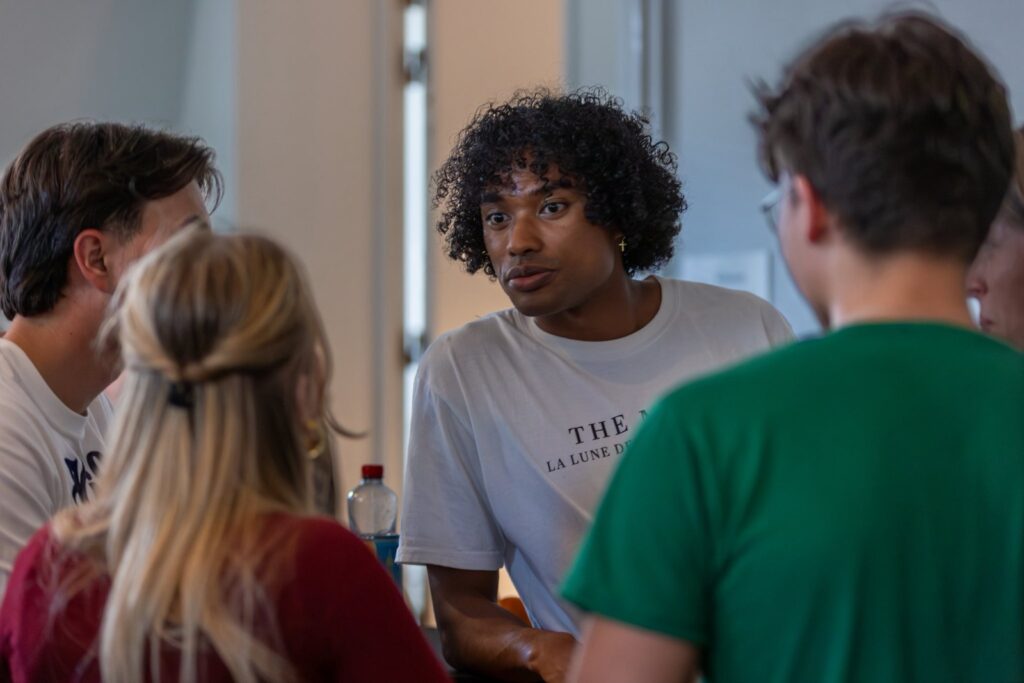
All photo: Young people from Together for Europe at the European Parliament, May 2026_©Together4Europe
by Beatriz Lauenroth | 24 Apr 2026 | Experiences, reflections and interviews, News
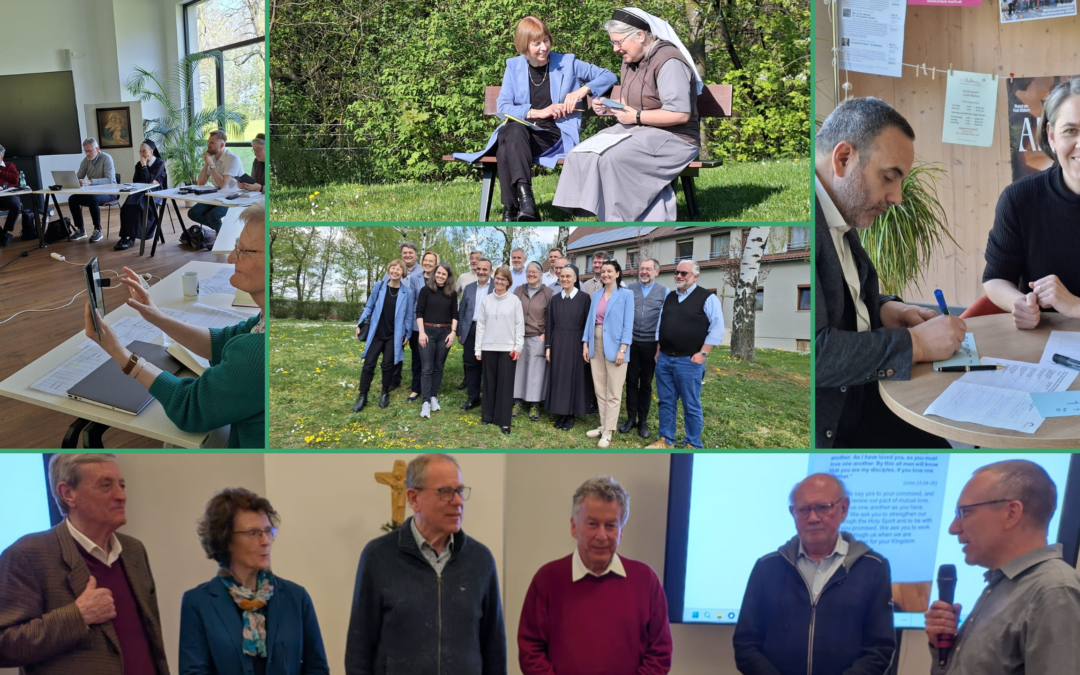
From 16 to 18 April 2026, the annual retreat of the Steering Committee was held at the Schoenstatt Centre on the Kahlenberg in Vienna. Twenty-six representatives from eight Christian movements spent several days listening and discerning, during a period marking a historic turning point in the life of the international coordination.
A generational change in the spirit of unity
The highlight of the meeting was the handover by some of the Committee’s long-standing members, who have dedicated themselves to supporting TfE’s journey for decades. Their moving farewell paved the way for a new chapter, built on a spirit of gratitude and trust.
Margaret Karram, President of the Focolare Movement, highlighted the value of this service; in a letter, she expressed her deep gratitude to the outgoing members for their contribution to shaping the network’s identity and journey.
The leadership of the network is being handed over to a new moderation group made up of three members, drawn from different Churches and movements. This is a tangible sign of continuity and openness to new horizons. In a European context marked by uncertainty, IpE reaffirms its mission: to bear witness that unity in diversity is a prophetic response to the challenges of our time.
Agenda and next steps
During the meeting, a number of future priorities were outlined, with particular emphasis on the role of the National Committees and the involvement of young people. Events already scheduled include:
11–13 May 2026 – To mark Europe Day, around 120 young people will present a “Pact between Generations” to the European Parliament, based on their experiences within TfE.
Annual meeting of the “Friends of Together for Europe” in Würzburg (Germany).
This journey therefore continues, in the knowledge that walking together, whilst making the most of each other’s gifts, remains the way to build a Europe that is more united, more supportive and open to the future.
Beatriz Lauenroth
Read also the release dated 18 April 2026 >>
Photo: K. Oberegelsbacher / L. Taite

by Klaus Henning | 12 Mar 2026 | Experiences, reflections and interviews, Local Events, News
Aachen – A symbol of European history
Aachen, a city with a deeply European soul, provided the ideal setting. During our visit to the cathedral and the historic centre, the layers of history became tangible: from the legacy of Charlemagne to the scars of the Second World War in the Euregio. In this historical setting, we felt like a “miniature Europe”: a lively diversity from South Limburg, Flanders, Wallonia, the German-speaking community of Belgium and the Rhineland. A special gift was the completely unexpected meeting with Fadi Krikor (Meeting of Leaders) and his wife Nicole right inside the cathedral.
Foundations of peace: Adenauer and de Gaulle
An impetus from Klaus Henning reminded us of the “axis of reconciliation” between France and Germany. The work of Konrad Adenauer and Charles de Gaulle, after eighty years of enmity and three devastating wars, laid the foundations for a peaceful Europe. This historic reconciliation remains a central pillar and a mandate for the future.
Unity in diversity: praise and intercession
Despite our different traditions and languages – French, Dutch and German – we were united by our clear focus on Jesus Christ. Our time of communal worship was deeply marked by this central theme. At the same time, we prayed for the suffering of the world, especially the people in the war zones of Iran, Israel and Ukraine. With our blessings and prayers, Jeff and Romkje Fontaine (Schuman Centre) left for Ukraine the very next day.
A day that gives hope
The warm hospitality at the Henning home created an atmosphere of mutual respect and brotherly love. The participants’ feedback speaks for itself: ‘It was a wonderful and profound experience of hope!’ Another voice summed up the experience as follows: ‘It gave me great inner joy to be together as a family. Let us continue to pray for one another and ask God for the grace that peace may return to the world. It was a day full of stars!’
by Klaus Henning
Photo: Klaus Henning