The goal is to bear witness to the unity among Christians in Europe in order to put it at the service of the development of European policies, moving towards reconciliation and peace. In an international context marked by wars, there is a need to draw on the heritage of Christian values to address the challenges of coexistence among the peoples of the Old Continent.
These values, these principles, are contained in the Christian soul of Europe: ‘Reviving Europe: A Soul for Reconciliation’ is the title of the meeting we will hold at the European Parliament on May 13, from 10 a.m. to 12 p.m. The program includes the exchange of experiences among young people, dialogue between representatives of political forces on the theme of international order, and exploration conducted by some experts on crucial issues for continental and global balances.
In the preceding days, on the 11th and 12th, guided tours of the European Union’s institutional venues and working sessions between young people and European policy experts are planned.
To adequately prepare for this event, Together for Europe has planned a series of four preliminary meetings, held via video call, attended by all those who will experience the event in Brussels. During these meetings, mutual acquaintance is encouraged, European citizenship is promoted starting from its cultural and institutional characteristics, and the role of Together for Europe in today’s world is examined.
On the occasion of the 75th anniversary of the Schuman Declaration, the city of Strasbourg organised a fair with entertainment for children and some 20 stands run by pro-European institutions and associations. All this was in the context of Europe Day.
The Committee of Together for Europe in Strasbourg decided to participate in the event.
First and foremost, this helped to strengthen the group, both in the preparation and management of the stand. In addition, it enabled interesting contacts and important discussions with the public. It was also an opportunity to forge links, in particular with other exhibitors at the fair. This broadened our dialogue with associations that are committed on a civil level to a more solidarity-based European project.
The event concluded with an ecumenical celebration at the Temple Neuf, a Lutheran church in the centre of Strasbourg. At a historic moment when war has returned to Europe’s doorstep and the European project seems threatened, Orthodox, Catholic, Evangelical and Anglican pastors and faithful gathered for a moment of prayer. It centred on the words of the Schuman Declaration and reiterated the common commitment to peace. A future of peace in Europe and in the world – so it was said – will depend on those who know that they are heirs to a strong history and are committed to living in fraternity. This is the best way to help realise Europe’s motto: ‘United in diversity’.
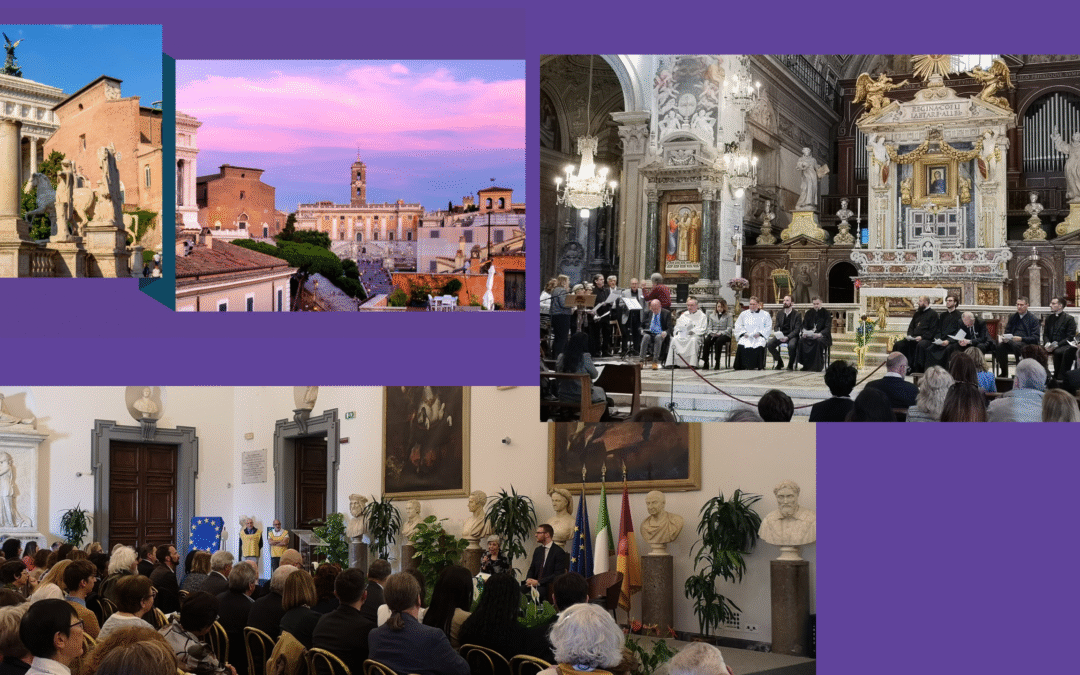
In the Protomoteca Hall: Memory – Today – Prophecy
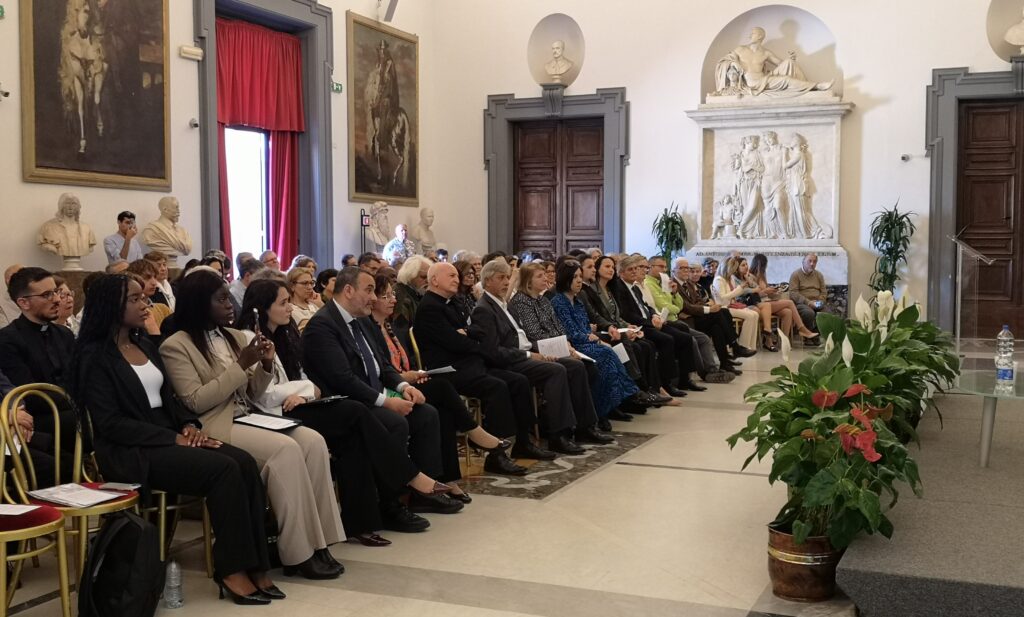
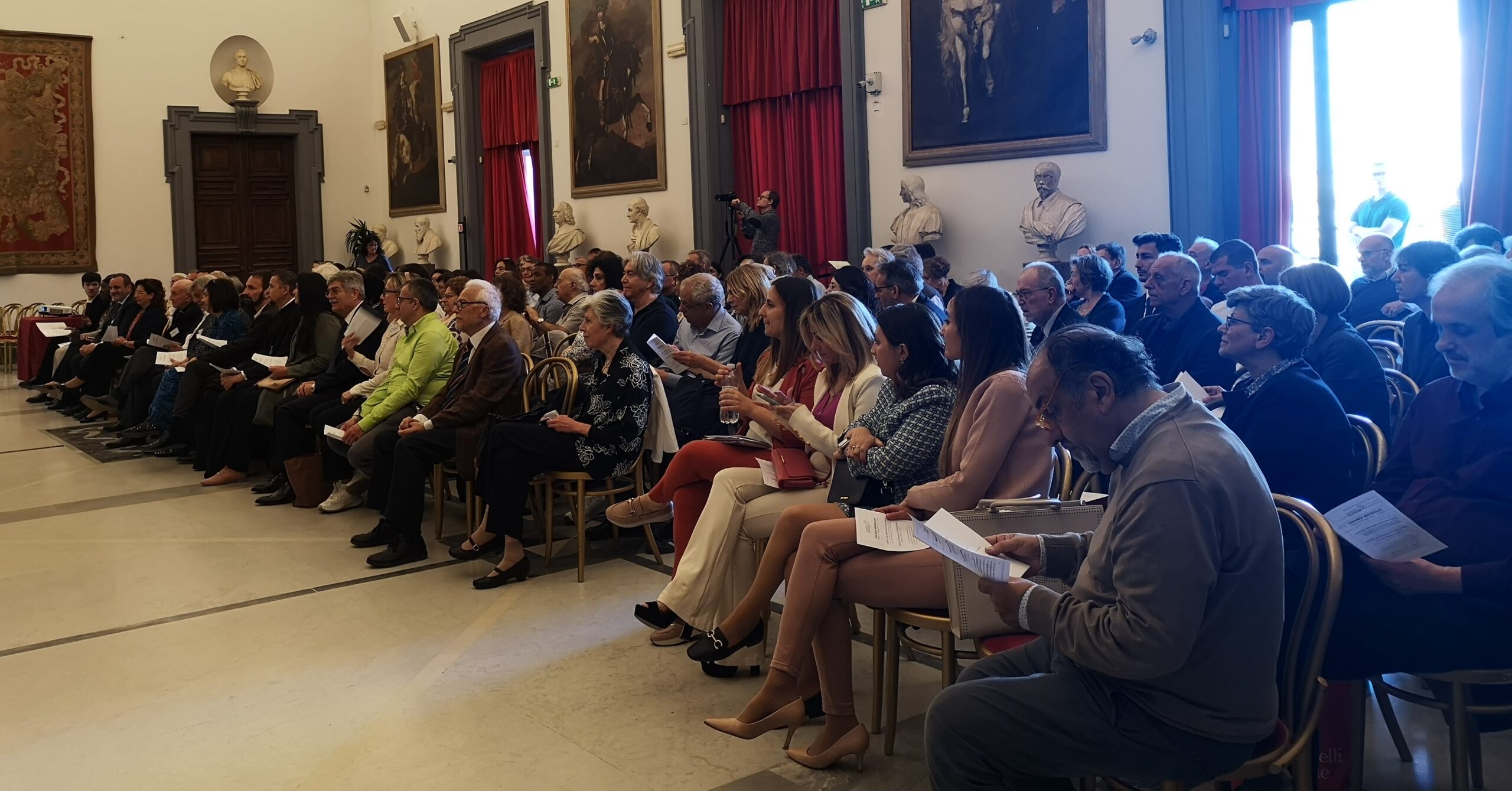
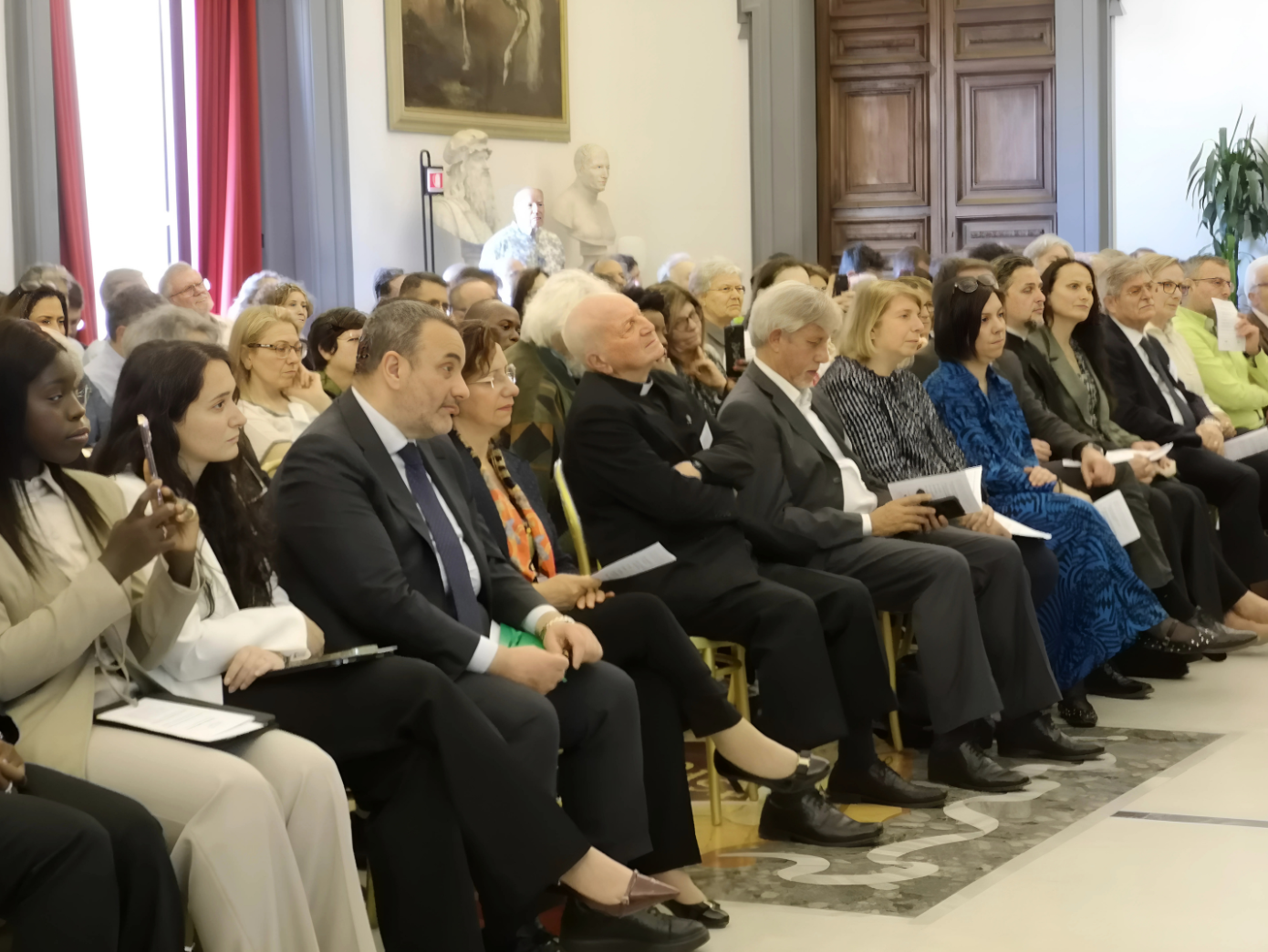
A Europe that remembers, that questions, that looks to the future and that prays: this is the vision that emerged at the event ‘Europe between memory and prophecy – 75 years after the Schuman Declaration’ promoted by Together for Europe that took place in the solemn setting of the Protomoteca Hall in the Capitol. The initiative, supported by the European Commission Representation in Italy and the Municipality of Rome, brought together scholars, young people, institutional representatives, representatives of the Orthodox, Anglican, Methodist, Waldensian and Catholic Church for an in-depth dialogue on the present and future of the continent.
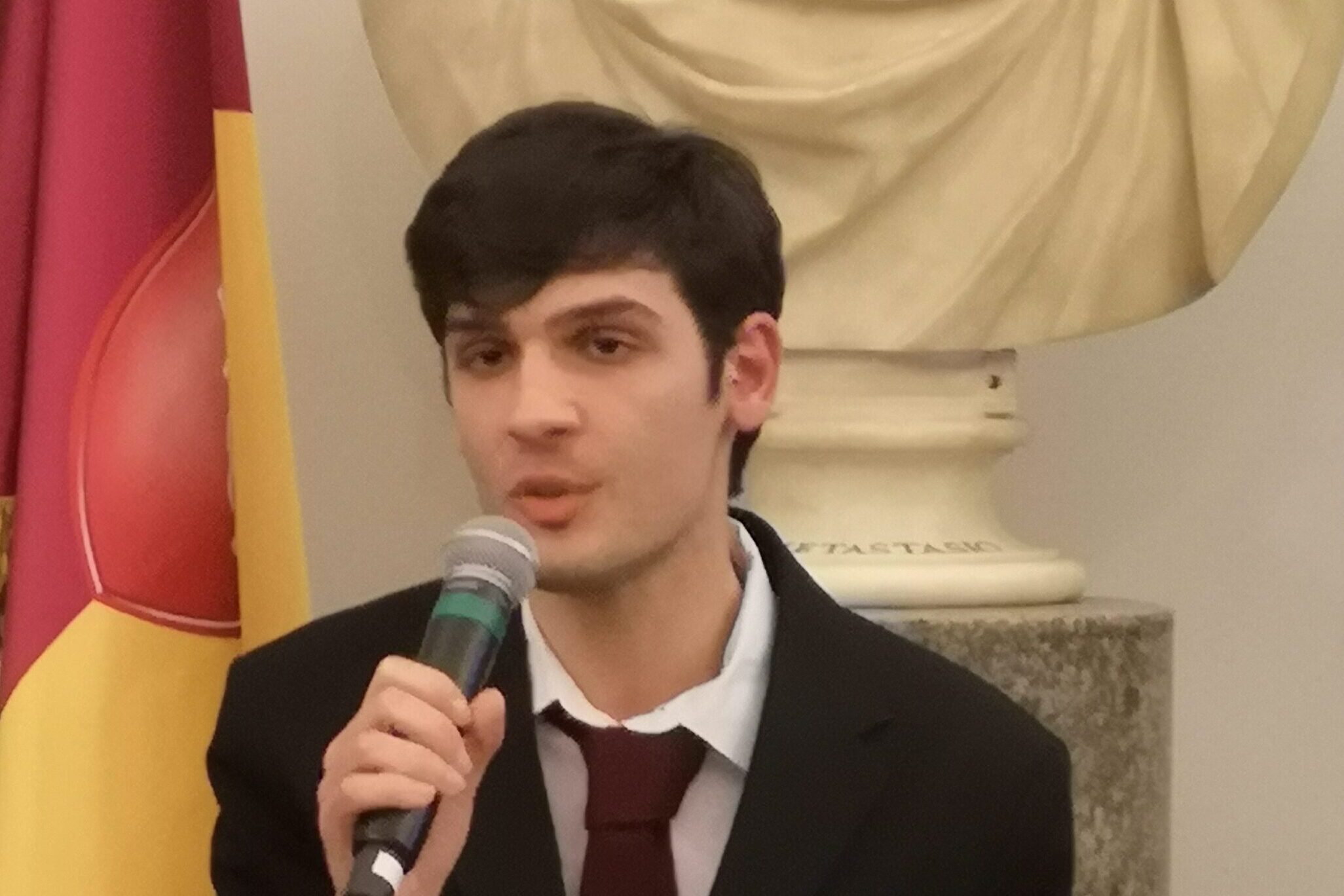
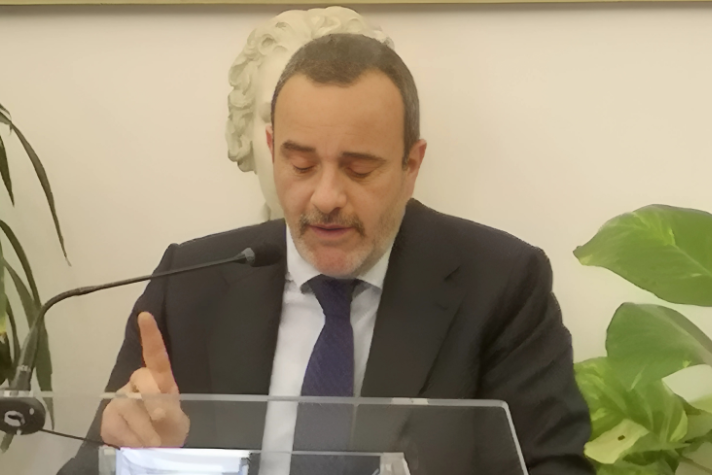
The conference was opened by researcher Federico Castiglioni, who moderated the intense programme. After the Hymn of Europe, journalist Carla Cotignoli introduced the path of Together for Europe, born from the desire to combine European identity with shared spiritual values.
The programme was then divided into three moments: Memory, Today, Prophecy. During the first part, dedicated to Memory, young Carmine Maraio and historian Maria Pia Di Nonno offered a lucid look at the construction of a European identity. Particularly touching was the video remembrance dedicated to David Maria Sassoli, an emblematic figure of an open and solidarity-oriented Europe.
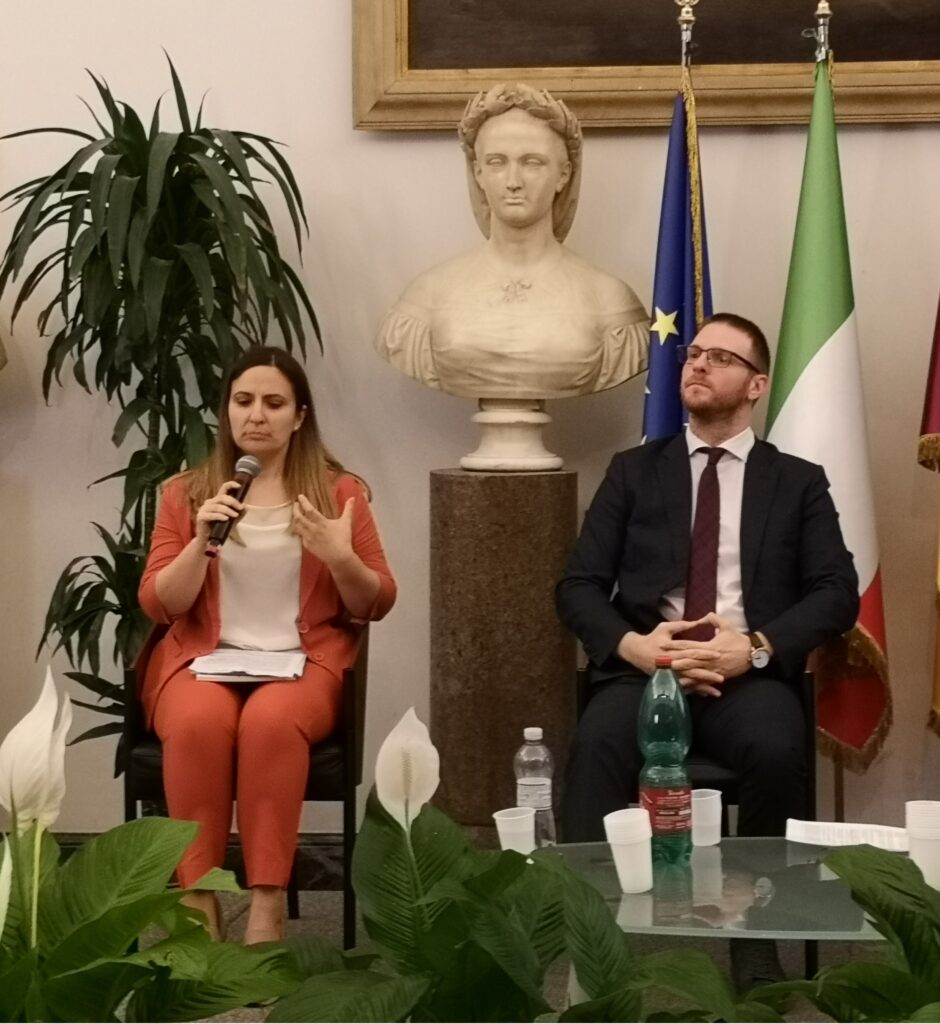
In the Today segment, Vaticanist Riccardo Cristiano and Megalizzi Foundation ambassador Giulia Covalea presented new European initiatives with a focus on youth participation and intergenerational communication.
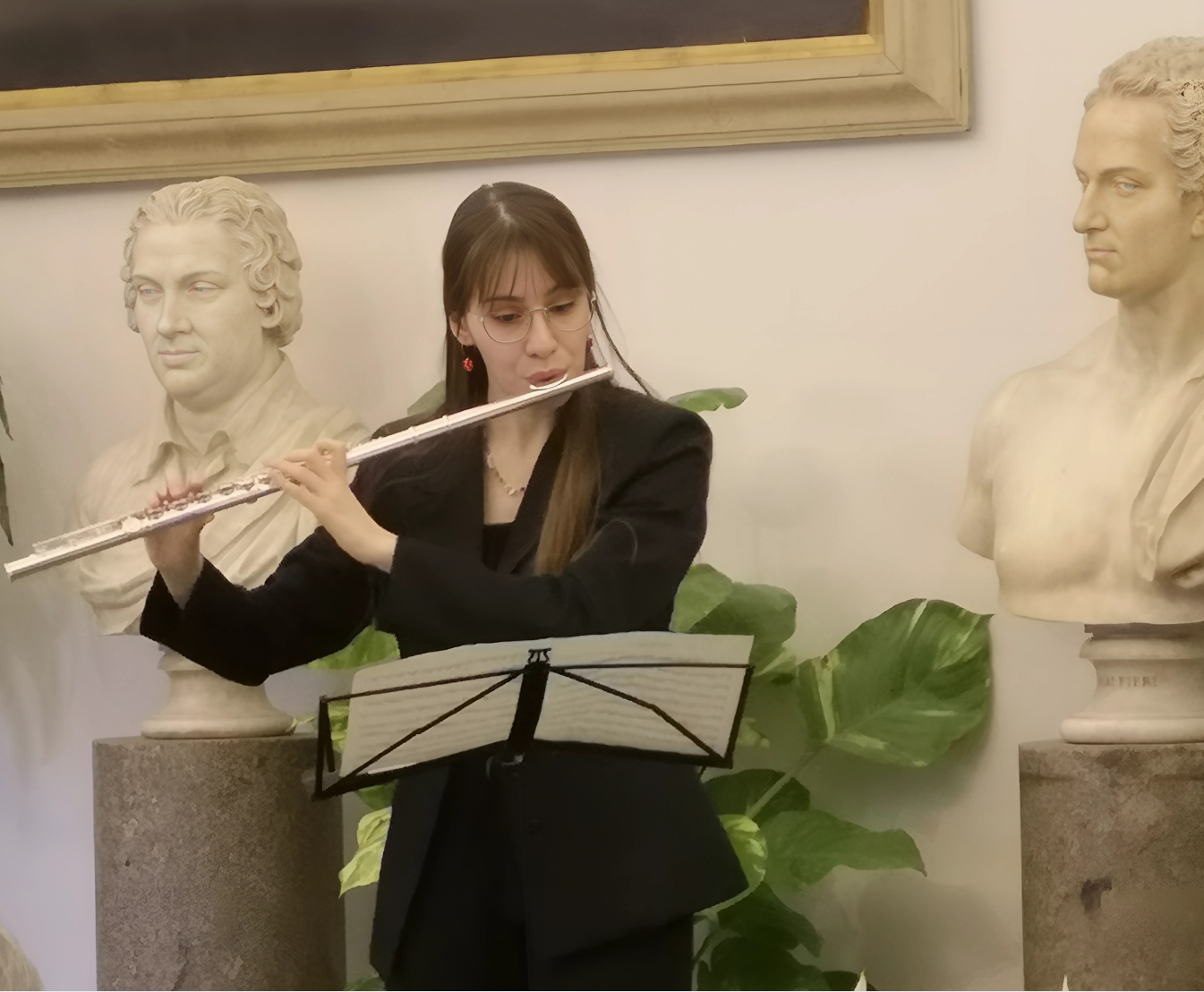
A musical interlude provided by flutist Giulia Valenti gave the participants a moment of artistic reflection.
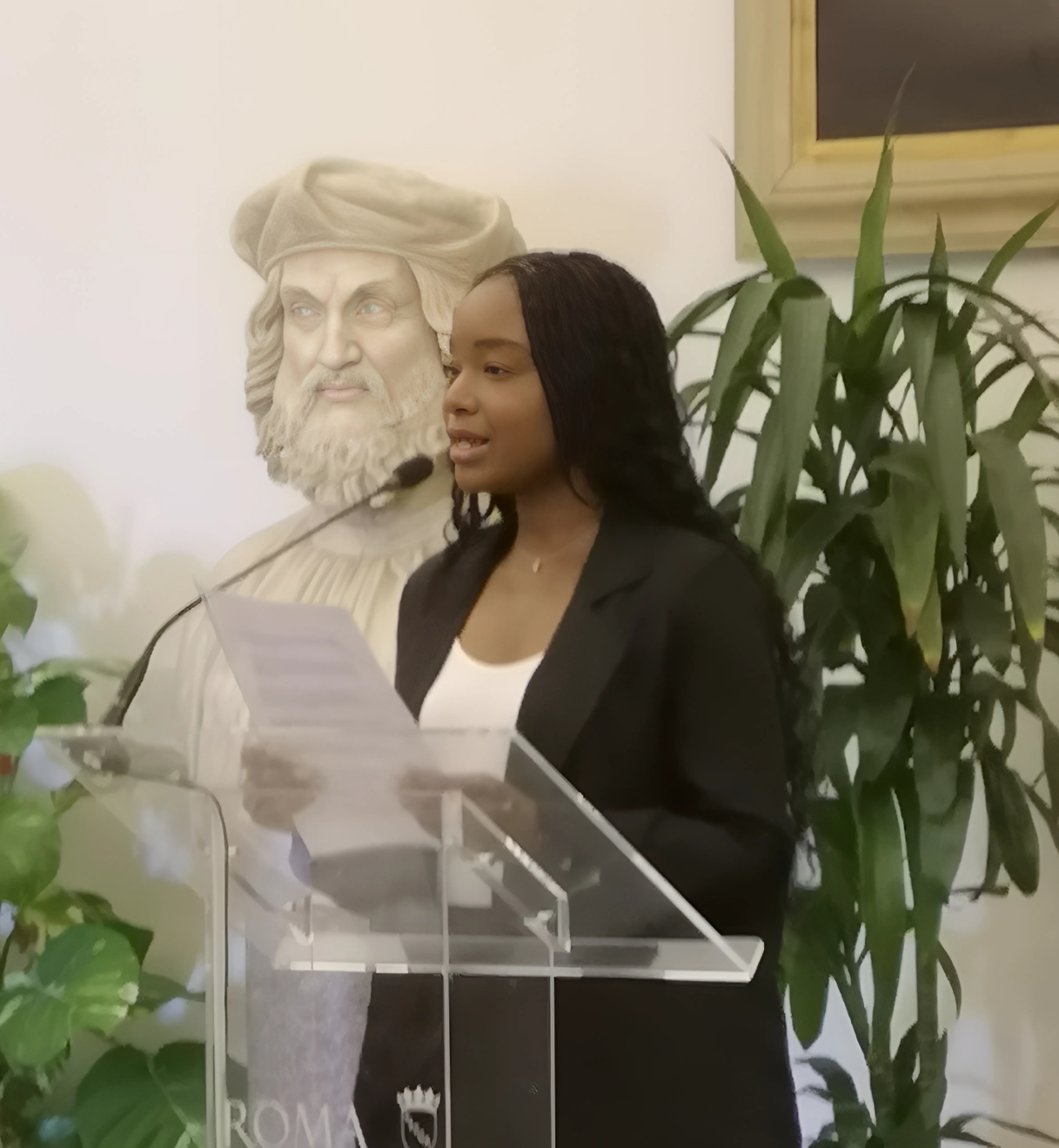
The third and final moment, Prophecy, aimed to cast our gaze into the future. The speeches by Angèle Mulibinge Kaj and Prof. Alberto Lo Presti evoked the need to rediscover Europe as a space of spirituality, welcome and responsibility.
Prayer time in the Basilica Santa Maria in Aracoeli
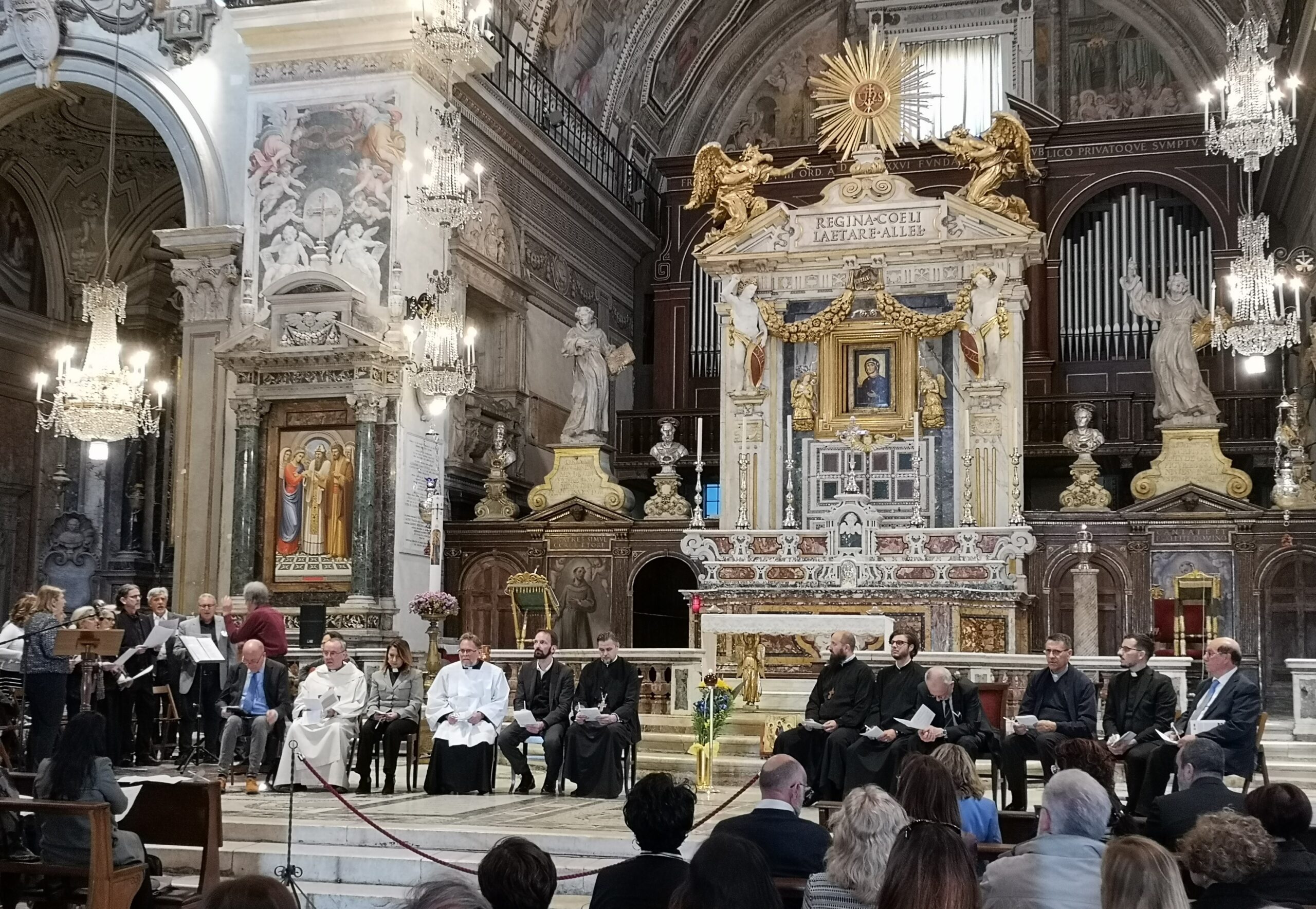
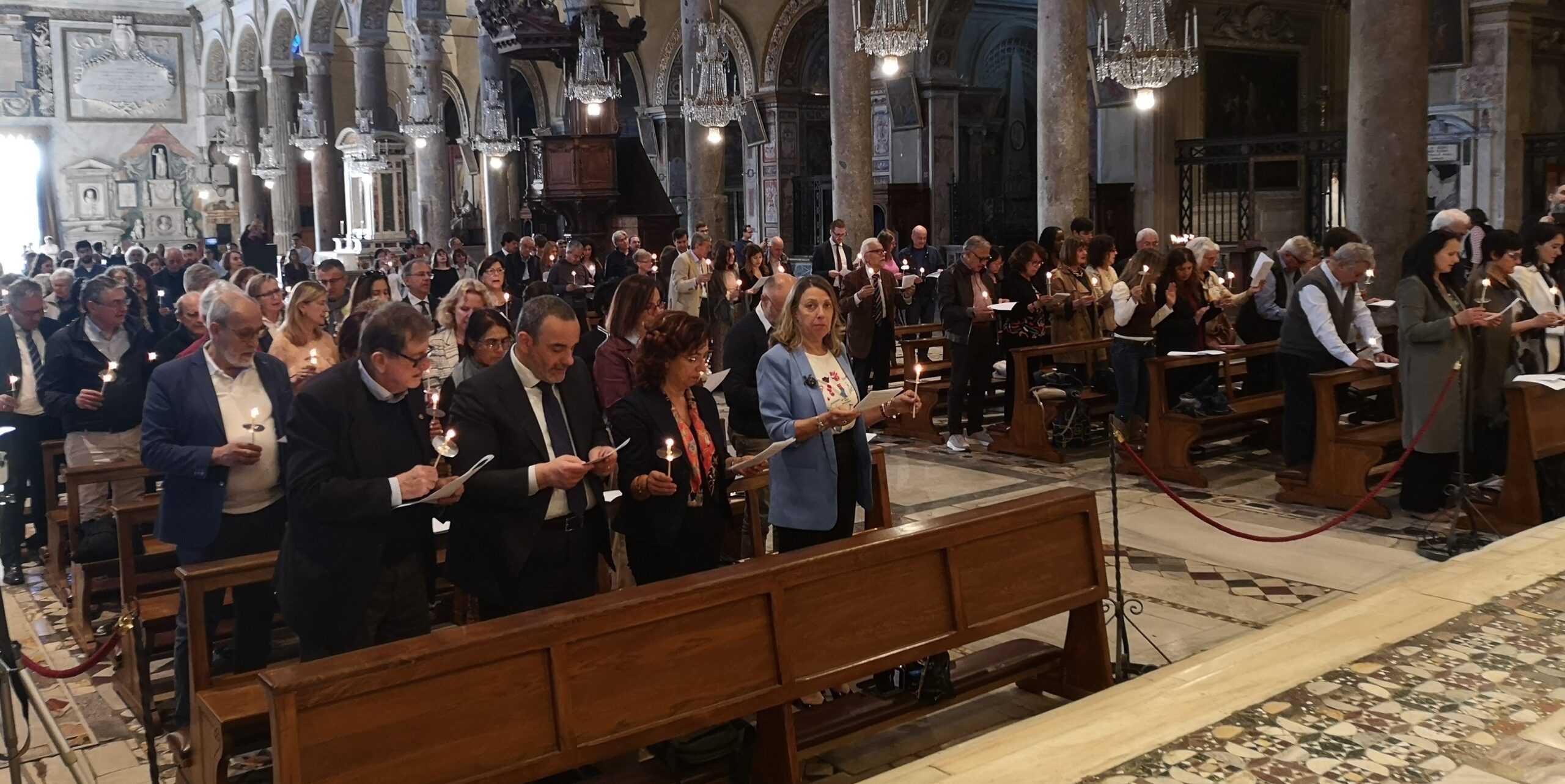
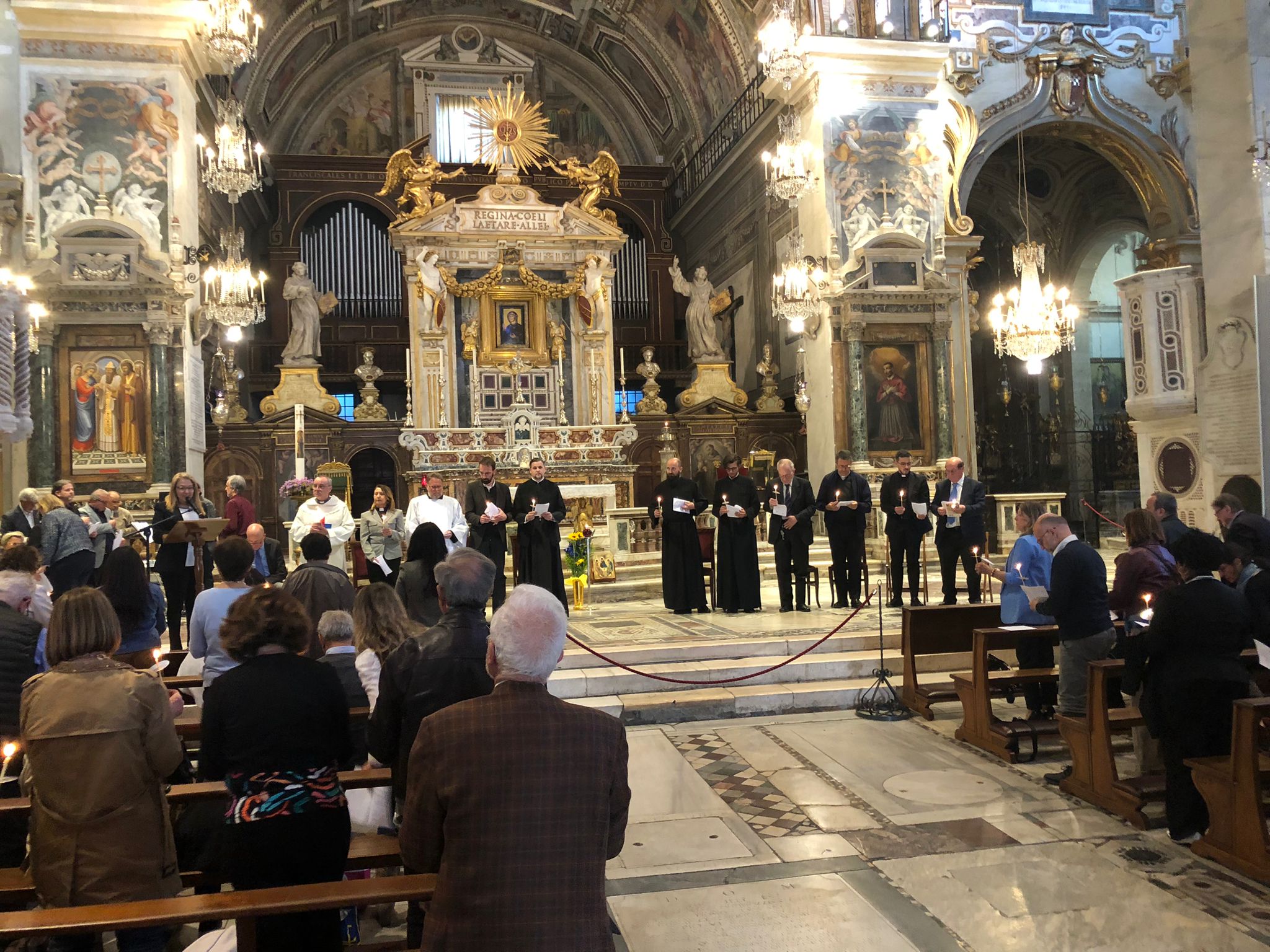
The atmosphere became more intimate and profound with the ecumenical prayer in the nearby Basilica Santa Maria in Aracoeli, led by representatives and ministers of different Christian denominations.
From the biblical texts read by Orthodox, Protestant and Catholic voices, to the interdenominational prayers, from the songs of the ecumenical choir composed for the occasion to the evocative ‘Sign of Light’ brought by the young people, this moment bore witness to a possible spiritual unity that transcends borders and differences. At a time marked by fractures, wars and uncertainties, the message launched by the event is clear: building a Europe of peace, solidarity and justice is not only necessary, but also urgent.
The event culminated with an interfaith blessing and a choral song: a symbol of communion between peoples, languages and faiths, in the knowledge that Europe can only find itself ‘together’.
On 6 May, in the Evangelical Church of Czech Brethren, we took part in the usual Taizé prayer.
The prayer was for Europe, with about 50 people present: it was very solemn and ecumenical, with representatives from different Churches. The intentions were prepared and read by us, at the request by the young organisers. A young friend of our network, who is now a candidate for the national parliament, was also present.
We came from four Movements: Schoenstatt, Sant’Egidio, Chemin Neuf and Focolari.