Brussels: 75 years since the Schuman Declaration
Brussels, 15 May 2025 – Europe continues to be the talk of the town, at the centre of international tensions and heated debates, the outcome of which affects the lives of its citizens: almost half a billion of them are citizens of the European Union. Peace versus defence, war or commercial peace, choices on energy, development policies and social justice, identity and diversity, openness and borders: the issues on the agenda are numerous and, in the face of changes in the internal and external scenario – first and foremost the war in Ukraine -, the re-reading and updating of the prophecy of Robert Schuman and the founding fathers is not only topical, but necessary.
Seventy-five years have passed since the then French Foreign Minister delivered his revolutionary speech in Paris on 9 May 1950, laying the foundations for the European integration process. Today, in the European Parliament building in Brussels, a panel of experts, representatives of various Christian Movements and young activists gave voice to the vision of European unity as an instrument of peace.
Different Churches and Movements from various countries in Europe
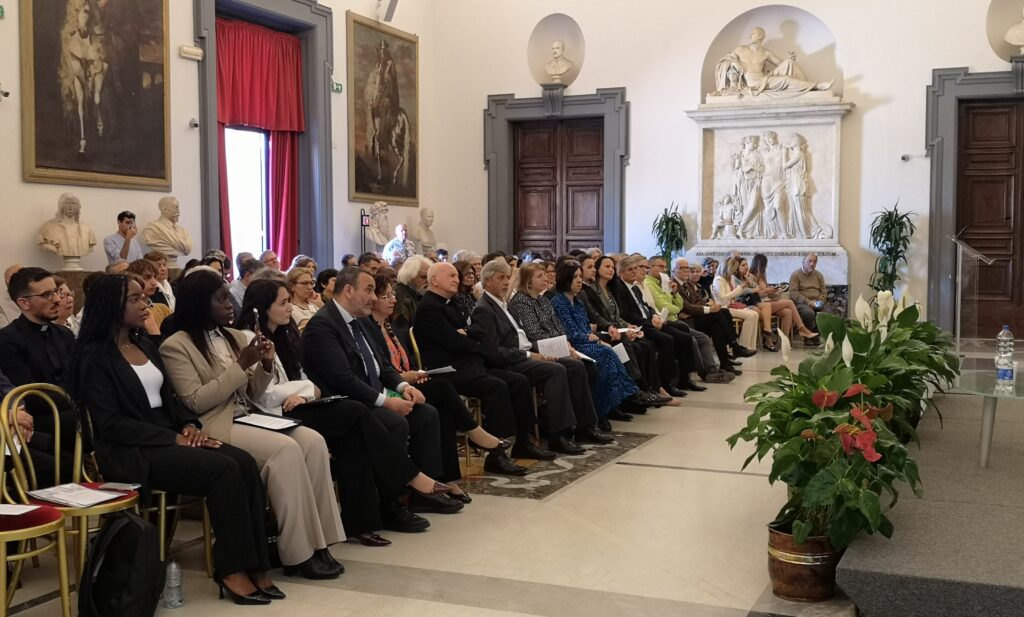
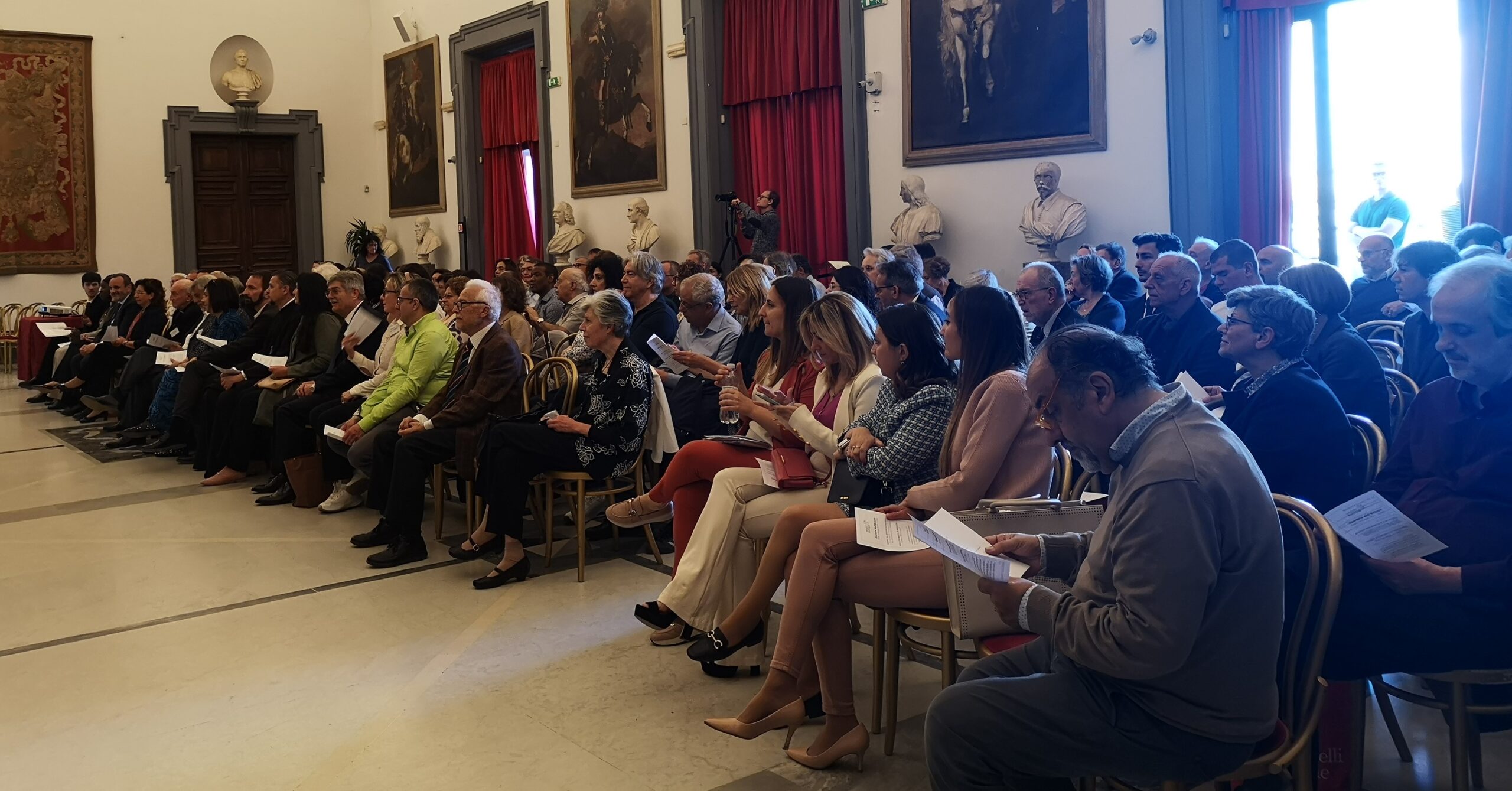
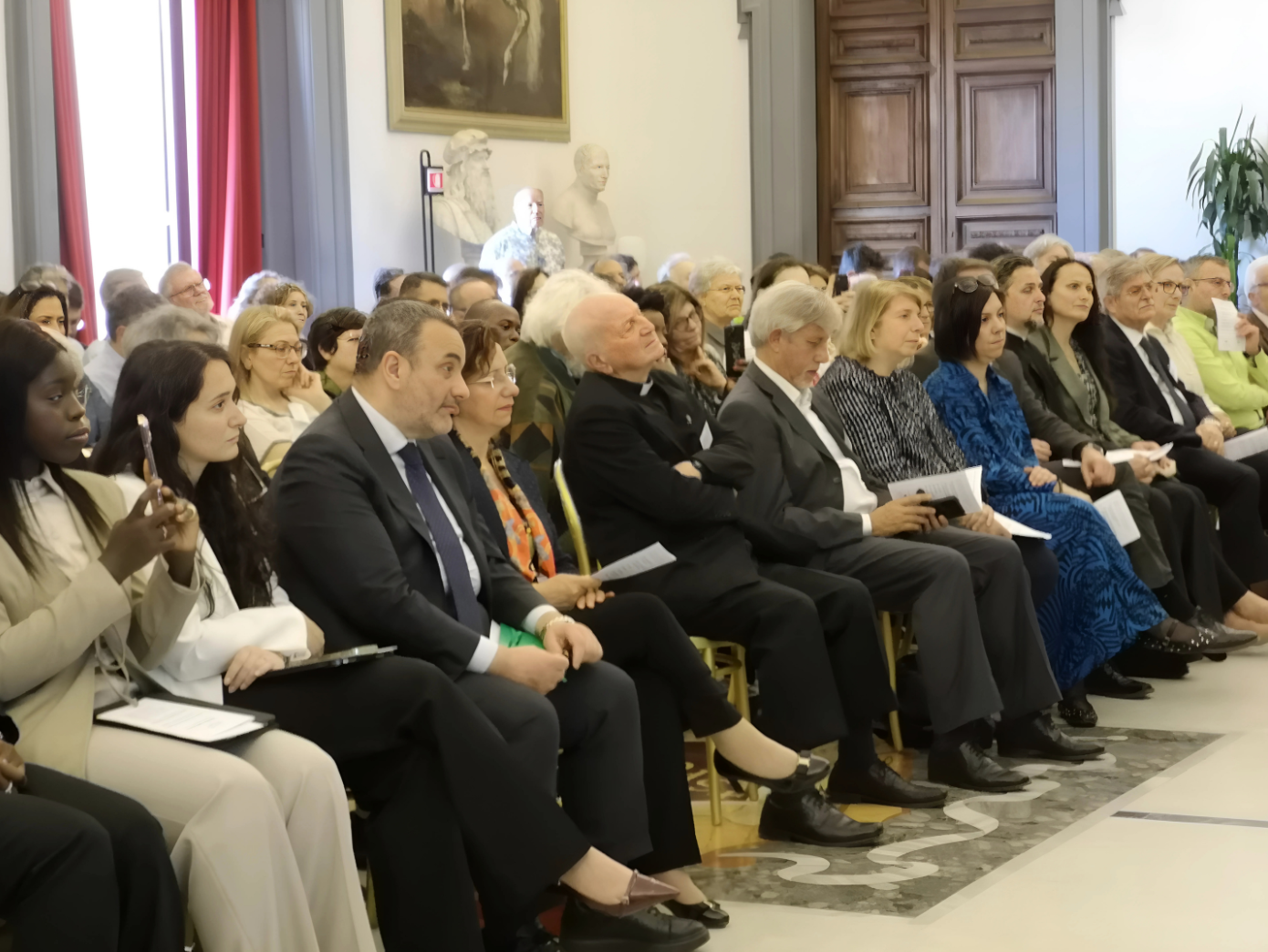
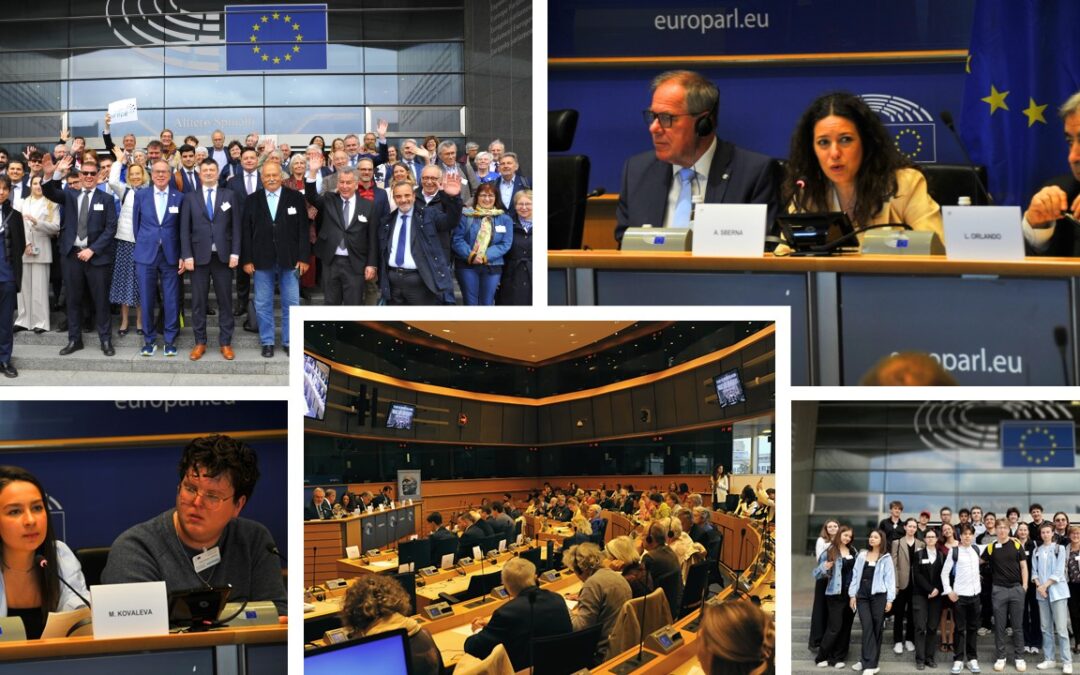
The event took place on the initiative of Together for Europe (TfE) together with a number of MEPs, at the invitation of Slovakian MEP Miriam Lexmann – who was absent for family reasons – and brought together on the morning of 15 May, some 100 people from Belgium, Italy, Germany, Holland, Slovakia, Austria, France, Greece and Romania. In attendance were Catholic, Orthodox and Reform Church Christians; representatives of the Immanuel Community, YMCA, Focolare, Schoenstatt, Sant’Egidio, Quinta Dimensione, Pope John XXIII Community: the typical variety of the TfE network. The moderator of Together, Gerhard Pross, witnessed the beginnings: ‘For us it is important to express the power of faith in shaping society. However, we are not interested in power or domination, but in bringing the hope, love and strength of reconciliation and togetherness inherent in the Gospel’.
High school and university students experience European dialogue, institutions and spirituality
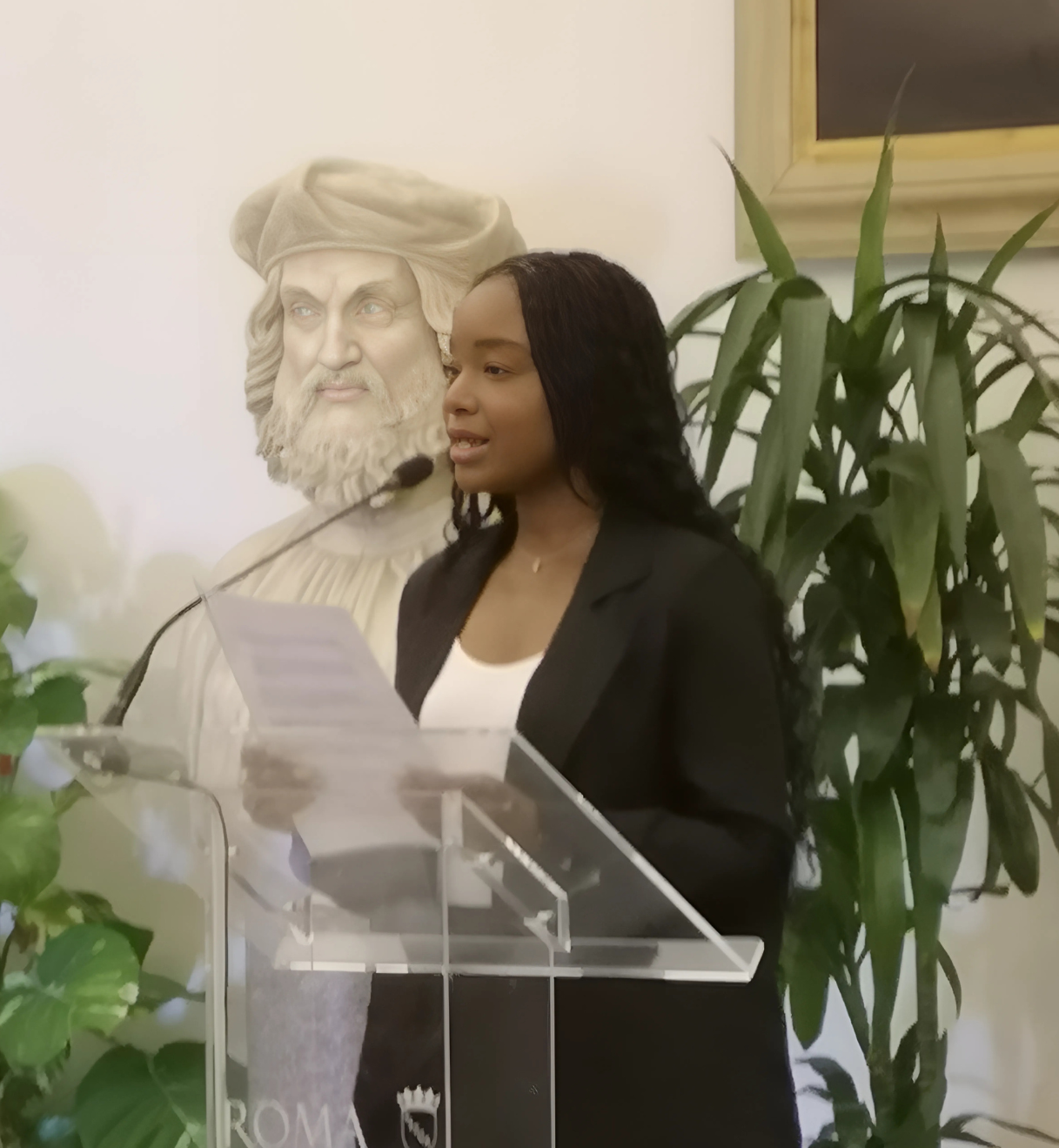
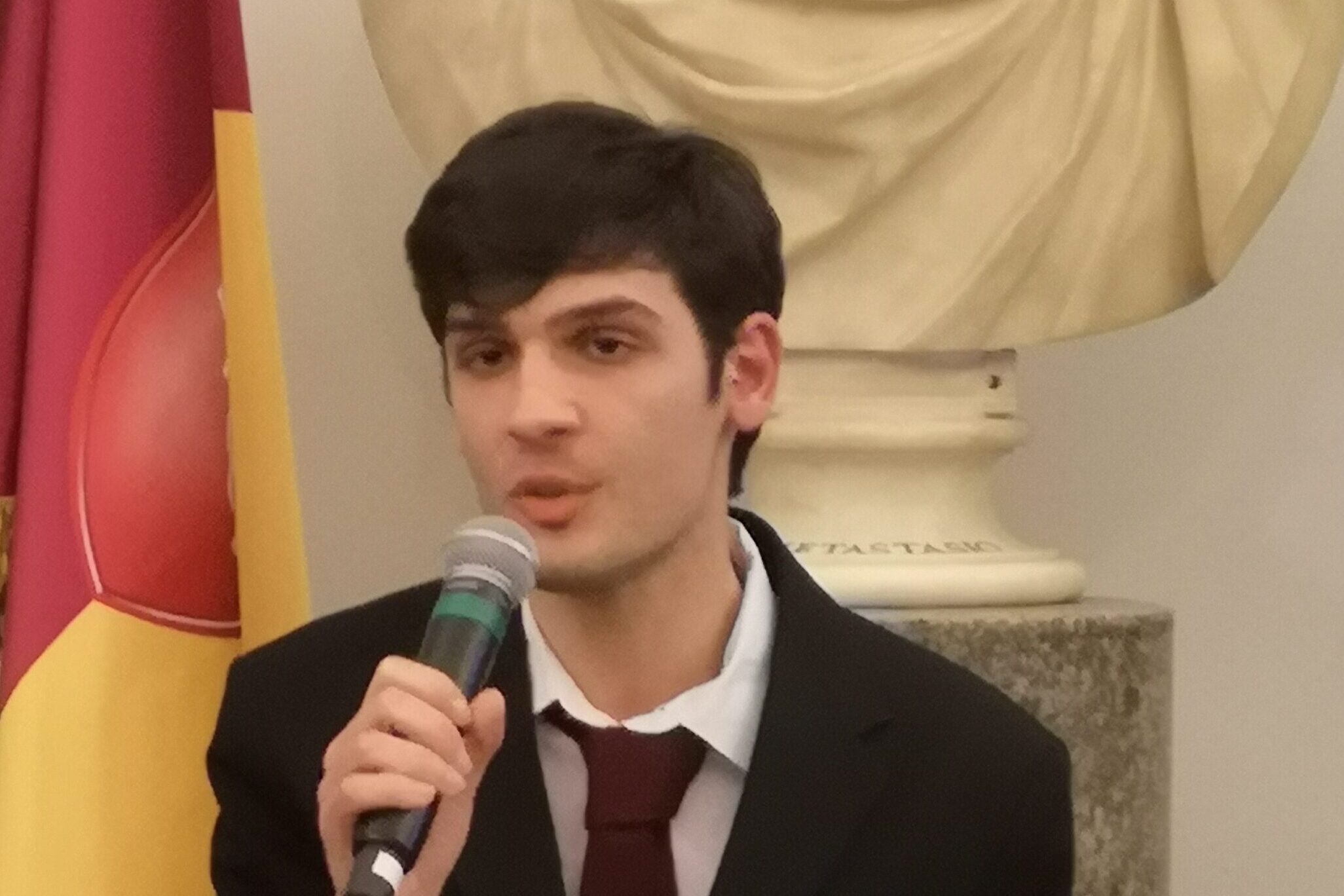
Among the audience – and among the speakers – a strong youth component stands out: 20 from the Spojená škola Svätá rodina high school in Bratislava. They study active citizenship and European law. They are in Brussels with their professors, for an experience that may mark their professional and life path. Among them, Maria Kovaleva: ‘I come from Russia and for me Europe means being able to be here, regardless of where I come from or the political situation in my country or in Slovakia, and to speak freely – right here, in the heart of Europe. For me, Europe has always been a place where it doesn’t matter what religion or nationality you have. Everyone has the right to speak, and to speak without censorship. This is the kind of Europe that Robert Schuman dreamed of’.
Peter, 16, says he is genuinely amazed, finding himself for the first time in an institutional location where important decisions are made. He is the student representative and what he experienced in Brussels is for him an inspiration for the future, in which through management or engagement in politics he can play a leadership role.
Samuel is 17 years old. He calls these days ‘an extraordinary experience to find out more about the rest of Europe, how politics works, how Parliament works; I think I can speak for the whole class: it was extraordinary!’.
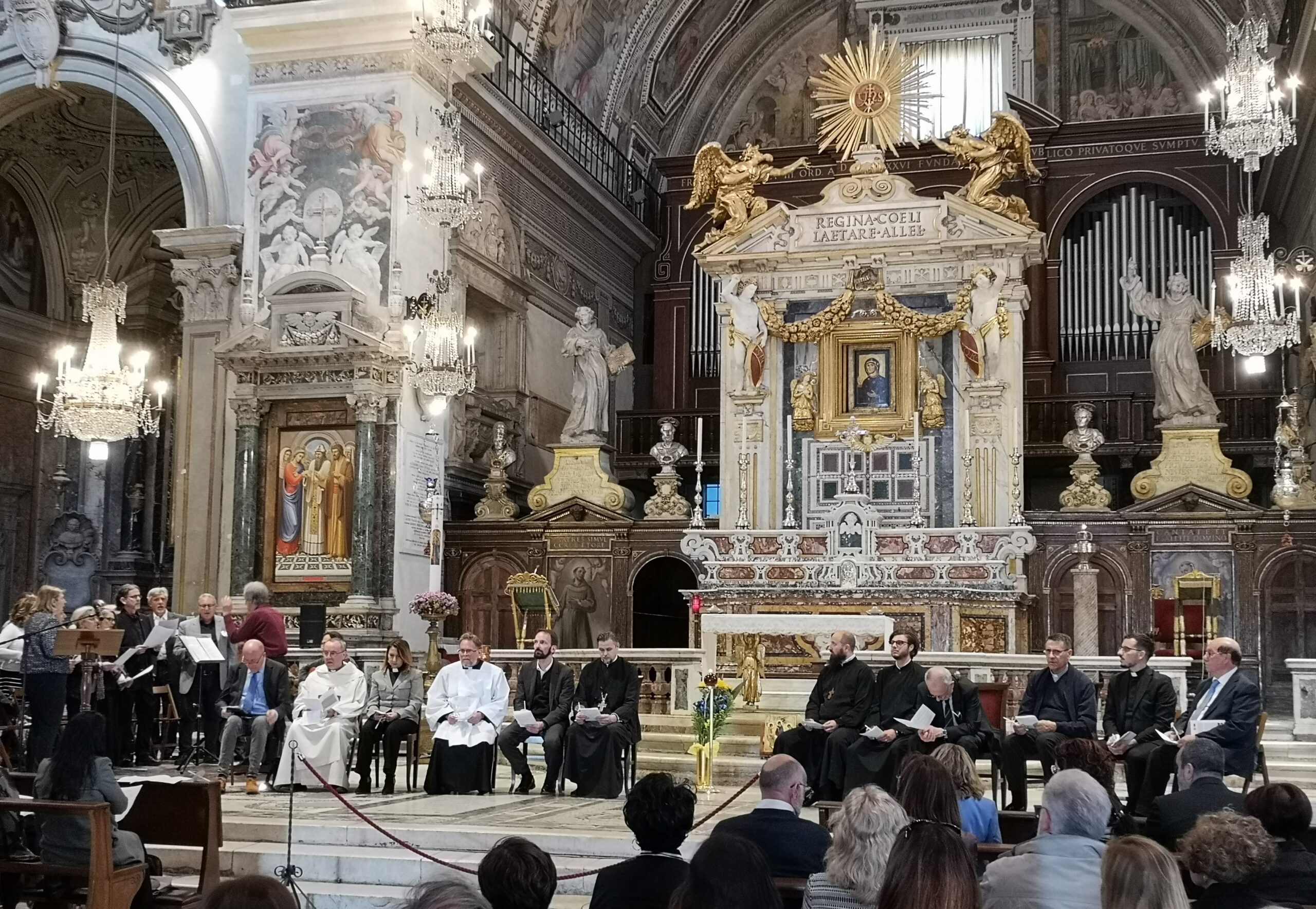
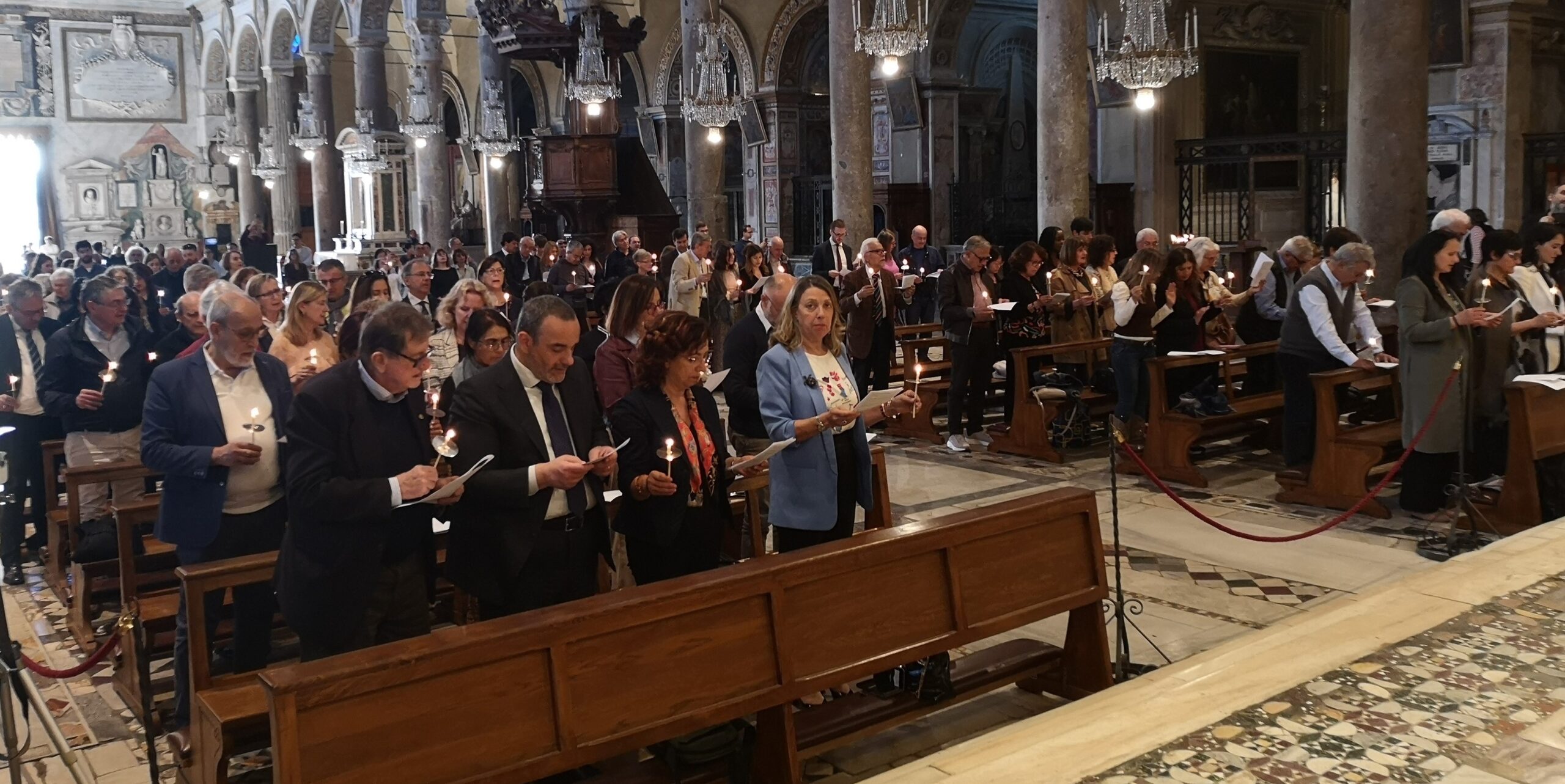
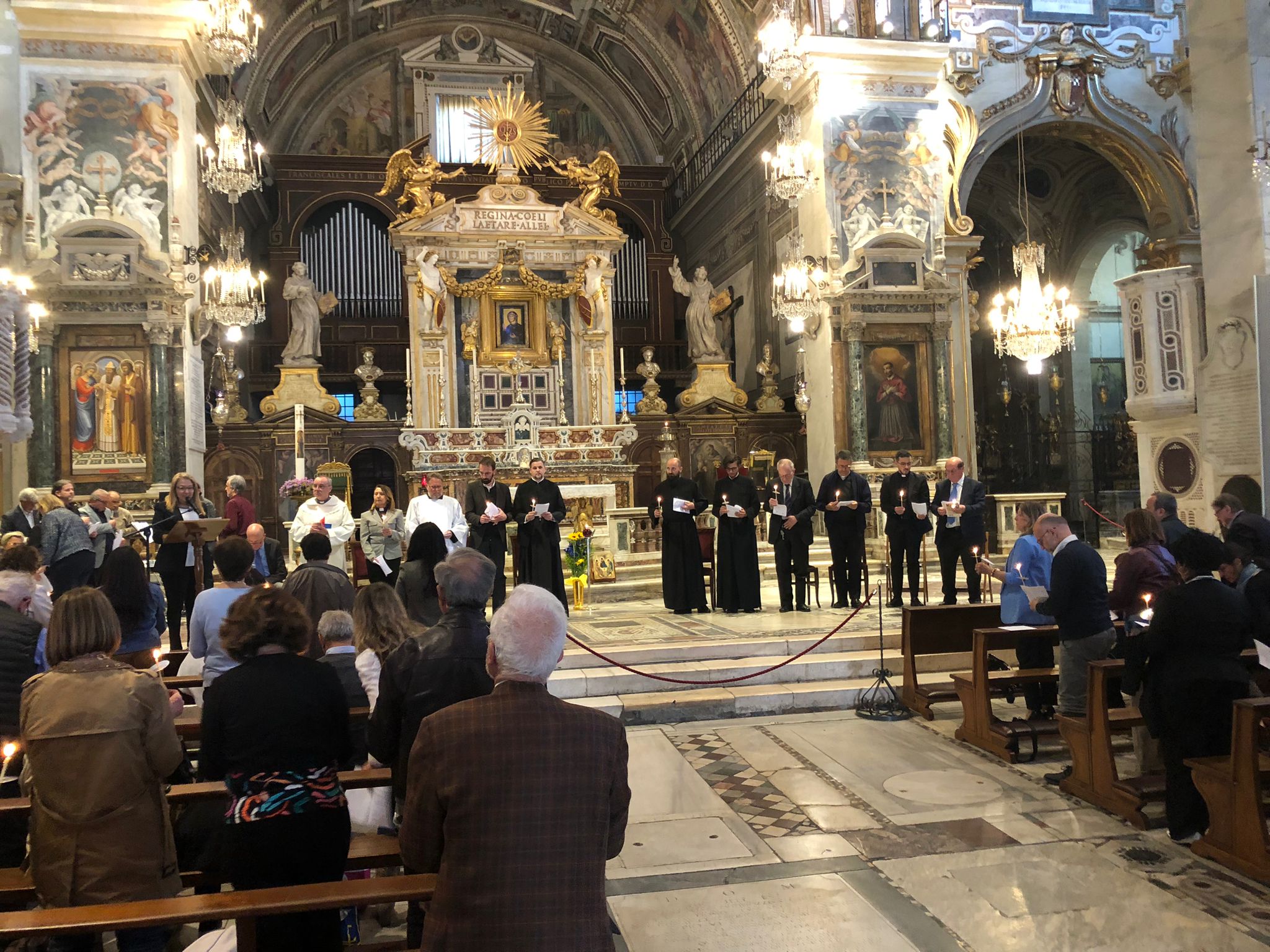
Another student representation came from Italy. They are 10 students of political science and international relations from LUMSA, in Rome. Daniele, a first year political science student, is particularly impressed by the moment in the afternoon: the ecumenical prayer in the ‘Chapel for Europe’. ‘I like Chiara Lubich’s work, building bridges to bring everyone together, and you could see the commitment in everyone present. It is not a meeting between dreamers, but a concrete search that leads to something solid’. For Diego, it is a moment in which memory is renewed and leads to continuity. He is inspired by the globality that one breathes in Brussels, ‘a starting point for future developments’ and particularly appreciated the interventions of the MEPs.
The appeal of MEPs to young people and Movements
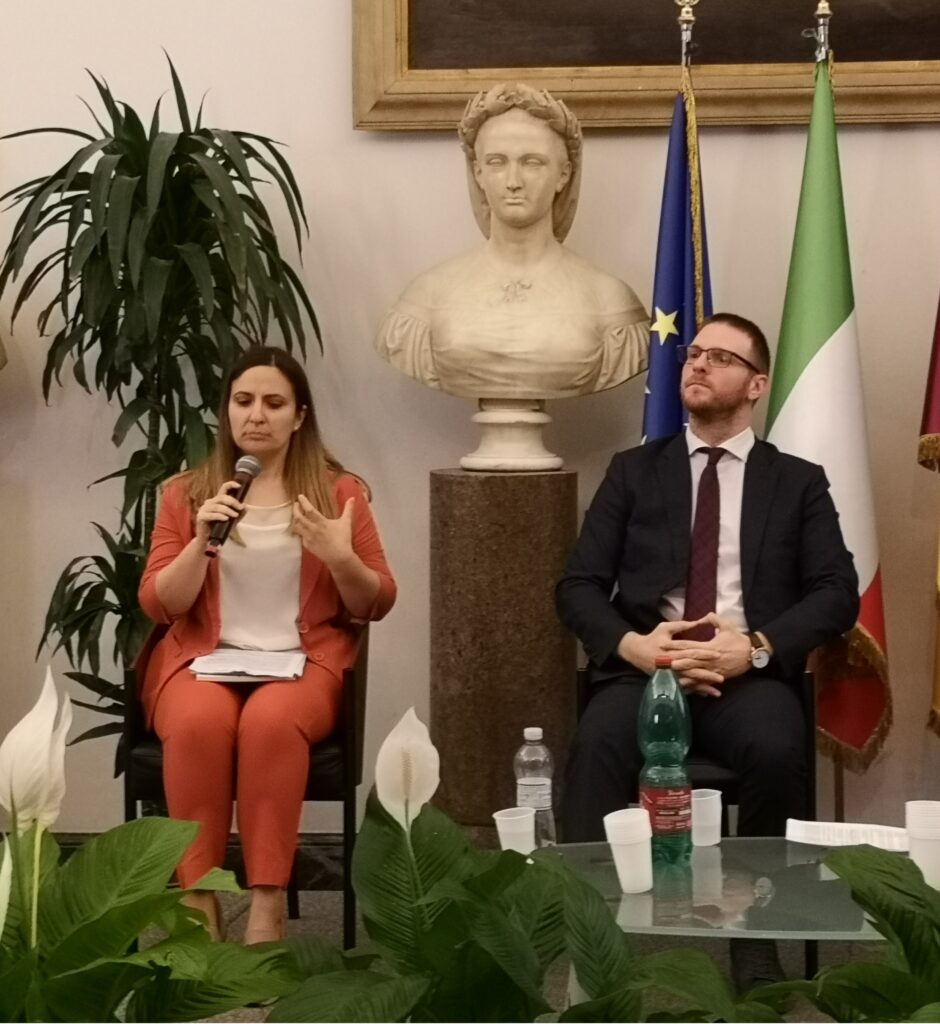
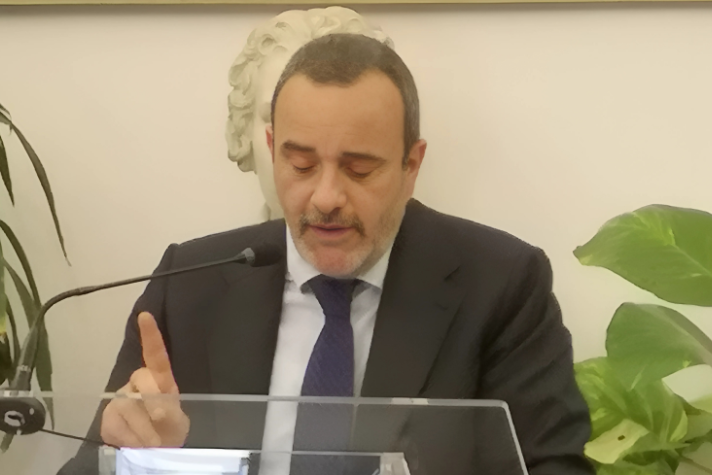
Present in the morning were Antonella Sberna (European Conservatives and Reformists), Vice-President of the European Parliament and responsible for the implementation of Article 17 TFEU, Leoluca Orlando and Cristina Guarda (Greens). ‘You are the example of what the EU can do for our peoples and civilisations,’ says the vice-president, addressing Together for Europe. And she invited the young people present to ‘be critical, but passionate’, to ‘study Europe well’, to be ‘together in the service of correcting what we do not like and guaranteeing peace within our borders, as an example of the union of peoples while respecting sovereignty’.
Leoluca Orlando invites to ‘grasp the project of the future that lay in Schumann’s action, cultivating a restless memory’ and recalls the principle of fraternity, which overcomes the historical polarisation between right and left on freedom and equality. And as an example of fraternity he reports ‘the prophetic experience of unity between Catholics and Lutherans, thanks to Chiara Lubich’s intuition, in Ottmaring, Bavaria, a place in the heart of the Thirty Years’ War’.
For Cristina Guarda, peace is the key word: ‘As Christian Movements I ask you to be part of this discussion, and to demand our consistency in the search for peace. And therefore make right choices and vote correctly, to respect peace’.
Accompanying Europe to realise its vocation
And it is precisely to a project of peace that Schuman’s Declaration aspires: Jeff Fountain, of the Schuman Centre, offers an interpretation of the spiritual foundations of the Declaration, of his ‘courageous three-minute speech’: ‘his project was not just political or economic. Read at a deeper level, the Schuman Declaration reveals that the project is deeply moral, spiritual, rooted in the values of the heart’. ‘The institutions he helped inspire – however imperfect – are a defence against a return to the politics of domination and exclusion, of fear and hatred’.
But who should give Europe a soul? Alberto Lo Presti invites us to reflect. ‘We should not expect such a soul to be produced by European political institutions and passed on to its citizens. I would not want to live in a society in which the institution inculcates a worldview in my brain. This is usually done by the totalitarian political organisations that we have also known well here in Europe: for example, Nazi-fascism and communism. The soul of the European Union will be seen when that soul is visible in the daily choices of its citizens. As Together for Europe we want to accompany Europe to the realisation of its vocation’.
Maria Chiara De Lorenzo
Some of the speeches delivered at the European Parliament are available on the page dedicated to Europe Day 2025>>
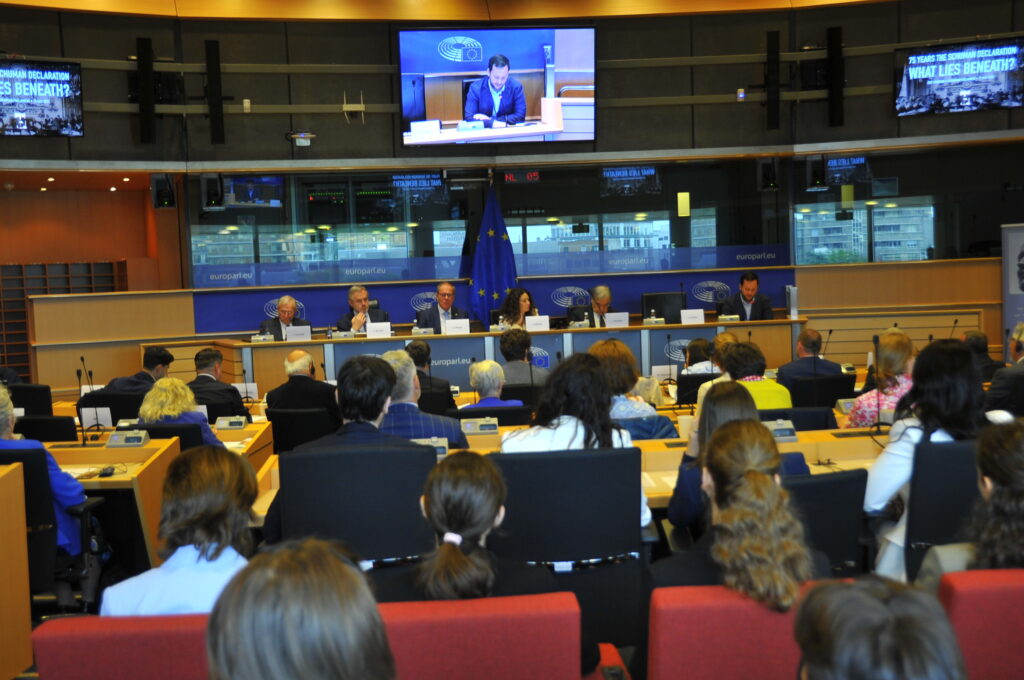
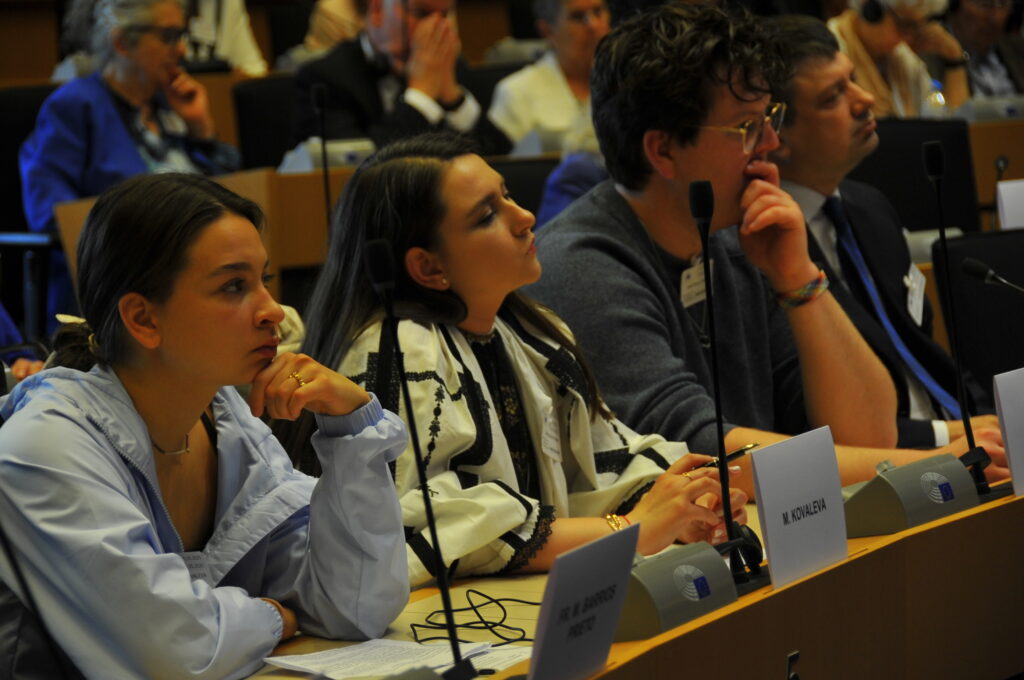
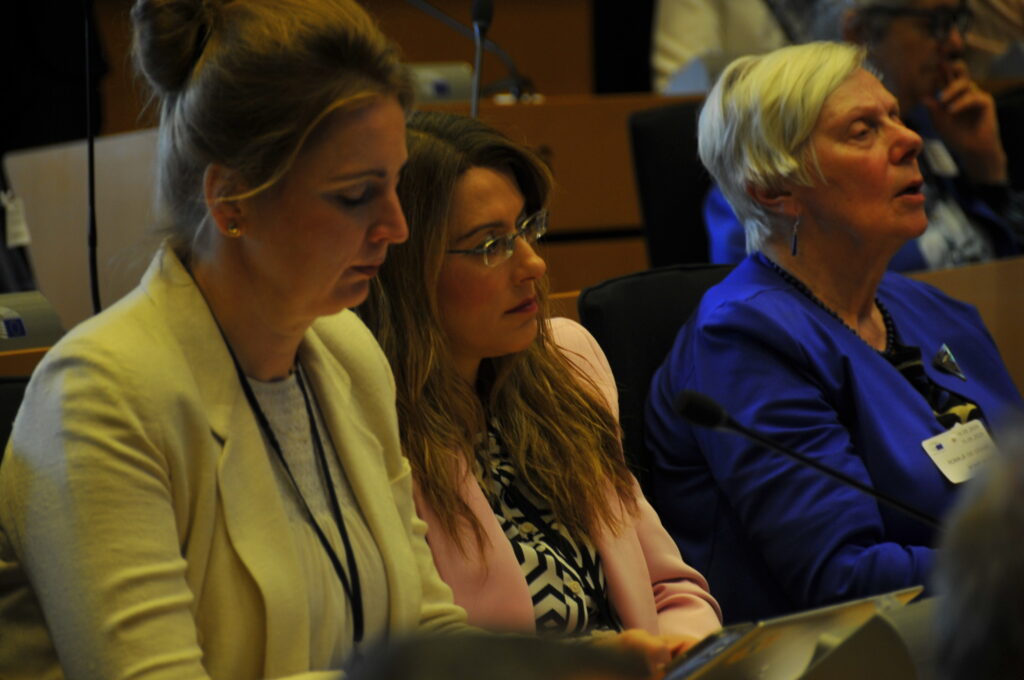
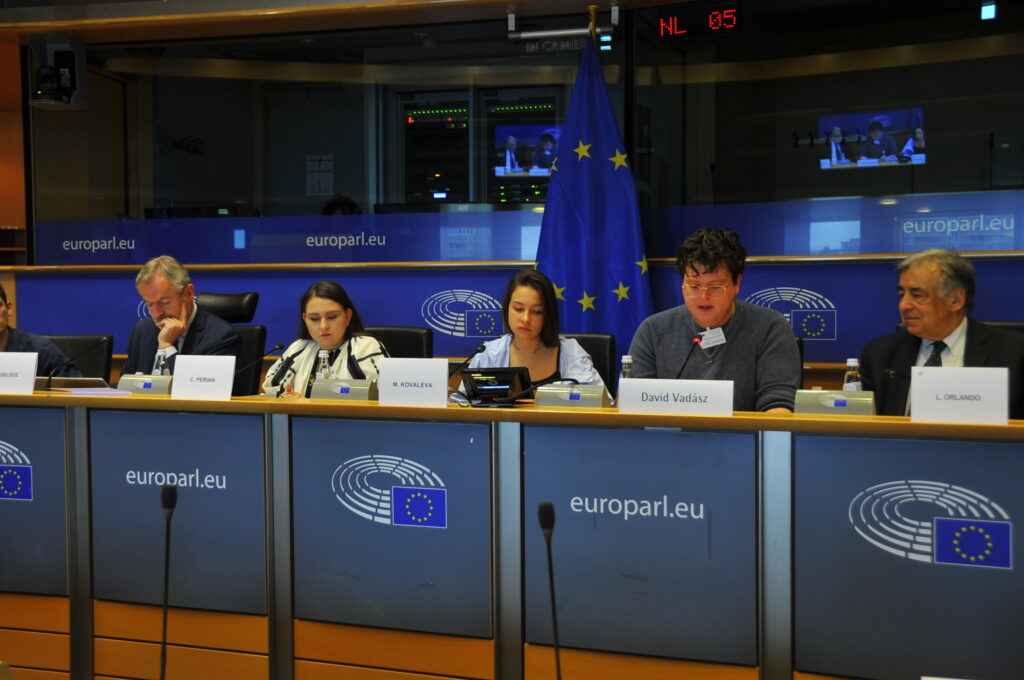
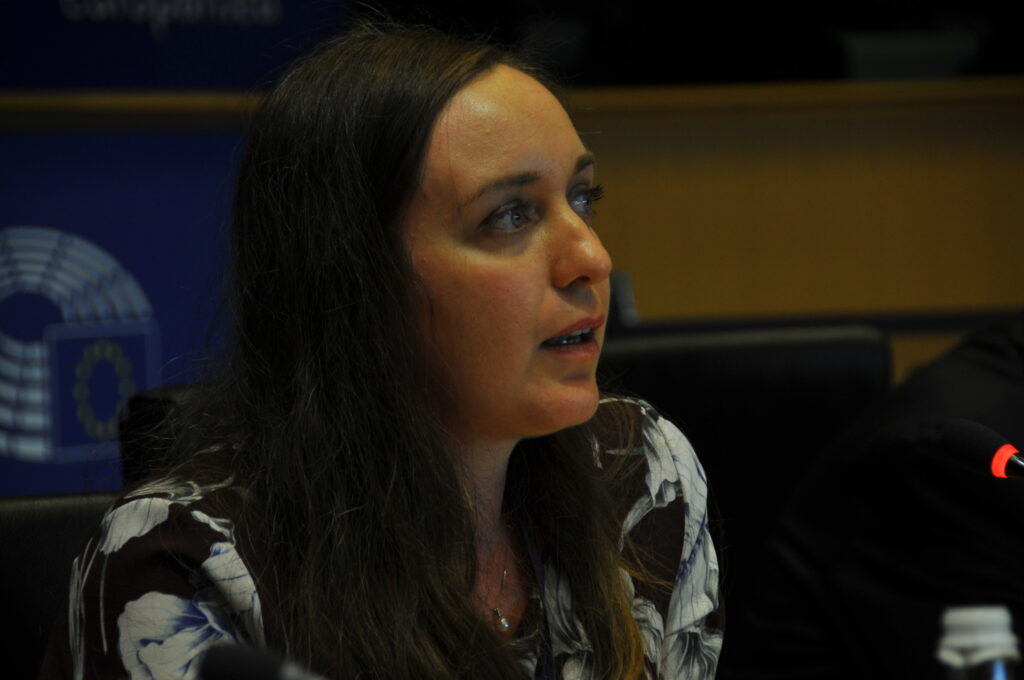

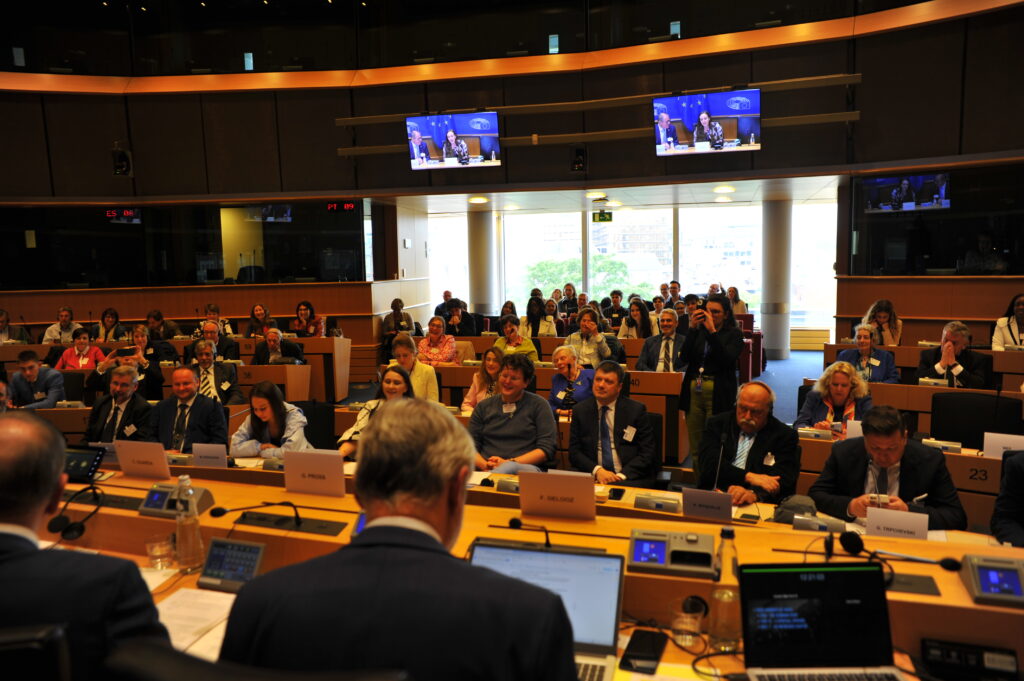
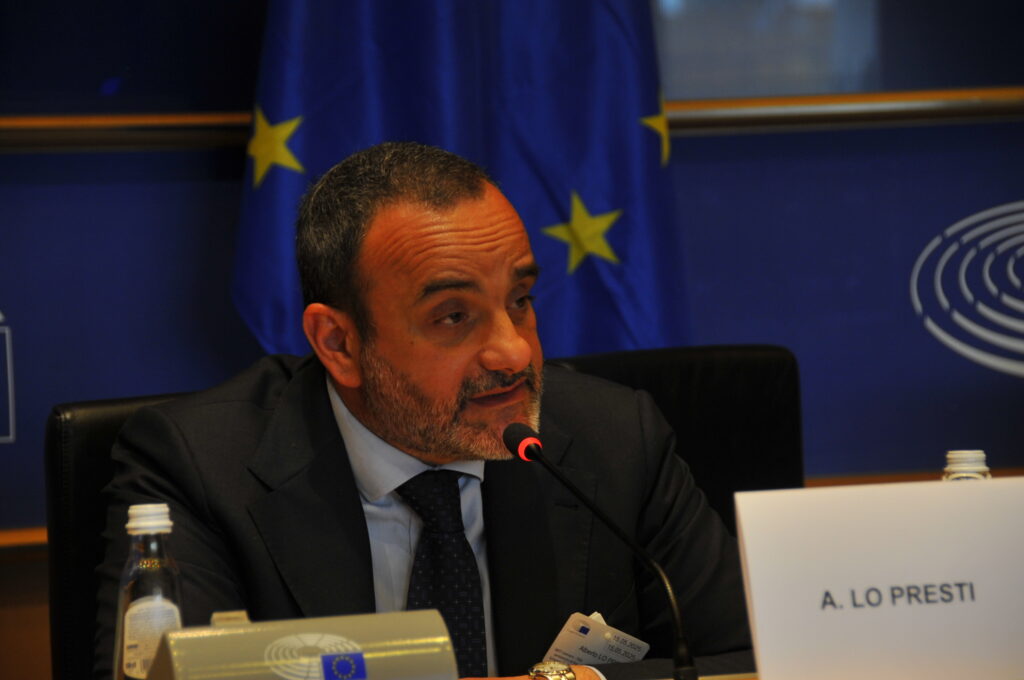
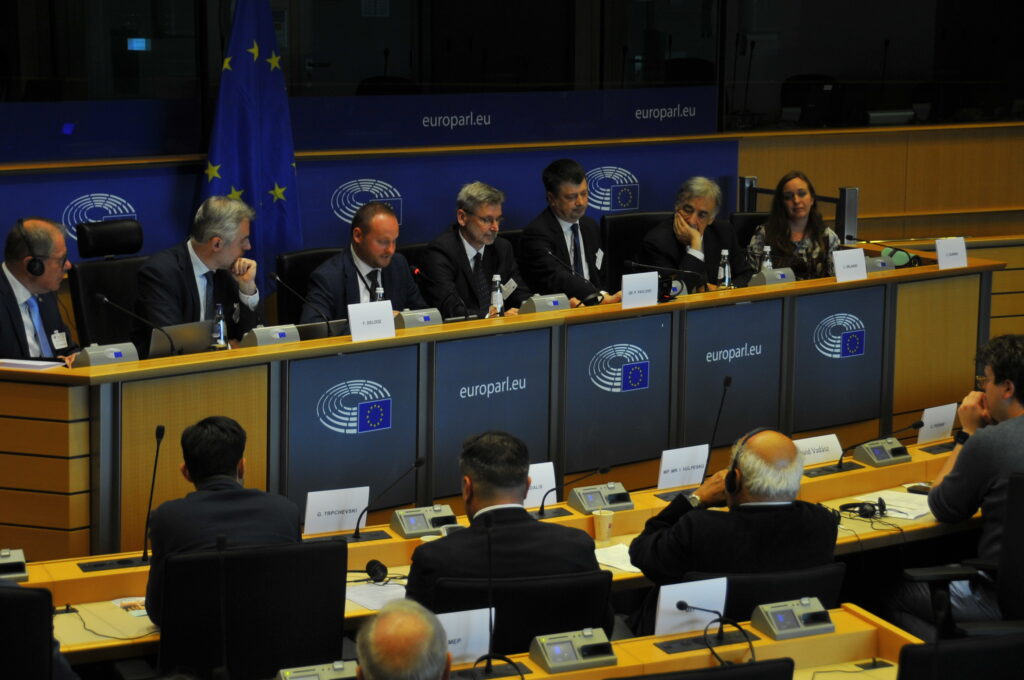

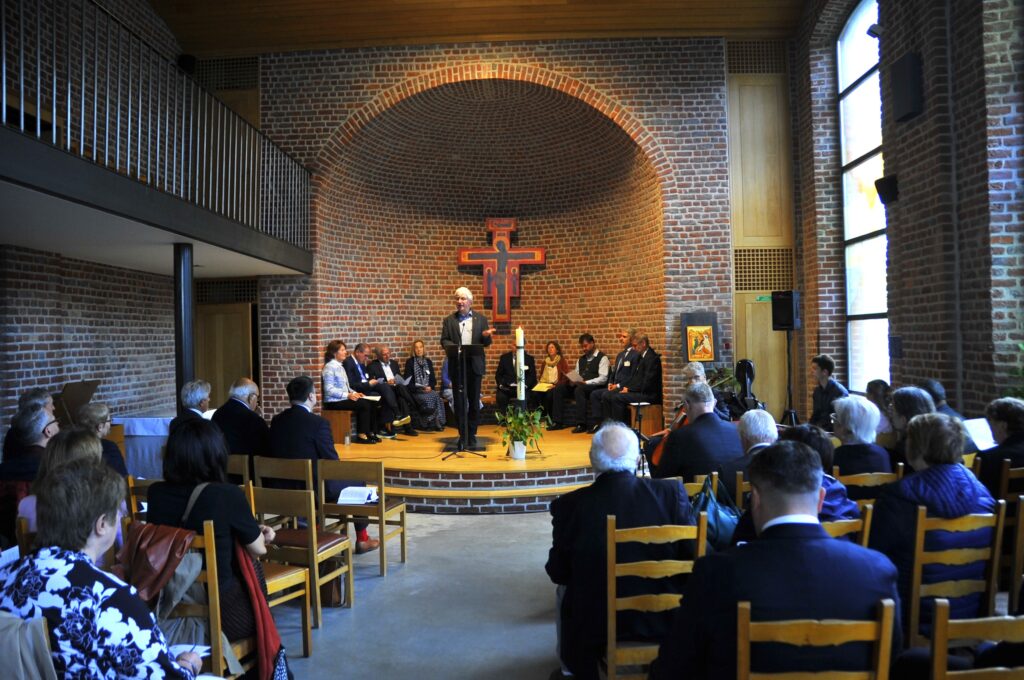
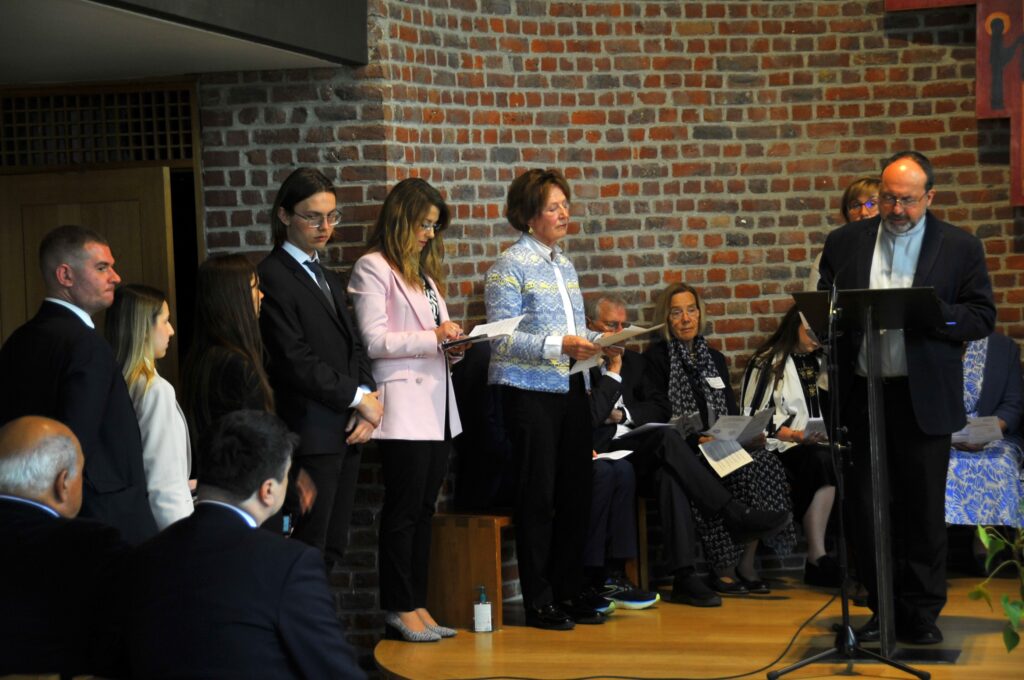
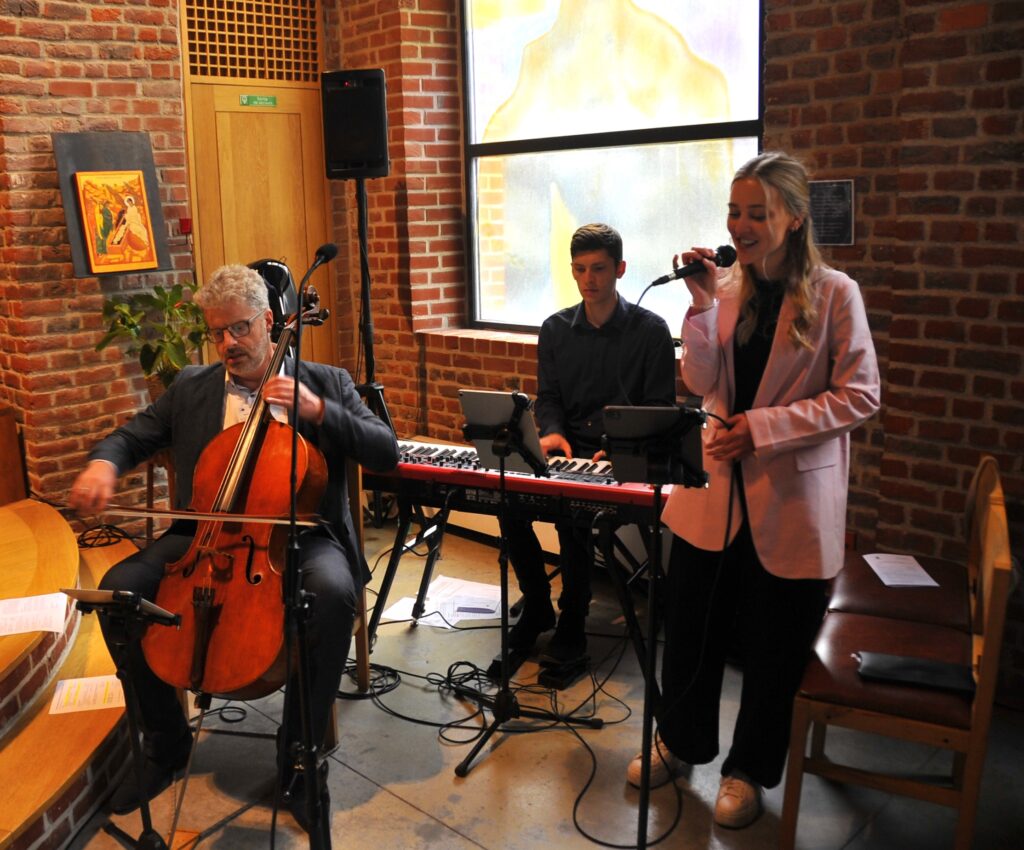
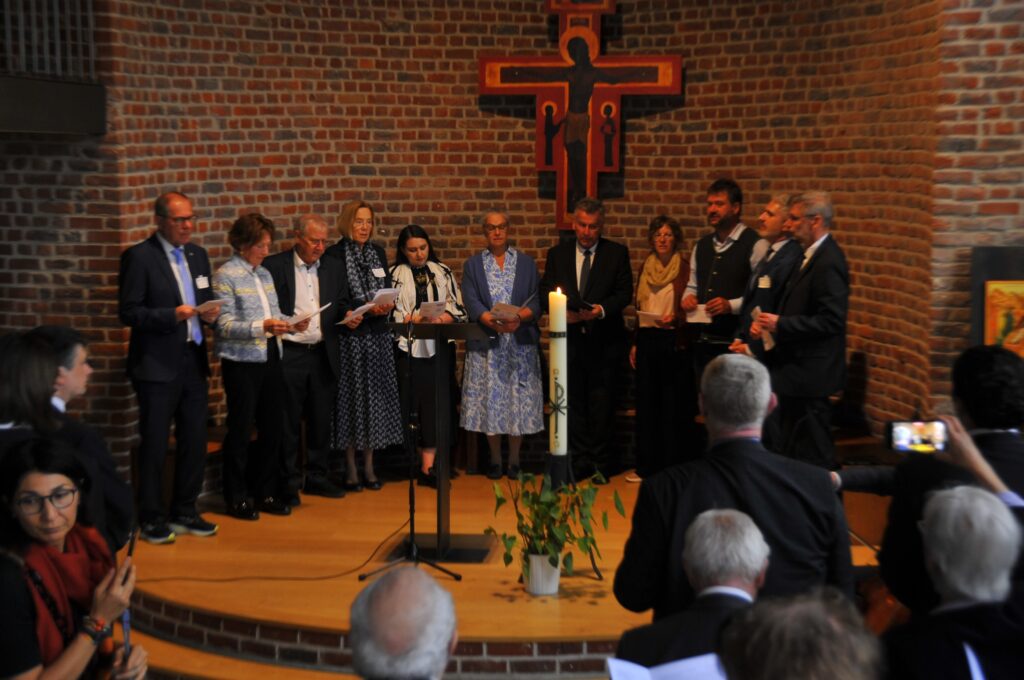
Photo: H. Brehm / K. Brand / M. Bacher