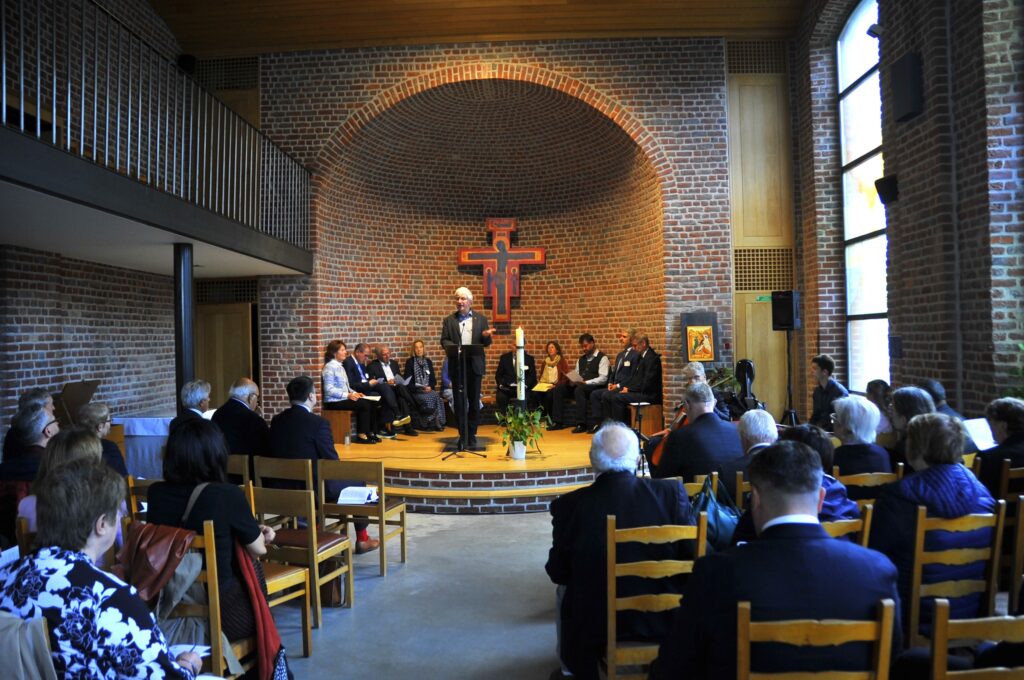
St Matthew’s Church in Munich is surrounded on three sides by the Nussbaumpark and borders Sendlinger-Tor-Platz to the east. A place in the centre of the city and yet surrounded by greenery: an ideal place for a meeting with the theme “Seek the Good of the City”. But the first impression is deceptive. It is not an idyllic place. A homeless man has spent the night on the steps of the Lutheran church and people are always asking for money at the church doors.
In St Matthew’s church, the topic discussed was this city. Exploring the best for this city, with all its contradictions. All over the world, cities are desired places. In a few years, half of humanity will live in cities. And the Christians? ‘Cities grow, but Christians often abandon them,’ Rainer Harter, director of the Freiburg House of Prayer, noted with regret. The TfE weekend had a decidedly different tone with over 200 participants, most of them from Germany, but also from Austria
Facing reality
The title of the event “Seek the Good of the City” is a biblical quote from the prophet Jeremiah. ‘Jeremiah’s words exhort us to accept reality as it is, without deluding ourselves or regretting the “good old days”, but above all without giving up hope for the future,’ said Janina Hiebel, an Old Testament expert, in her talk on Saturday morning, dedicated to an in-depth historical, spiritual and theological study of the title. She continued: ‘Seek the best and pray for the city, the country and the world in which you live, which also means: do not build enemy images, but overcome them. Preserve your identity without isolating yourself. God will allow Himself to be found by you, even and especially in the places you consider to be hopelessly distant from God”.
Deborah Dittmer, head of the Vineyard community in Munich, reiterated the same concept in her speech: ‘We have to abandon our victim mentality. We are not victims! We are not rulers either! We are salt and light for the world! This does not mean that we have to find everything good. But let us choose an attitude of love towards this world, society, people, accepting all existing problems and challenges; no attitude of fear, aversion or isolation’.
The city – a meeting place founded on love
In the main talk of the morning, Jesús Morán, Co-President of the Focolare Movement, illustrated how lay and spiritual thinkers have described the city over the centuries: as a place where the opportunities and limits of reason and justice are recognisable; a place that must be founded on love. Only then, according to Morán, connected by video conference, does the city become “a place of encounter between man and God. This is what the Christian vision of the city produces: the passage from rationality to relationality, from the rationale of the individual to the rationale of a community’. Christians, Morán continues, could “commit themselves to building, in the midst of the visible cities of our continent, those ‘invisible cities’ that are true prophetic portents of the Kingdom of God”. Read the full text in Italian>>o German>>
Already on Friday afternoon, during a discussion with ecclesial representatives and a politician, they had discussed what was “the best” for the city and how to recognise it. ‘Seeking the best for the city’ means giving a voice to those who would otherwise have none, helping the poor and weak to be heard, said Markus Grübel, member of the Bundestag from 2002 to 2025 and in charge of the federal government for religious freedom in the world from 2018 to 2021.
Seeking what unites
Jeremiah urged the people of Israel to seek the best for the foreign, indeed enemy, city of Babylon, emphasised Thomas Prieto Peral, Evangelical-Lutheran Regional Bishop of Munich. It is perhaps the oldest appeal to keep the common good in mind. All should be well. And so, according to Prieto Peral, our place is at the side of the people who are attacked, who are afraid, no matter who they are. Christoph Klingen, Vicar General of the Archdiocese of Munich-Freising, added: ‘Looking for the best means looking for what unites us. In this way, the witness of Christians for the city can shine brighter’.
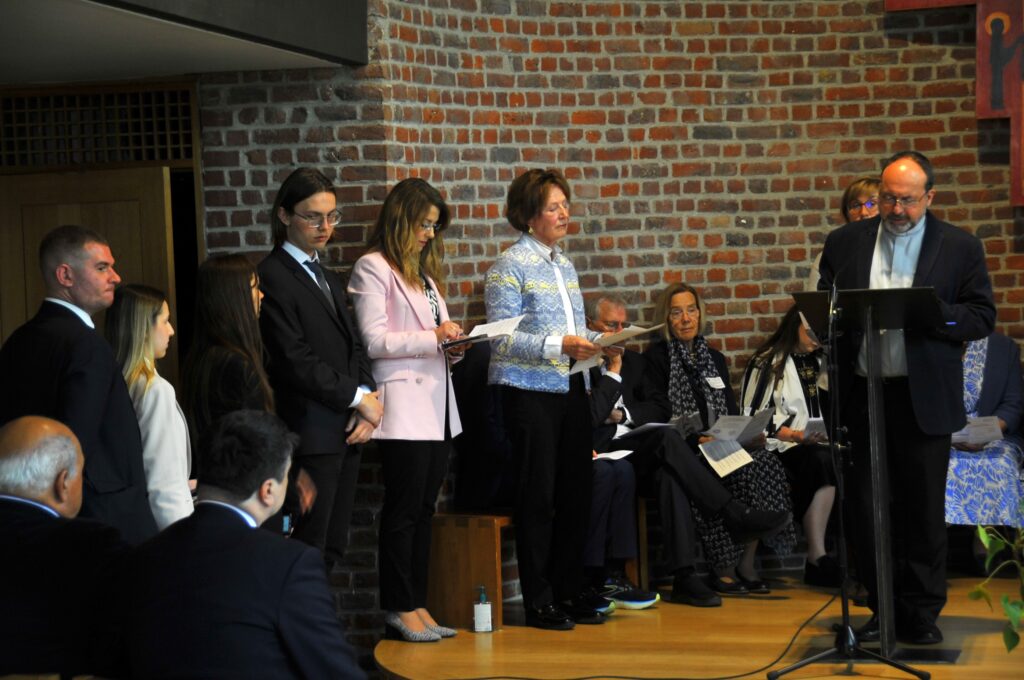
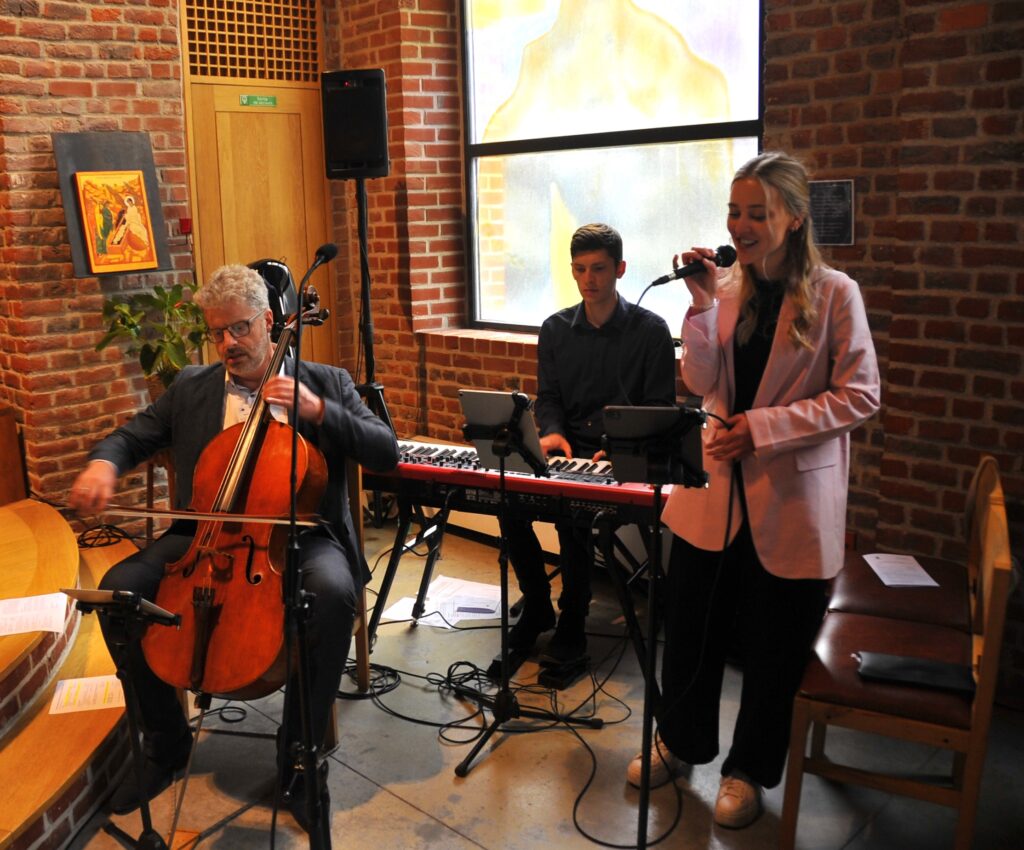
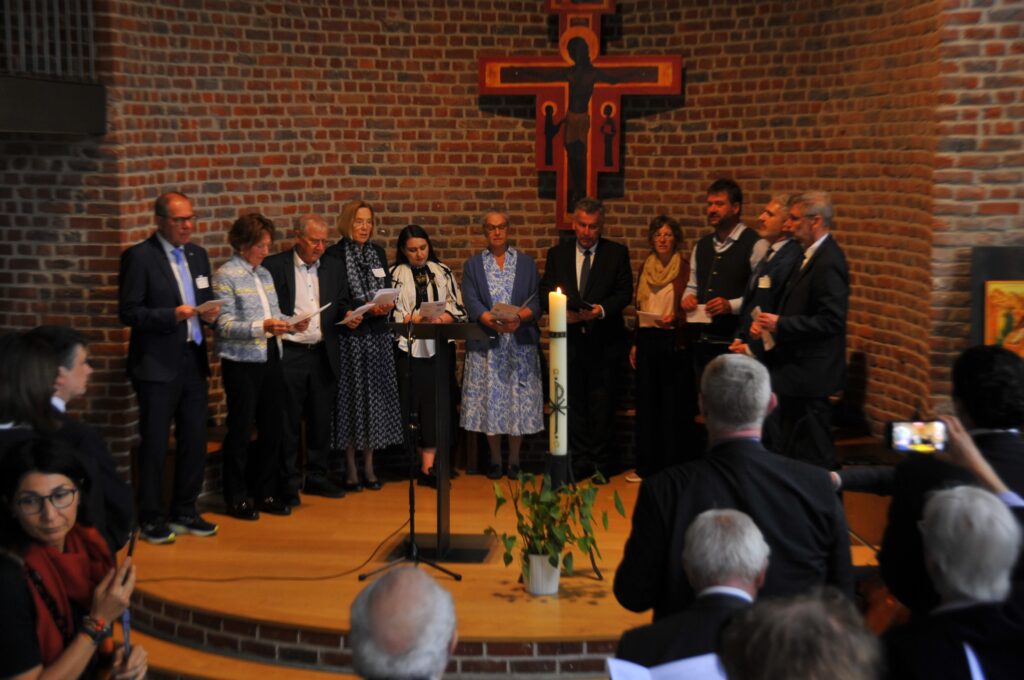
Inside St Matthew’s church, a large mosaic attracts attention. It depicts the “heavenly Jerusalem”, the city of God. In order to worship and honour this God, the programme included a lot of time for prayer and praise, organised by the “Lobpreiswerkstatt” (praise workshop) of the Immanuel community in Ravensburg. In his homily during the concluding service, Reinhardt Schink, president of the Evangelical Alliance in Germany, asked who had the power to achieve the best for the city. The elephant? The lion? His answer: no, it is the lamb. “On the cross, evil has lost everything. Life unfolds there where there is willingness to give oneself to others’.
The covenant of mutual love, the foundation of Togetherness, was renewed in Munich: “Jesus, we say yes to your commandment and renew our covenant of mutual love. We want to love one another, as you have promised. We pray thee, strengthen our love through the Holy Spirit and be among us, as thou hast promised. Work in us and through us, that we may be a blessing to our fellow human beings and serve the good of society”.
On the evening of 8 May 2025, people from different Christian communities and denominations gathered in front of their screens to participate in an event on Zoom, promoted by Together for Europe and the ‘Families’ Movement of Schönstatt, Austria’. Under the motto ‘For the future of Europe’, the online event offered a mix of reflections, personal testimonies and musical contributions.
A varied programme with moving speeches
The meeting opened with the profound reflections of Fr. Heinrich Walter, Schönstatt, who shared his long experience with Together for Europe: a glimpse into the spiritual depth and potential of this network at European level. Another highlight was a video message from Lukas Mandl, Austrian Member of the European Parliament. He described his vision of a united Europe, aware of its Christian roots and able to use them as a foundation for a peaceful future. Imo Trojan, an Evangelical, emphasised the importance of interfaith dialogue. His personal commitment and interest in the spiritual wealth of the different European countries was inspiring. Sascha Becker, YMCA Vienna, spoke of his vocation and faithfulness to the journey with Together for Europe: how important it is to find one’s place in the network and to contribute to it with passion!
Touching personal testimonies showed how talents and charisms of individuals and communities become visible and effective along the journey together. Musical contributions and prayers for peace and unity completed the programme.
Prayers for Europe in Innsbruck and Klagenfurt
Other signs of hope took place in Austria: in Innsbruck (8 May) and Klagenfurt (9 May), Christians from different Churches gathered for ecumenical moments of prayer for Europe. In Innsbruck, many were struck by the prayer of the Member of the European Parliament, Mag. Sophia Kircher, whereas in Klagenfurt, the piano performance of a Ukrainian pianist was a particularly intense musical moment, making the bond with the peoples of other countries tangible.
In remembrance of the Schuman Declaration, which 75 years ago laid the foundations for the European Union, biographical insights were offered into the life of a man whose Christian beliefs profoundly influenced his political vision.
Biblical texts and spiritual reflections invited recollection and opened a space for meditation. A final agape and personal exchange concluded the meetings, bringing out the desire for a reconciled coexistence between the Churches and peoples of Europe.
A continent in transformation needs people with faith, hope and reconciliation.
On the occasion of the 75th anniversary of the Schuman Declaration, the city of Strasbourg organised a fair with entertainment for children and some 20 stands run by pro-European institutions and associations. All this was in the context of Europe Day.
The Committee of Together for Europe in Strasbourg decided to participate in the event.
First and foremost, this helped to strengthen the group, both in the preparation and management of the stand. In addition, it enabled interesting contacts and important discussions with the public. It was also an opportunity to forge links, in particular with other exhibitors at the fair. This broadened our dialogue with associations that are committed on a civil level to a more solidarity-based European project.
The event concluded with an ecumenical celebration at the Temple Neuf, a Lutheran church in the centre of Strasbourg. At a historic moment when war has returned to Europe’s doorstep and the European project seems threatened, Orthodox, Catholic, Evangelical and Anglican pastors and faithful gathered for a moment of prayer. It centred on the words of the Schuman Declaration and reiterated the common commitment to peace. A future of peace in Europe and in the world – so it was said – will depend on those who know that they are heirs to a strong history and are committed to living in fraternity. This is the best way to help realise Europe’s motto: ‘United in diversity’.
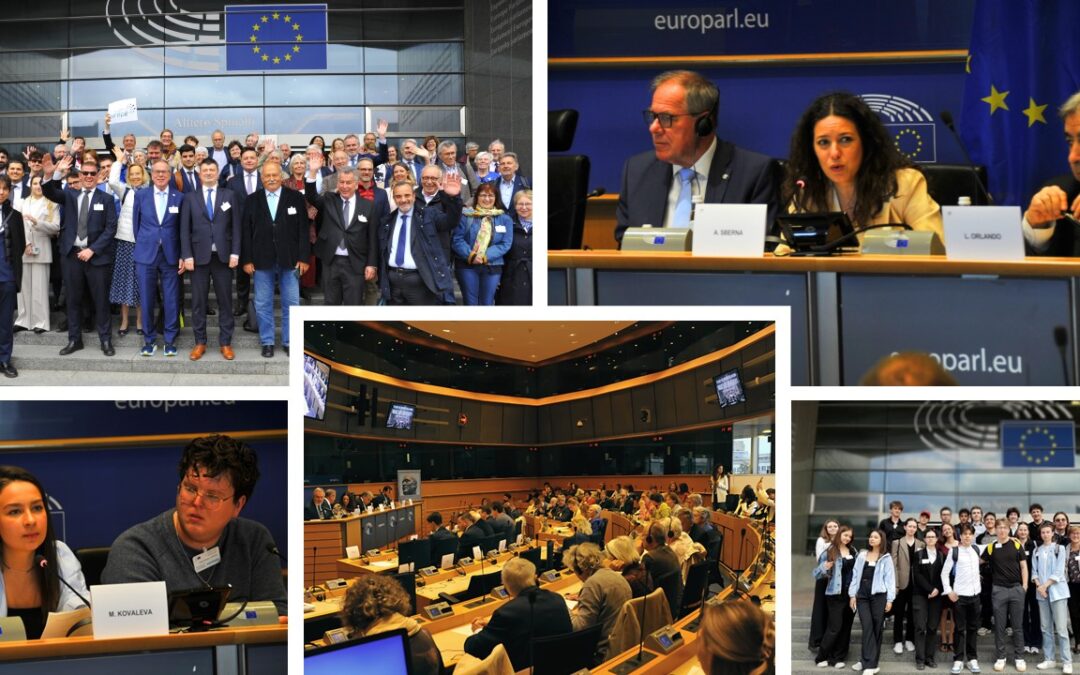
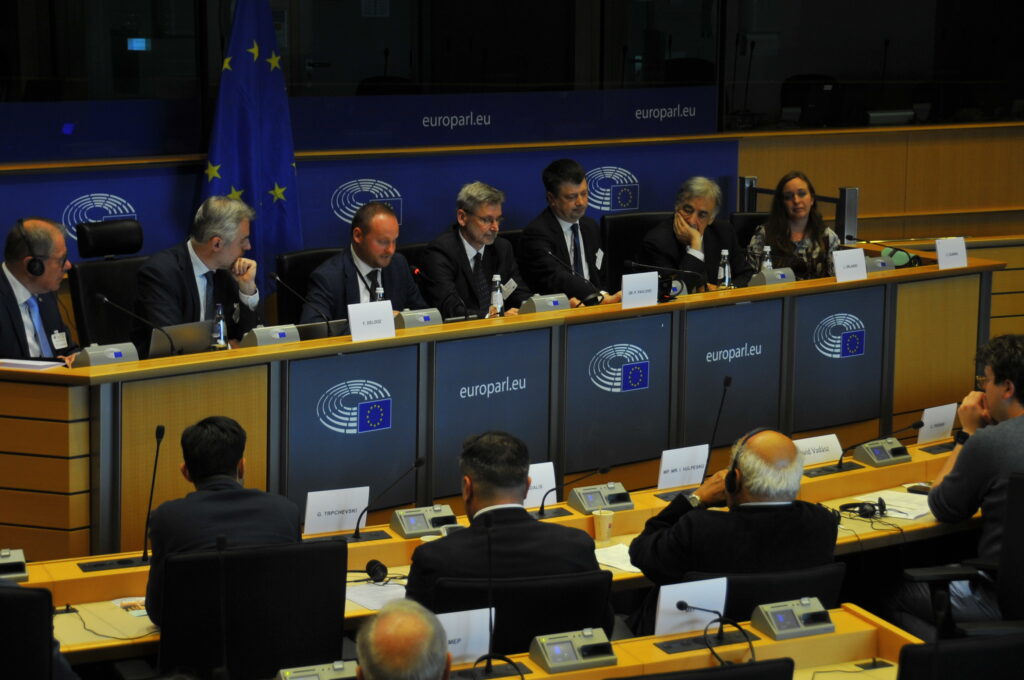
Brussels, 15 May 2025 – Europe continues to be the talk of the town, at the centre of international tensions and heated debates, the outcome of which affects the lives of its citizens: almost half a billion of them are citizens of the European Union. Peace versus defence, war or commercial peace, choices on energy, development policies and social justice, identity and diversity, openness and borders: the issues on the agenda are numerous and, in the face of changes in the internal and external scenario – first and foremost the war in Ukraine -, the re-reading and updating of the prophecy of Robert Schuman and the founding fathers is not only topical, but necessary.
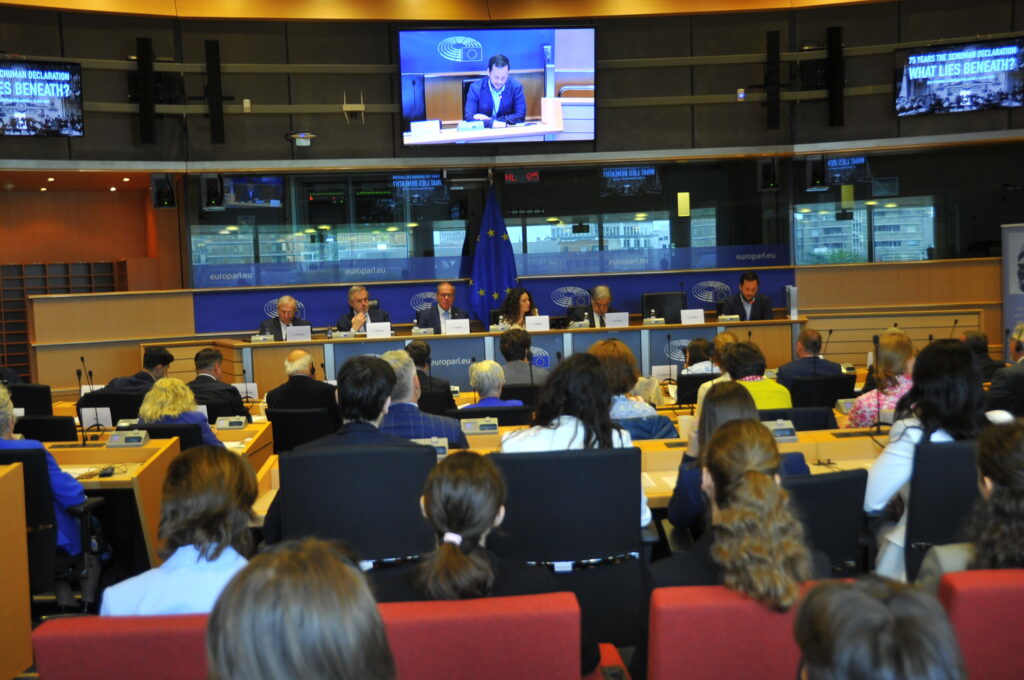
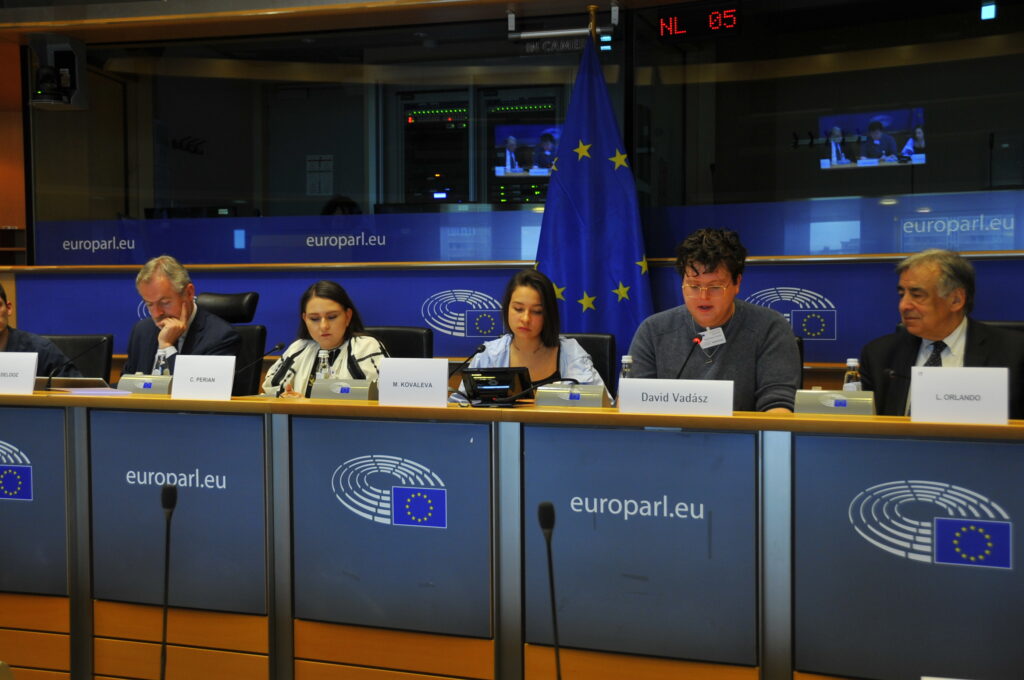
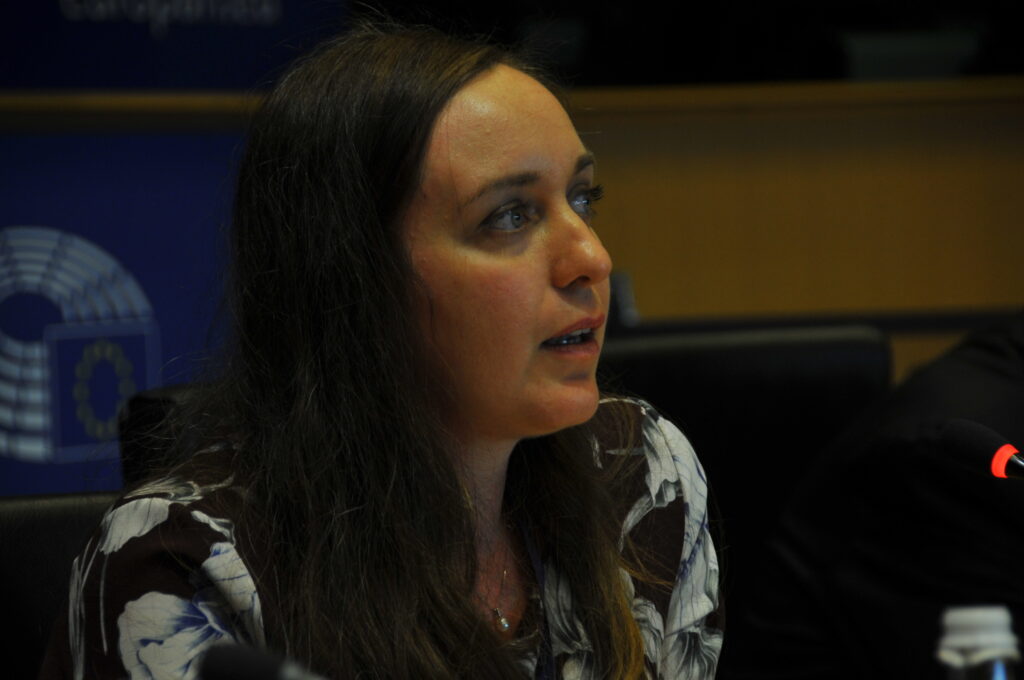
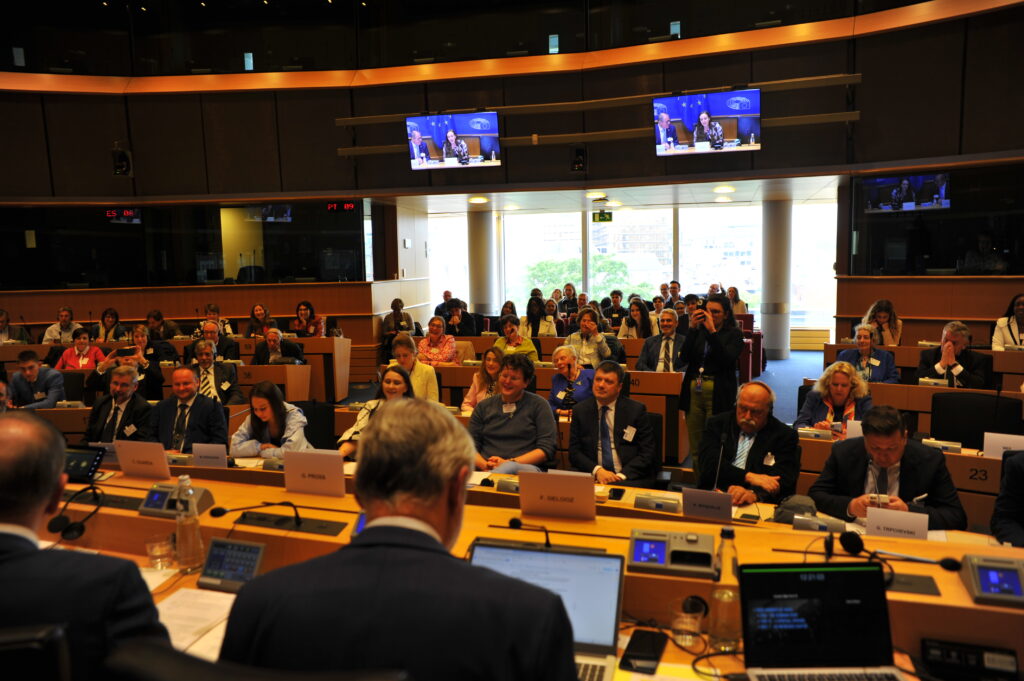
Seventy-five years have passed since the then French Foreign Minister delivered his revolutionary speech in Paris on 9 May 1950, laying the foundations for the European integration process. Today, in the European Parliament building in Brussels, a panel of experts, representatives of various Christian Movements and young activists gave voice to the vision of European unity as an instrument of peace.
Different Churches and Movements from various countries in Europe
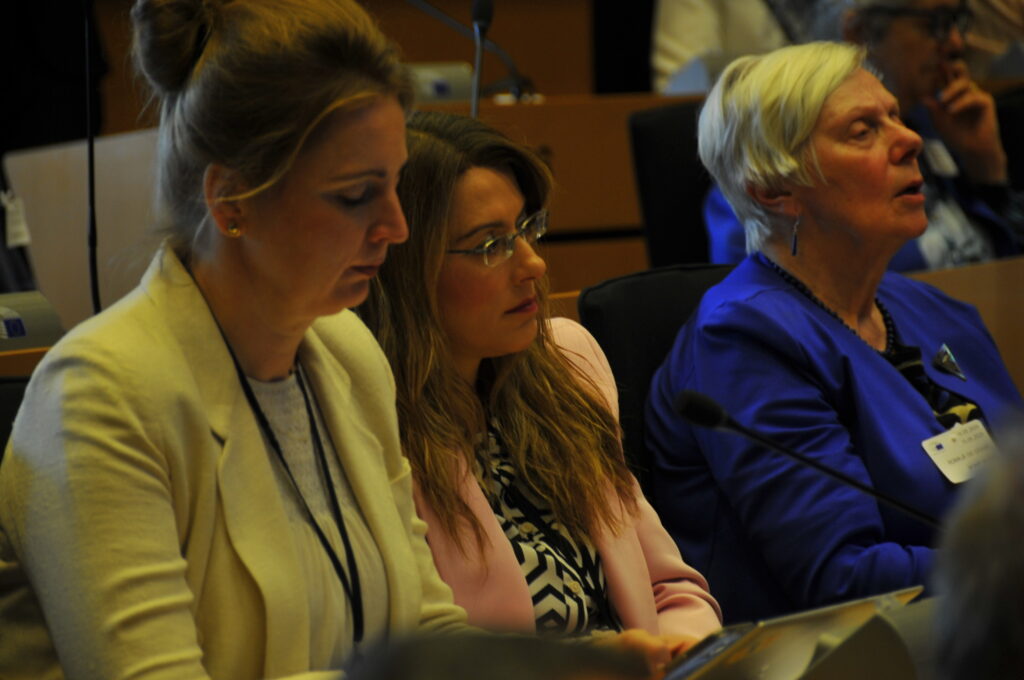
The event took place on the initiative of Together for Europe (TfE) together with a number of MEPs, at the invitation of Slovakian MEP Miriam Lexmann – who was absent for family reasons – and brought together on the morning of 15 May, some 100 people from Belgium, Italy, Germany, Holland, Slovakia, Austria, France, Greece and Romania. In attendance were Catholic, Orthodox and Reform Church Christians; representatives of the Immanuel Community, YMCA, Focolare, Schoenstatt, Sant’Egidio, Quinta Dimensione, Pope John XXIII Community: the typical variety of the TfE network. The moderator of Together, Gerhard Pross, witnessed the beginnings: ‘For us it is important to express the power of faith in shaping society. However, we are not interested in power or domination, but in bringing the hope, love and strength of reconciliation and togetherness inherent in the Gospel’.
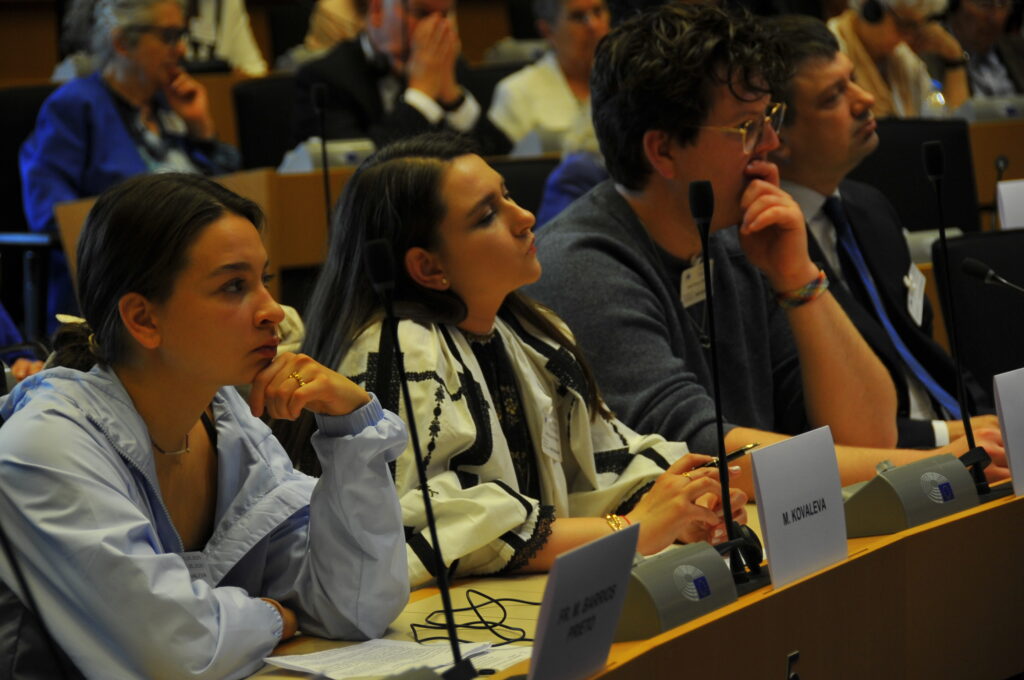
High school and university students experience European dialogue, institutions and spirituality
Among the audience – and among the speakers – a strong youth component stands out: 20 from the Spojená škola Svätá rodina high school in Bratislava. They study active citizenship and European law. They are in Brussels with their professors, for an experience that may mark their professional and life path. Among them, Maria Kovaleva: ‘I come from Russia and for me Europe means being able to be here, regardless of where I come from or the political situation in my country or in Slovakia, and to speak freely – right here, in the heart of Europe. For me, Europe has always been a place where it doesn’t matter what religion or nationality you have. Everyone has the right to speak, and to speak without censorship. This is the kind of Europe that Robert Schuman dreamed of’.
Peter, 16, says he is genuinely amazed, finding himself for the first time in an institutional location where important decisions are made. He is the student representative and what he experienced in Brussels is for him an inspiration for the future, in which through management or engagement in politics he can play a leadership role.
Samuel is 17 years old. He calls these days ‘an extraordinary experience to find out more about the rest of Europe, how politics works, how Parliament works; I think I can speak for the whole class: it was extraordinary!’.
Another student representation came from Italy. They are 10 students of political science and international relations from LUMSA, in Rome. Daniele, a first year political science student, is particularly impressed by the moment in the afternoon: the ecumenical prayer in the ‘Chapel for Europe’. ‘I like Chiara Lubich’s work, building bridges to bring everyone together, and you could see the commitment in everyone present. It is not a meeting between dreamers, but a concrete search that leads to something solid’. For Diego, it is a moment in which memory is renewed and leads to continuity. He is inspired by the globality that one breathes in Brussels, ‘a starting point for future developments’ and particularly appreciated the interventions of the MEPs.
The appeal of MEPs to young people and Movements
Present in the morning were Antonella Sberna (European Conservatives and Reformists), Vice-President of the European Parliament and responsible for the implementation of Article 17 TFEU,Leoluca Orlando and Cristina Guarda (Greens). ‘You are the example of what the EU can do for our peoples and civilisations,’ says the vice-president, addressing Together for Europe. And she invited the young people present to ‘be critical, but passionate’, to ‘study Europe well’, to be ‘together in the service of correcting what we do not like and guaranteeing peace within our borders, as an example of the union of peoples while respecting sovereignty’.
Leoluca Orlando invites to ‘grasp the project of the future that lay in Schumann’s action, cultivating a restless memory’ and recalls the principle of fraternity, which overcomes the historical polarisation between right and left on freedom and equality. And as an example of fraternity he reports ‘the prophetic experience of unity between Catholics and Lutherans, thanks to Chiara Lubich’s intuition, in Ottmaring, Bavaria, a place in the heart of the Thirty Years’ War’.
For Cristina Guarda, peace is the key word: ‘As Christian Movements I ask you to be part of this discussion, and to demand our consistency in the search for peace. And therefore make right choices and vote correctly, to respect peace’.
Accompanying Europe to realise its vocation
And it is precisely to a project of peace that Schuman’s Declaration aspires: Jeff Fountain, of the Schuman Centre, offers an interpretation of the spiritual foundations of the Declaration, of his ‘courageous three-minute speech’: ‘his project was not just political or economic. Read at a deeper level, the Schuman Declaration reveals that the project is deeply moral, spiritual, rooted in the values of the heart’. ‘The institutions he helped inspire – however imperfect – are a defence against a return to the politics of domination and exclusion, of fear and hatred’.
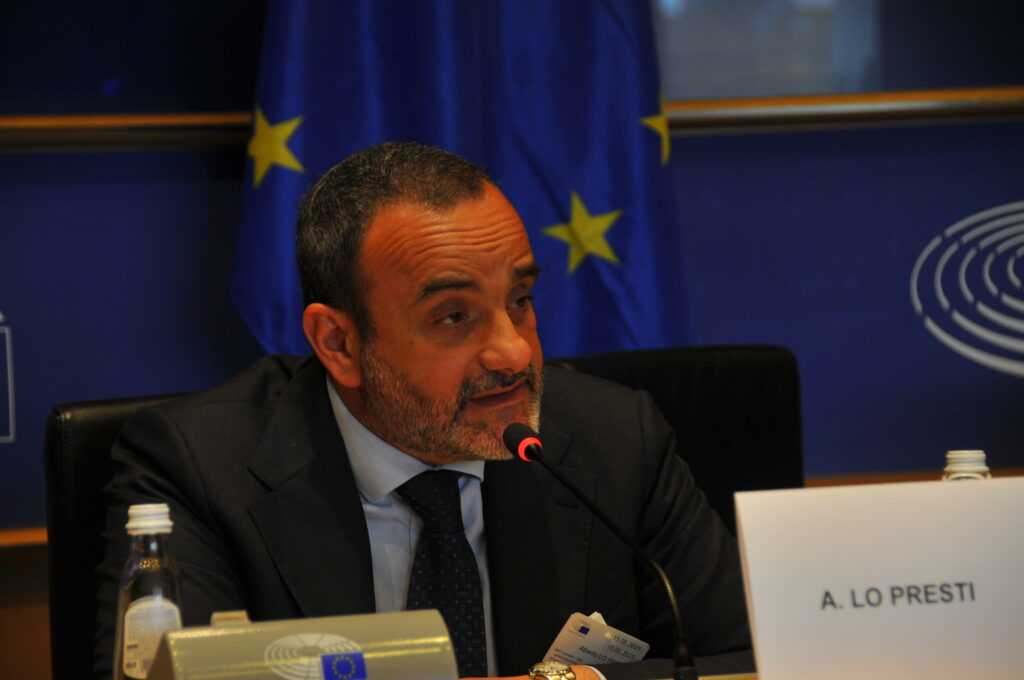
But who should give Europe a soul?Alberto Lo Presti invites us to reflect. ‘We should not expect such a soul to be produced by European political institutions and passed on to its citizens. I would not want to live in a society in which the institution inculcates a worldview in my brain. This is usually done by the totalitarian political organisations that we have also known well here in Europe: for example, Nazi-fascism and communism. The soul of the European Union will be seen when that soul is visible in the daily choices of its citizens. As Together for Europe we want to accompany Europe to the realisation of its vocation’.
In the Protomoteca Hall: Memory – Today – Prophecy
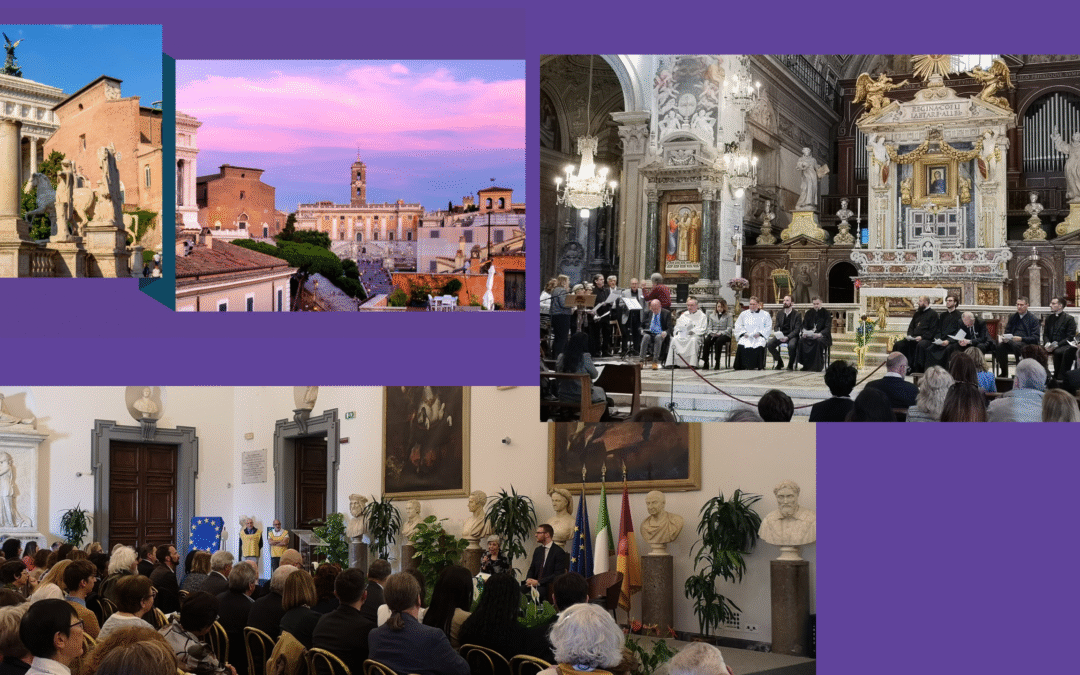
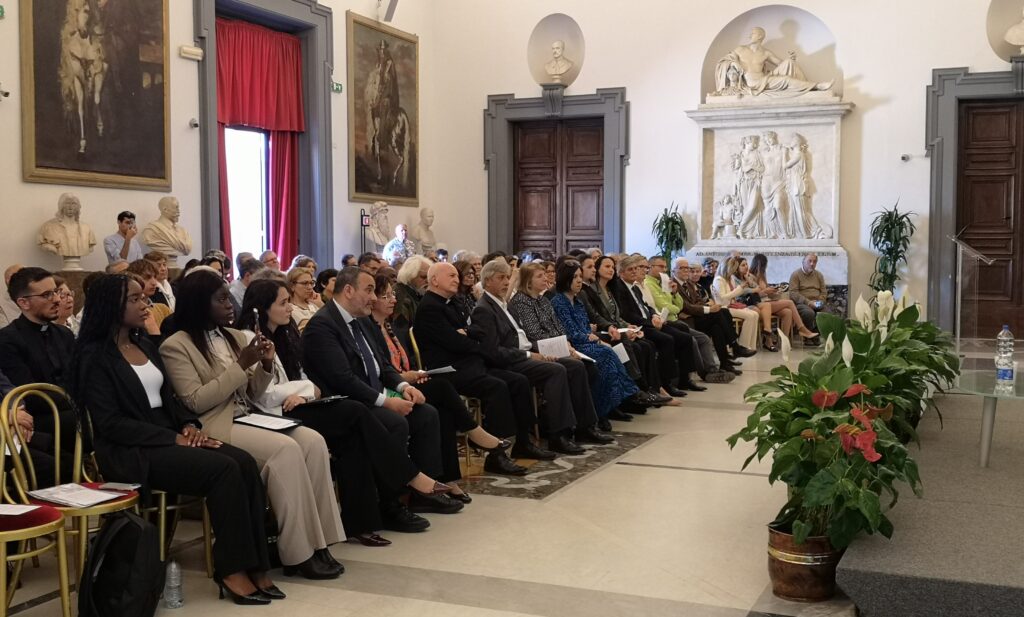
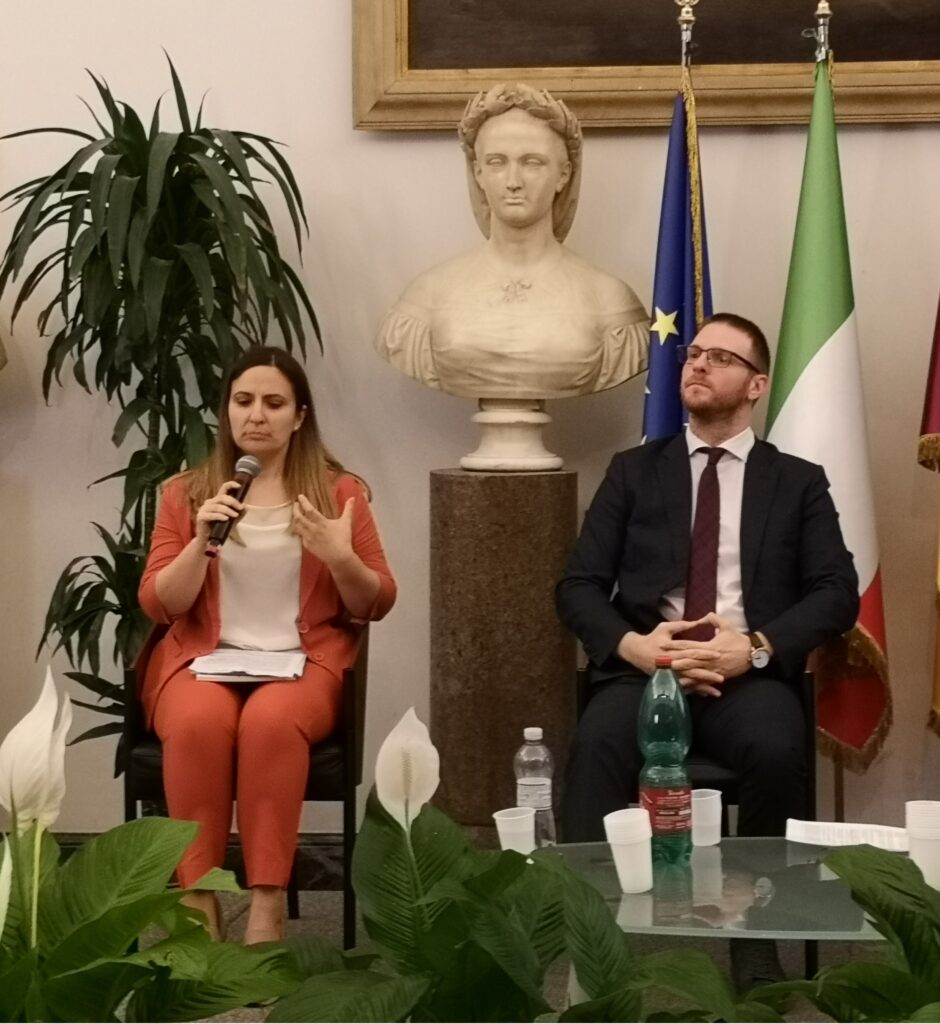
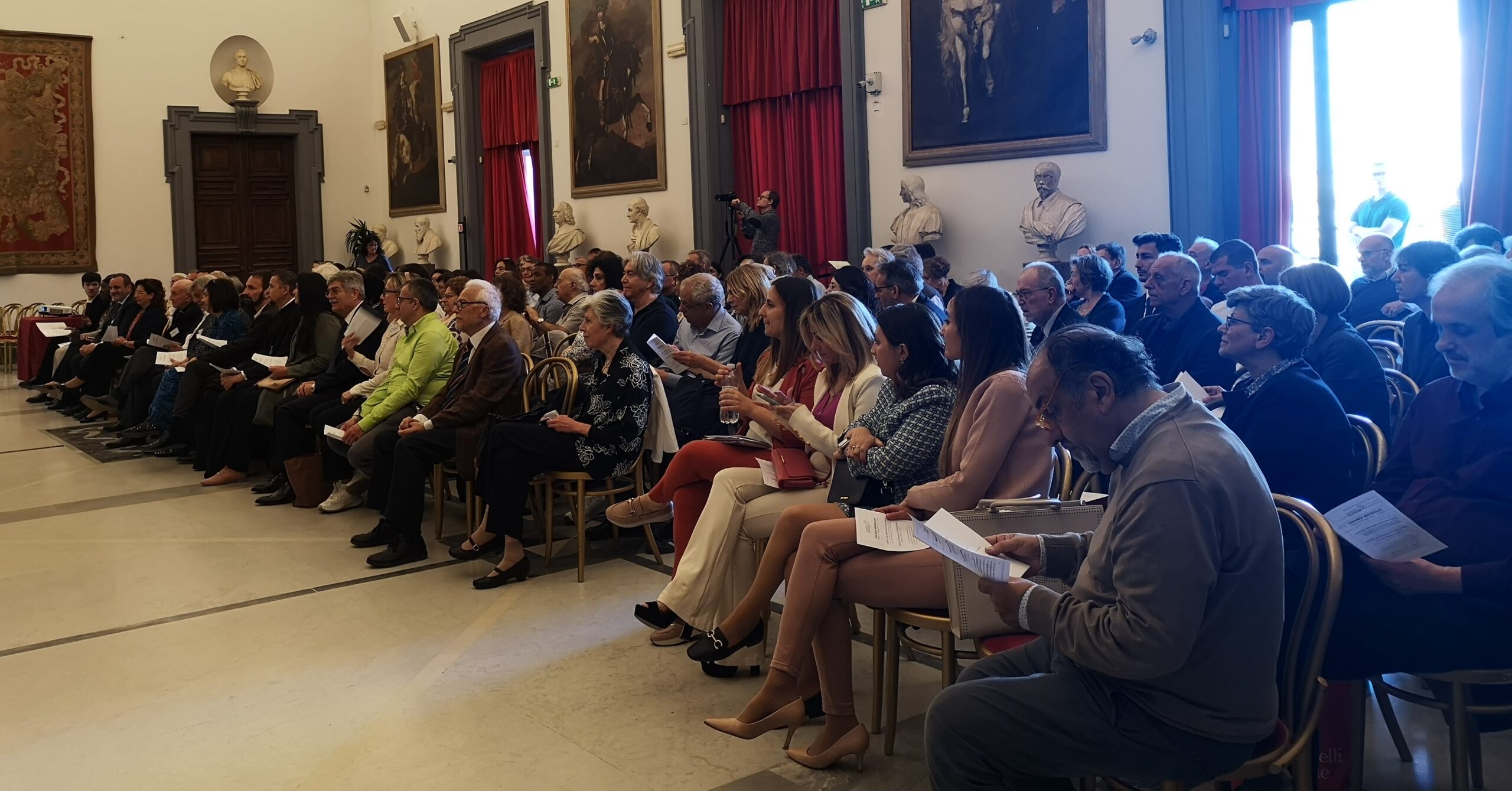
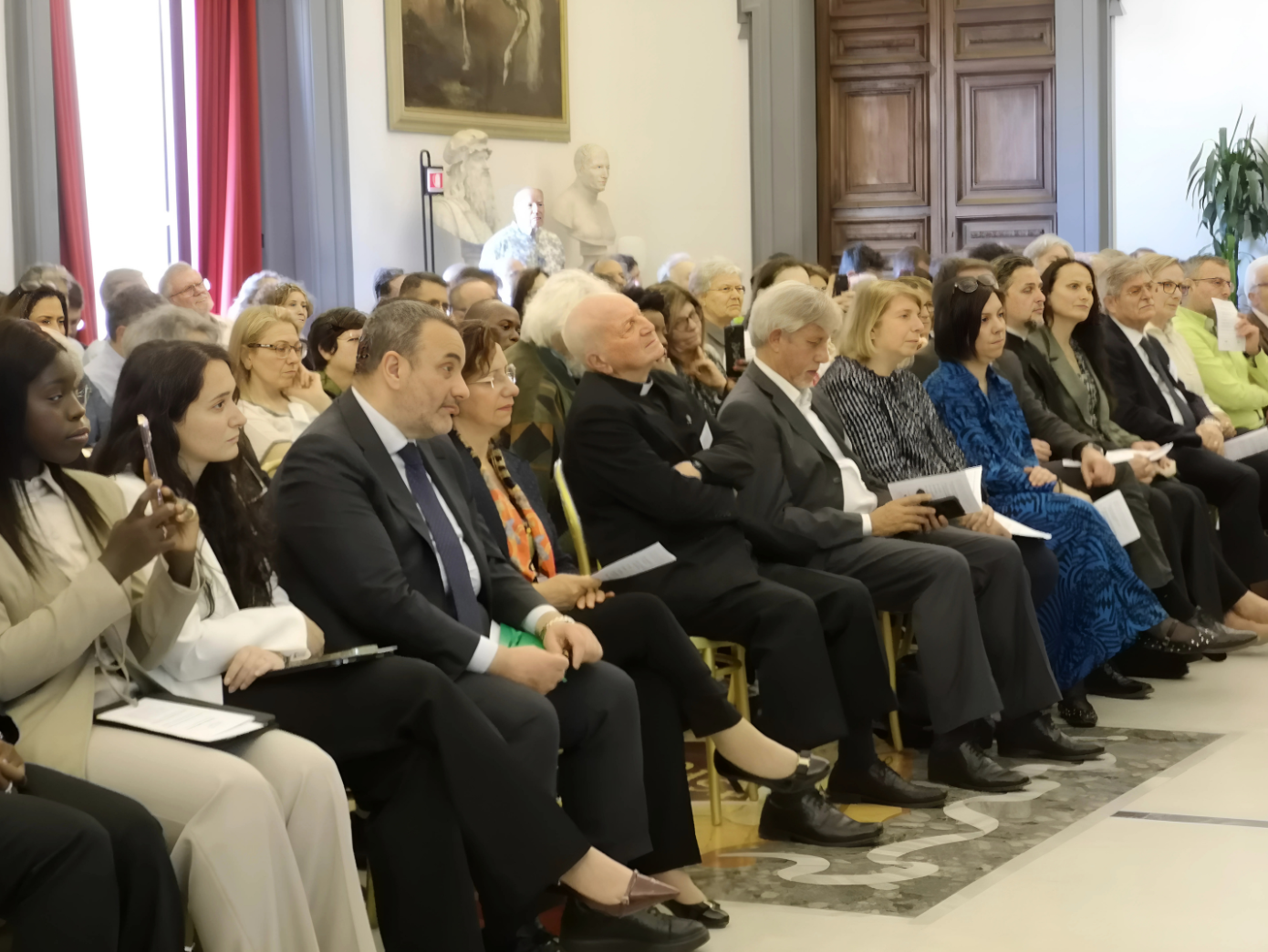
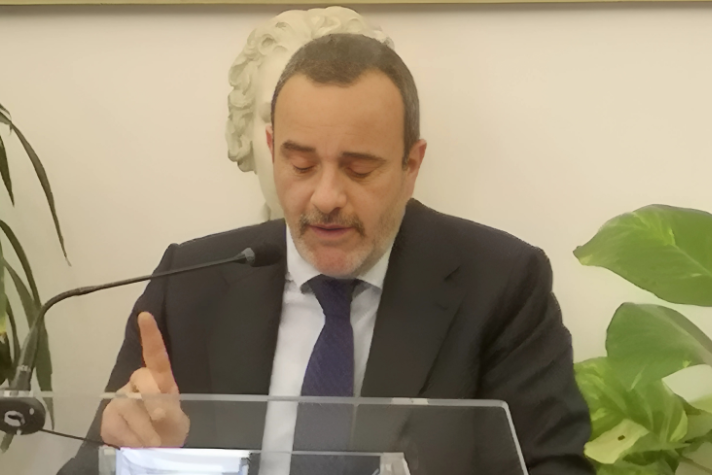
A Europe that remembers, that questions, that looks to the future and that prays: this is the vision that emerged at the event ‘Europe between memory and prophecy – 75 years after the Schuman Declaration’ promoted by Together for Europe that took place in the solemn setting of the Protomoteca Hall in the Capitol. The initiative, supported by the European Commission Representation in Italy and the Municipality of Rome, brought together scholars, young people, institutional representatives, representatives of the Orthodox, Anglican, Methodist, Waldensian and Catholic Church for an in-depth dialogue on the present and future of the continent.
The conference was opened by researcher Federico Castiglioni, who moderated the intense programme. After the Hymn of Europe, journalist Carla Cotignoli introduced the path of Together for Europe, born from the desire to combine European identity with shared spiritual values.
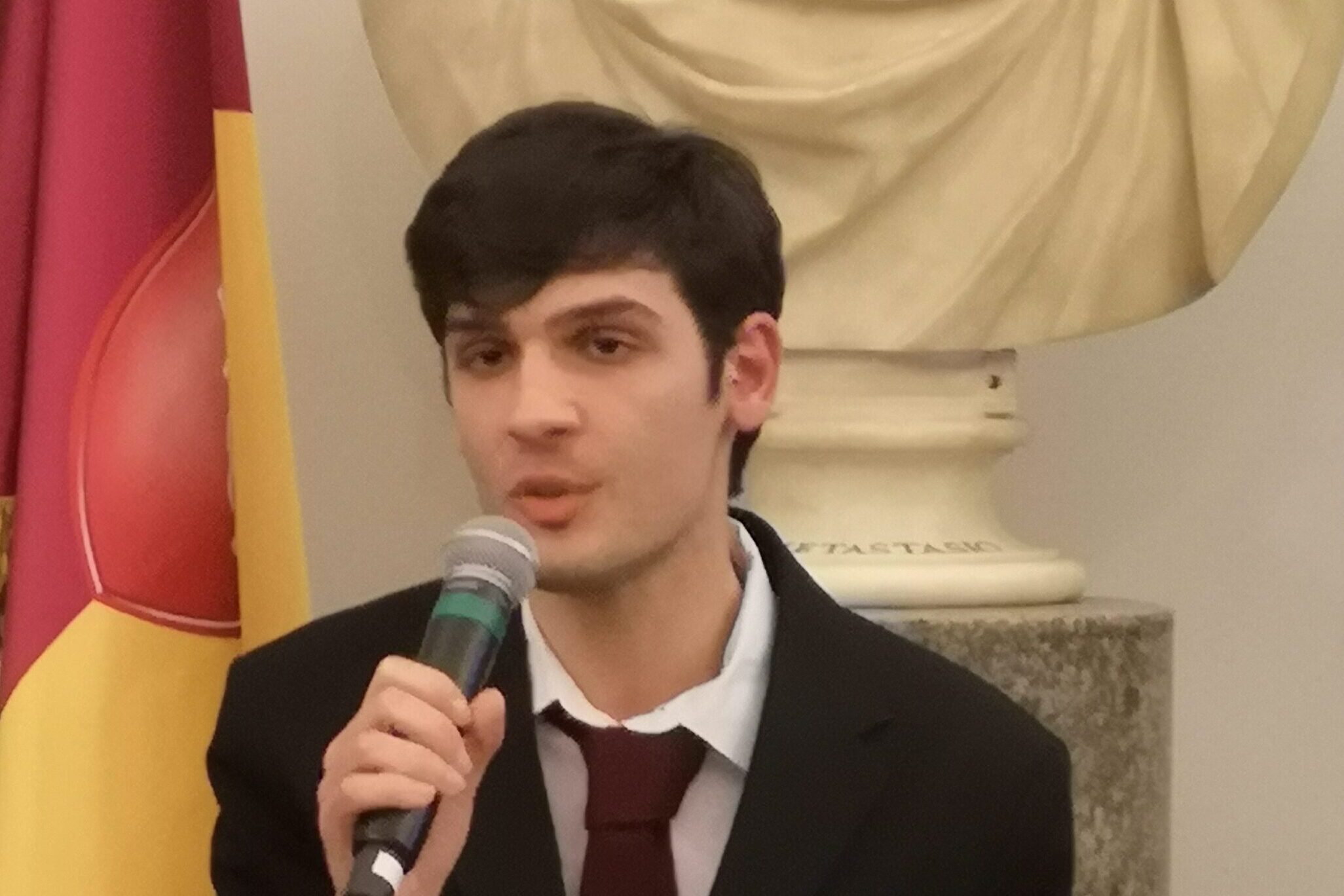
The programme was then divided into three moments: Memory, Today, Prophecy. During the first part, dedicated to Memory, young Carmine Maraio and historian Maria Pia Di Nonno offered a lucid look at the construction of a European identity. Particularly touching was the video remembrance dedicated to David Maria Sassoli, an emblematic figure of an open and solidarity-oriented Europe.
In the Today segment, Vaticanist Riccardo Cristiano and Megalizzi Foundation ambassador Giulia Covalea presented new European initiatives with a focus on youth participation and intergenerational communication.
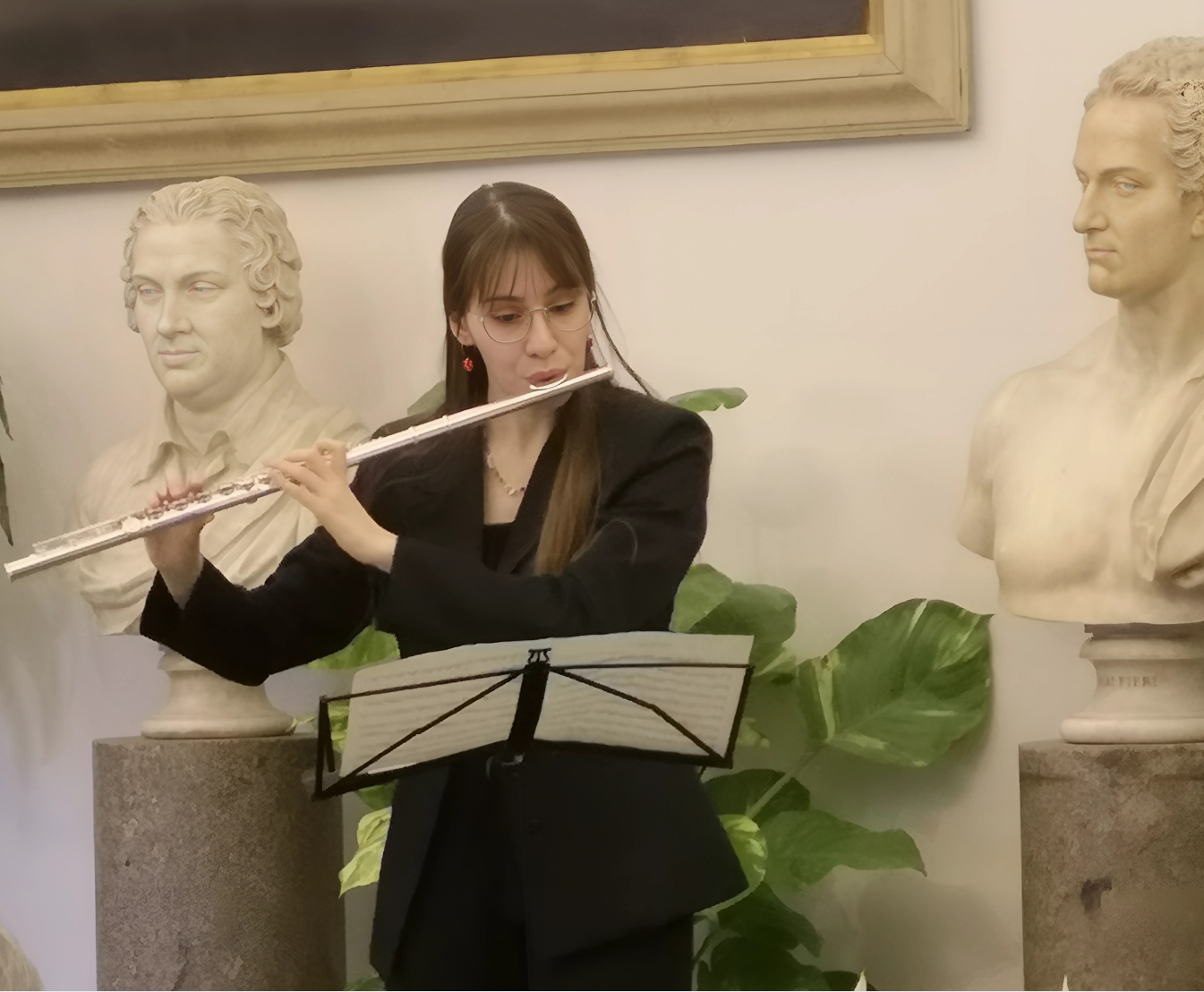
A musical interlude provided by flutist Giulia Valenti gave the participants a moment of artistic reflection.
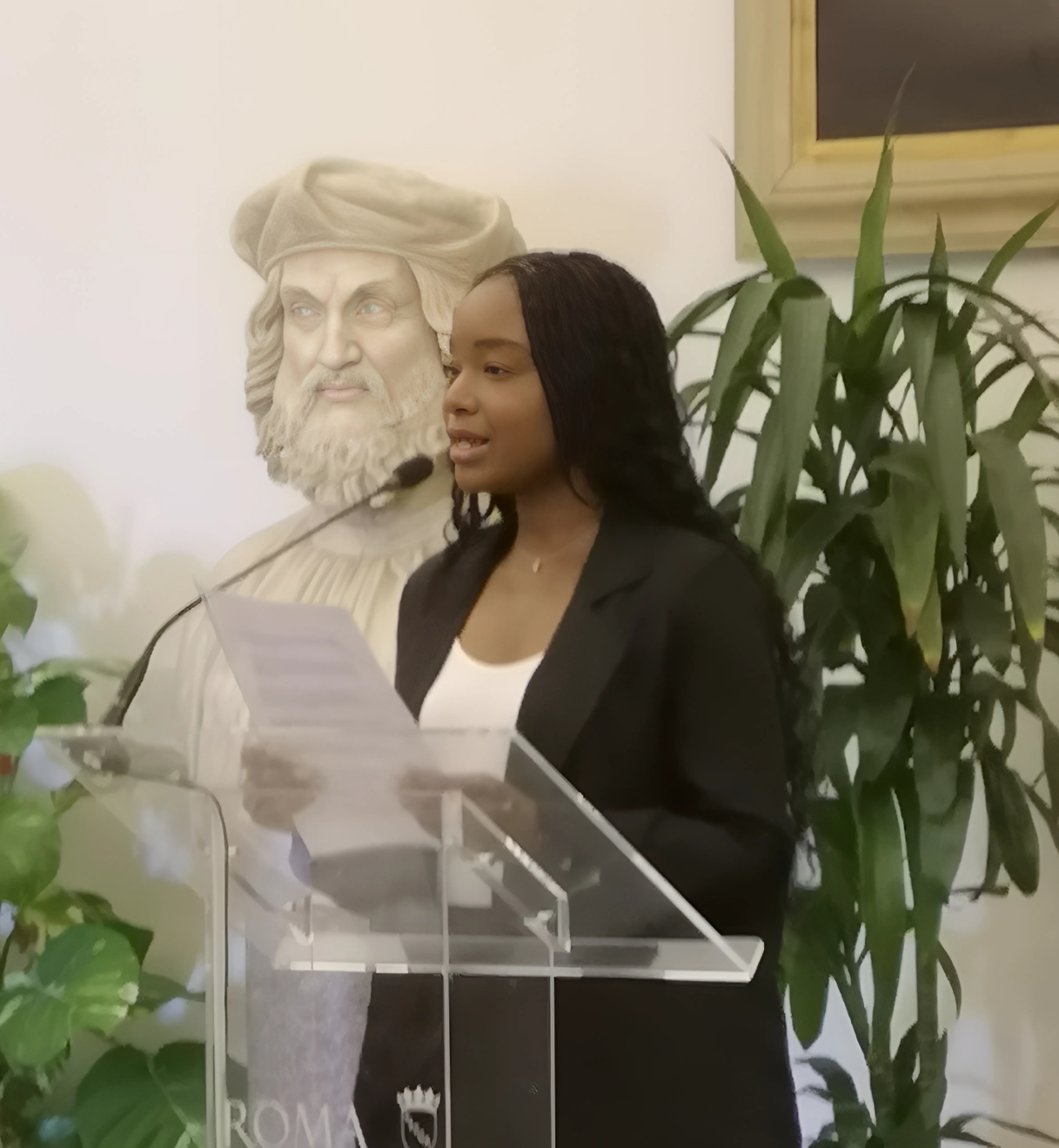
The third and final moment, Prophecy, aimed to cast our gaze into the future. The speeches by Angèle Mulibinge Kaj and Prof. Alberto Lo Presti evoked the need to rediscover Europe as a space of spirituality, welcome and responsibility.
Prayer time in the Basilica Santa Maria in Aracoeli
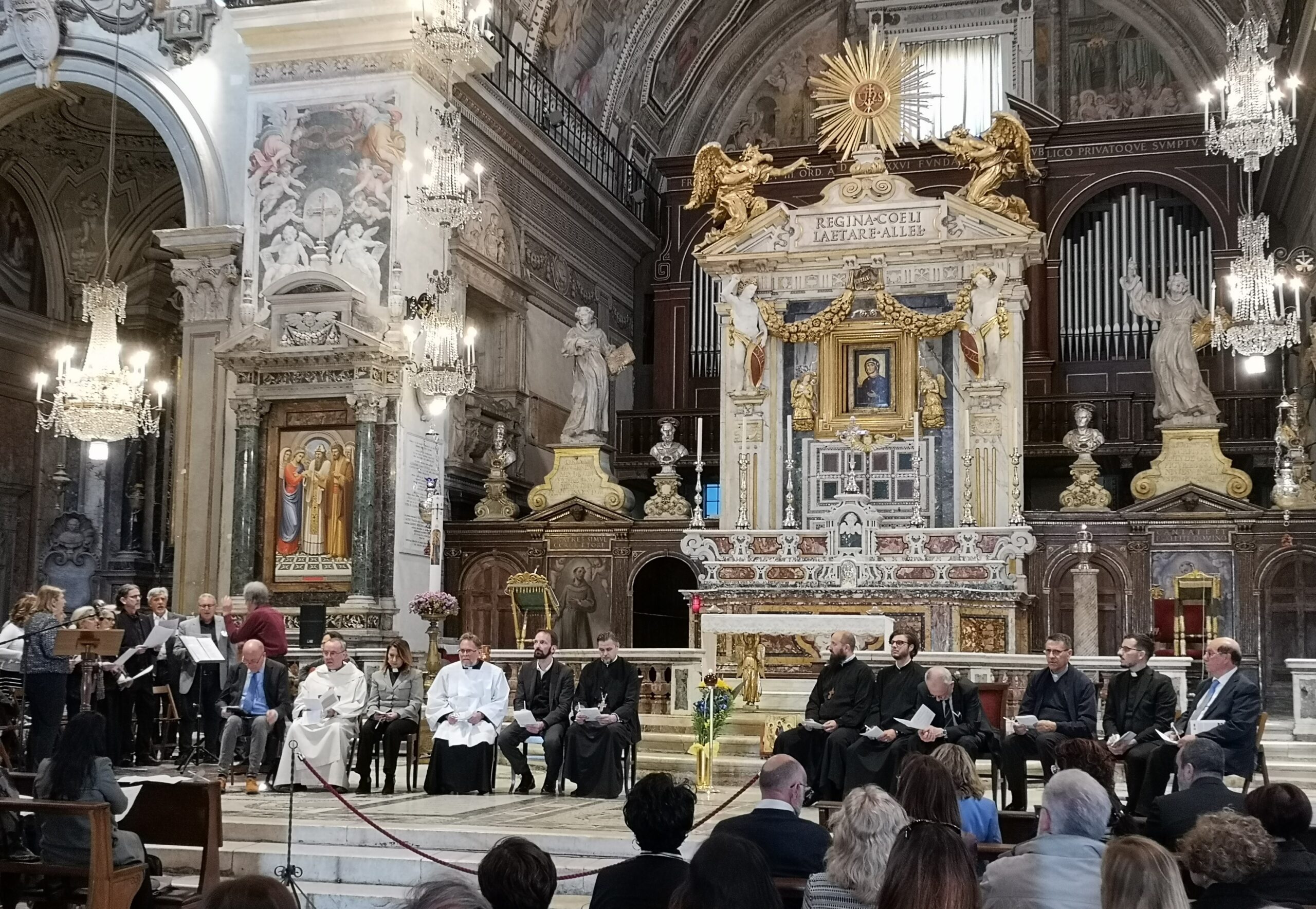
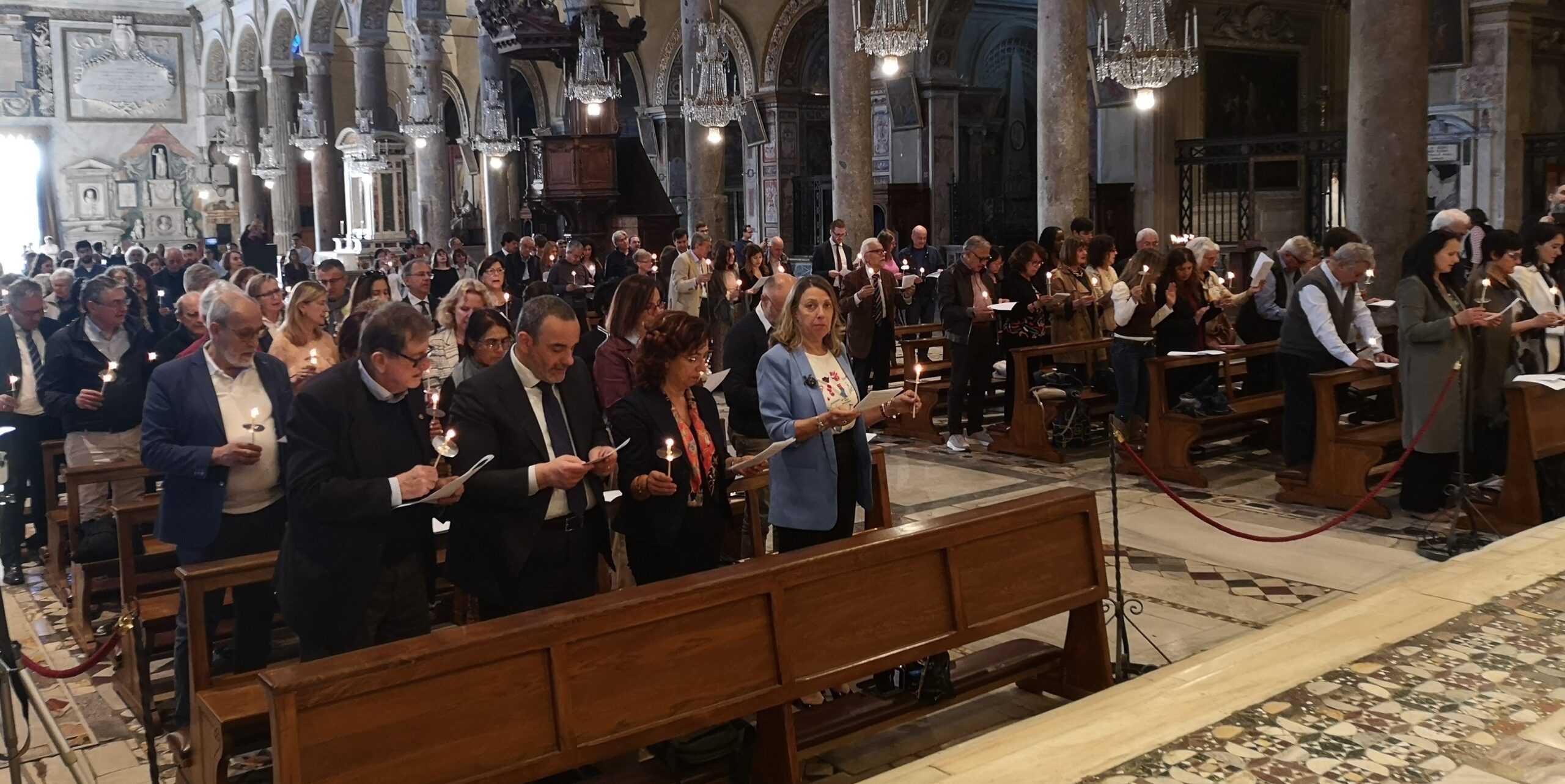
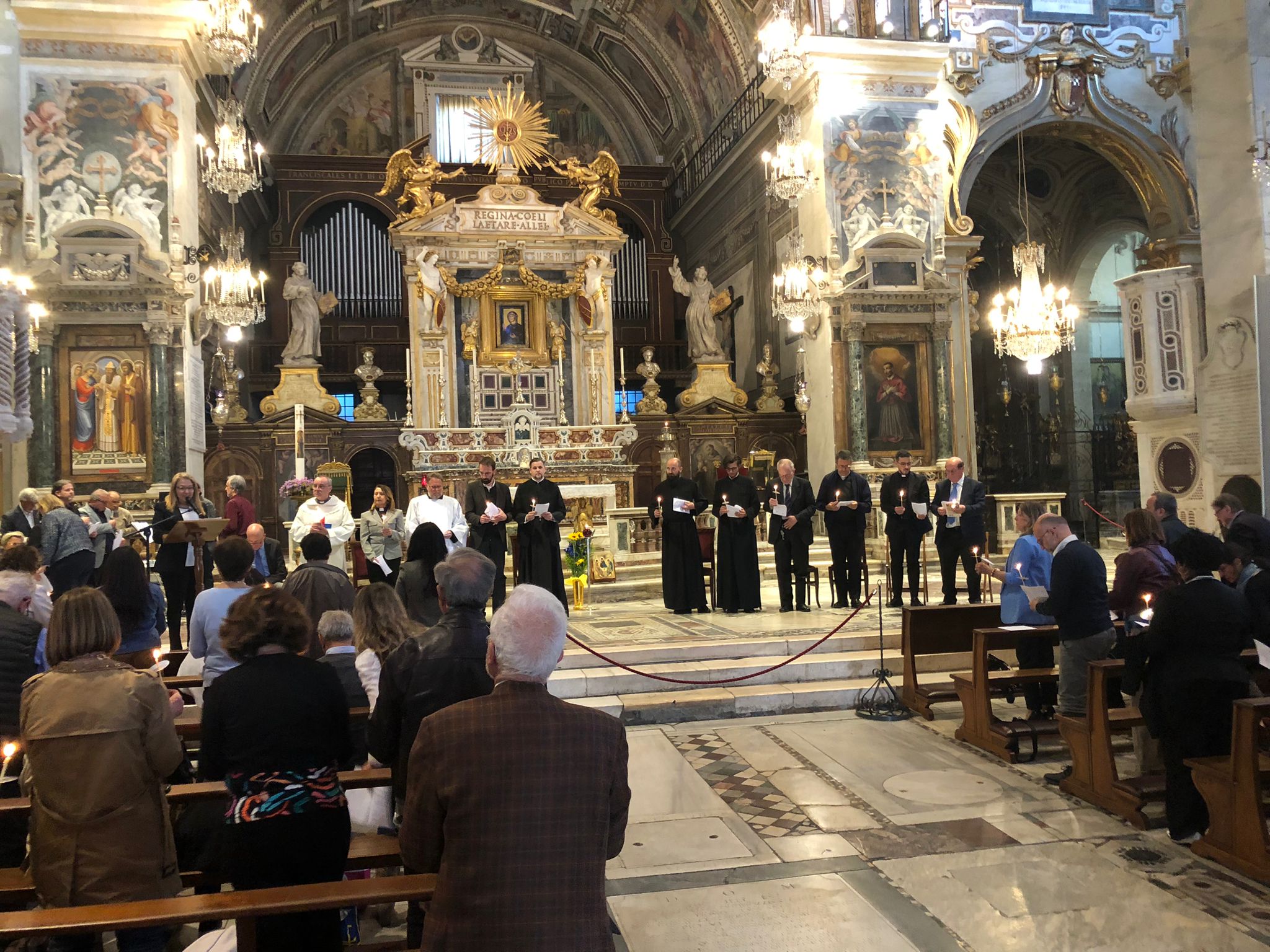
The atmosphere became more intimate and profound with the ecumenical prayer in the nearby Basilica Santa Maria in Aracoeli, led by representatives and ministers of different Christian denominations.
From the biblical texts read by Orthodox, Protestant and Catholic voices, to the interdenominational prayers, from the songs of the ecumenical choir composed for the occasion to the evocative ‘Sign of Light’ brought by the young people, this moment bore witness to a possible spiritual unity that transcends borders and differences. At a time marked by fractures, wars and uncertainties, the message launched by the event is clear: building a Europe of peace, solidarity and justice is not only necessary, but also urgent.
The event culminated with an interfaith blessing and a choral song: a symbol of communion between peoples, languages and faiths, in the knowledge that Europe can only find itself ‘together’.
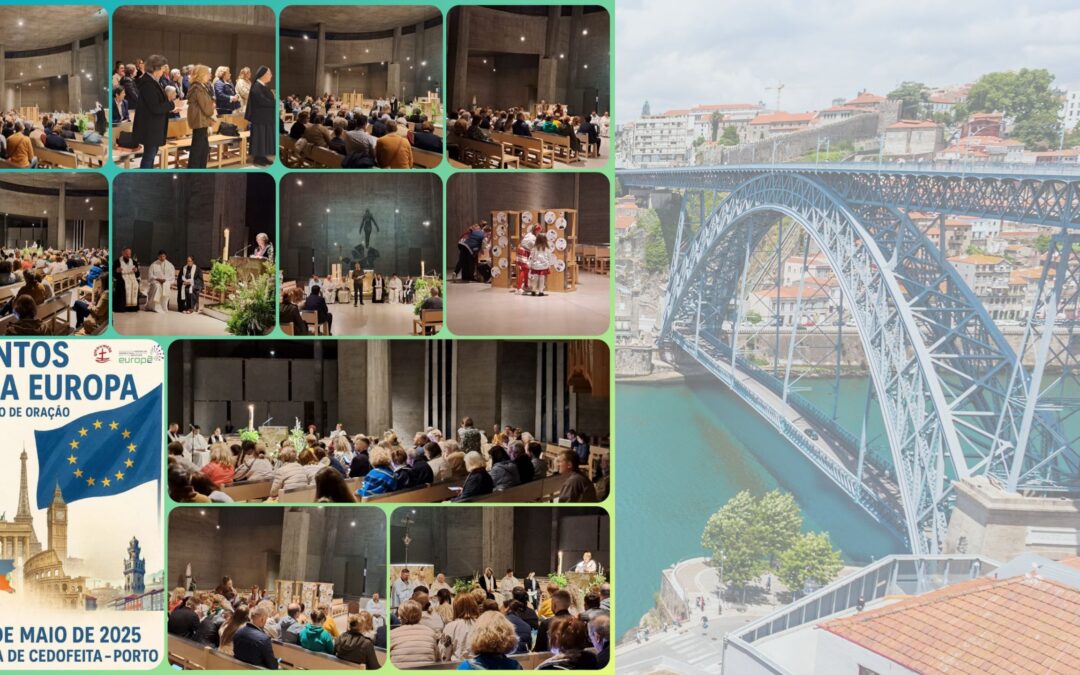
Together with representatives of the different Christian Churches, we gathered in a moment of intense spirituality to invoke peace, light and courage. A shared wish: that all men and women of goodwill may become true builders of bridges between peoples.
It was a simple but deeply meaningful meeting. In an atmosphere of fraternity and recollection, the Churches, Movements and Communities present raised their common prayer for Europe and for peace in the world.
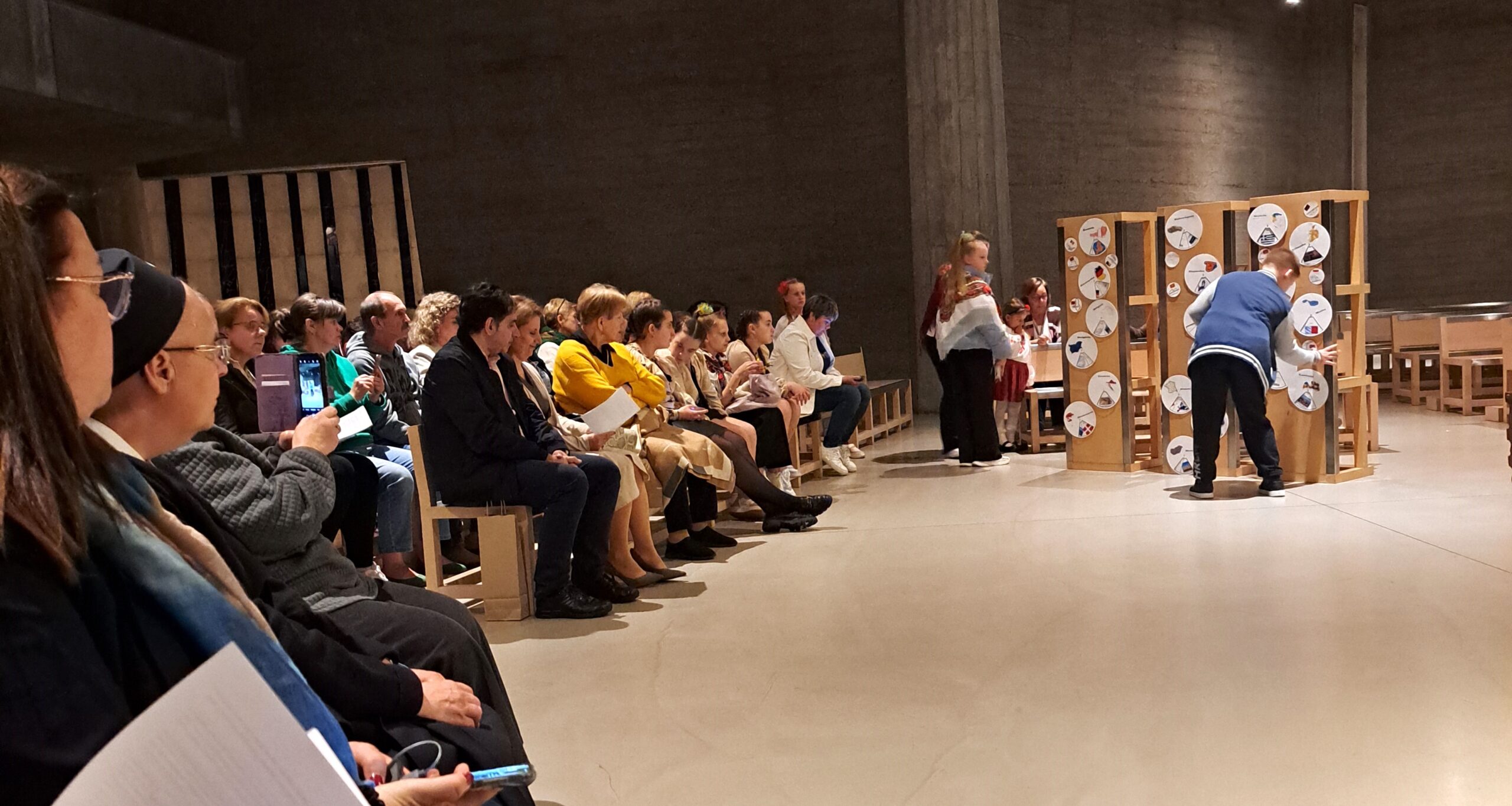
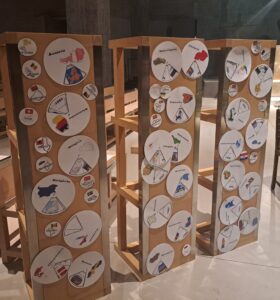
During the service, a symbolic disc was hung for each country named in the prayer: a concrete gesture to represent the spiritual commitment to that nation. A small ritual, full of hope and solidarity, which took shape as the list of countries unfolded.
The evening began with a song from the Russian Orthodox Church and ended with a children’s choir from the Ukrainian Orthodox Church.
A moment that left its mark in the hearts of all participants: it reminded us that shared prayer can become the first step towards a more just and peaceful world.